
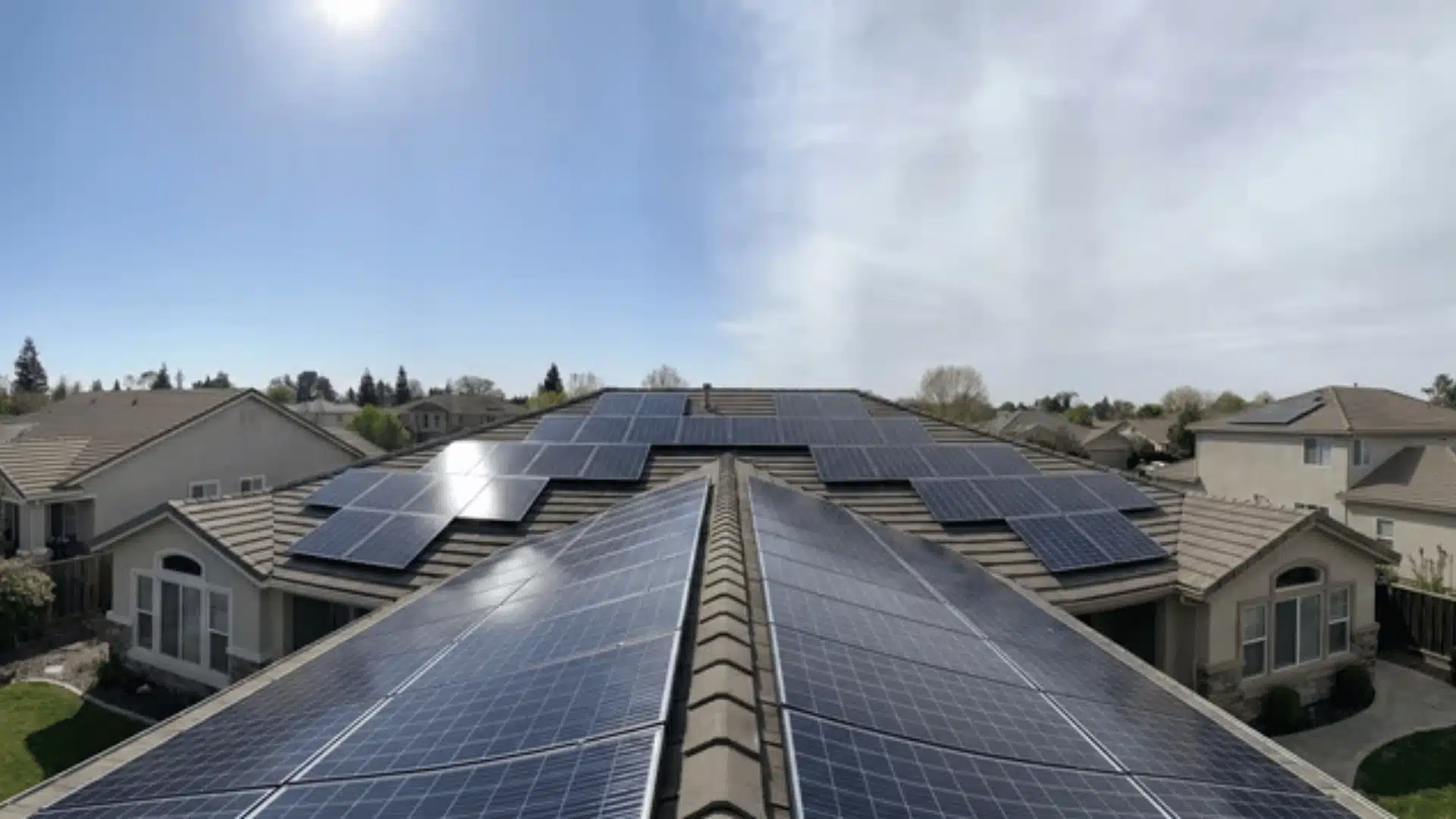

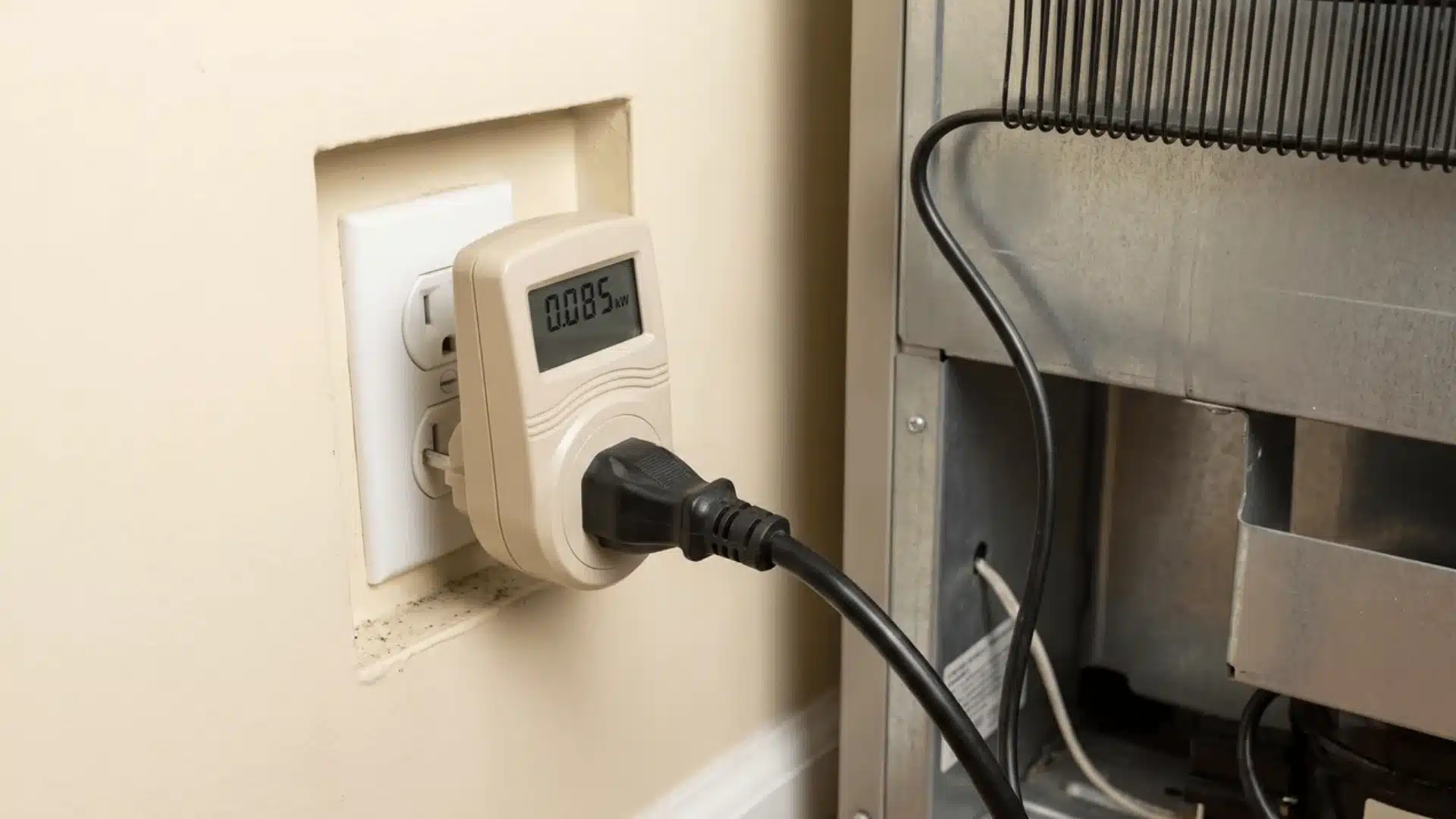
That 400-watt number on every solar panel spec sheet looks straightforward. But reality is different.
A watt rating describes what a panel produces under perfect lab conditions, not what it delivers on a real roof, in real weather, across a real day.
Understanding how solar panel output works means looking beyond the wattage rating. Learn what affects real-world production and how to estimate what a system would generate for a specific home.
What Does a Solar Panel’s Wattage Rating Actually Mean?
Watts measure power, not energy. A panel’s wattage rating tells you how much electricity it can produce at a single moment, under specific lab conditions. It says nothing about how much it will deliver across a day.
That number comes from something called Standard Test Conditions.
Manufacturers test every panel at exactly 1,000 W/m² of sunlight intensity and a cell temperature of 25°C. Hit both at once, and the panel produces its rated output. Miss either one, and it doesn’t.
Here’s the part that trips people up. Sunny days heat panels well above 25°C. And hotter cells are actually less efficient at converting light into electricity. So the days that feel most productive for solar, clear skies, and strong sun are often the same days pushing cell temperatures to 45°C or higher.
That gap between the rated number and real output isn’t a flaw or a surprise. It’s physics, and it’s built into every panel on the market.
Think of the wattage rating as a ceiling. Real-world output is almost always below it.
How Much Energy Does One Solar Panel Produce?
What Are Peak Sun Hours?
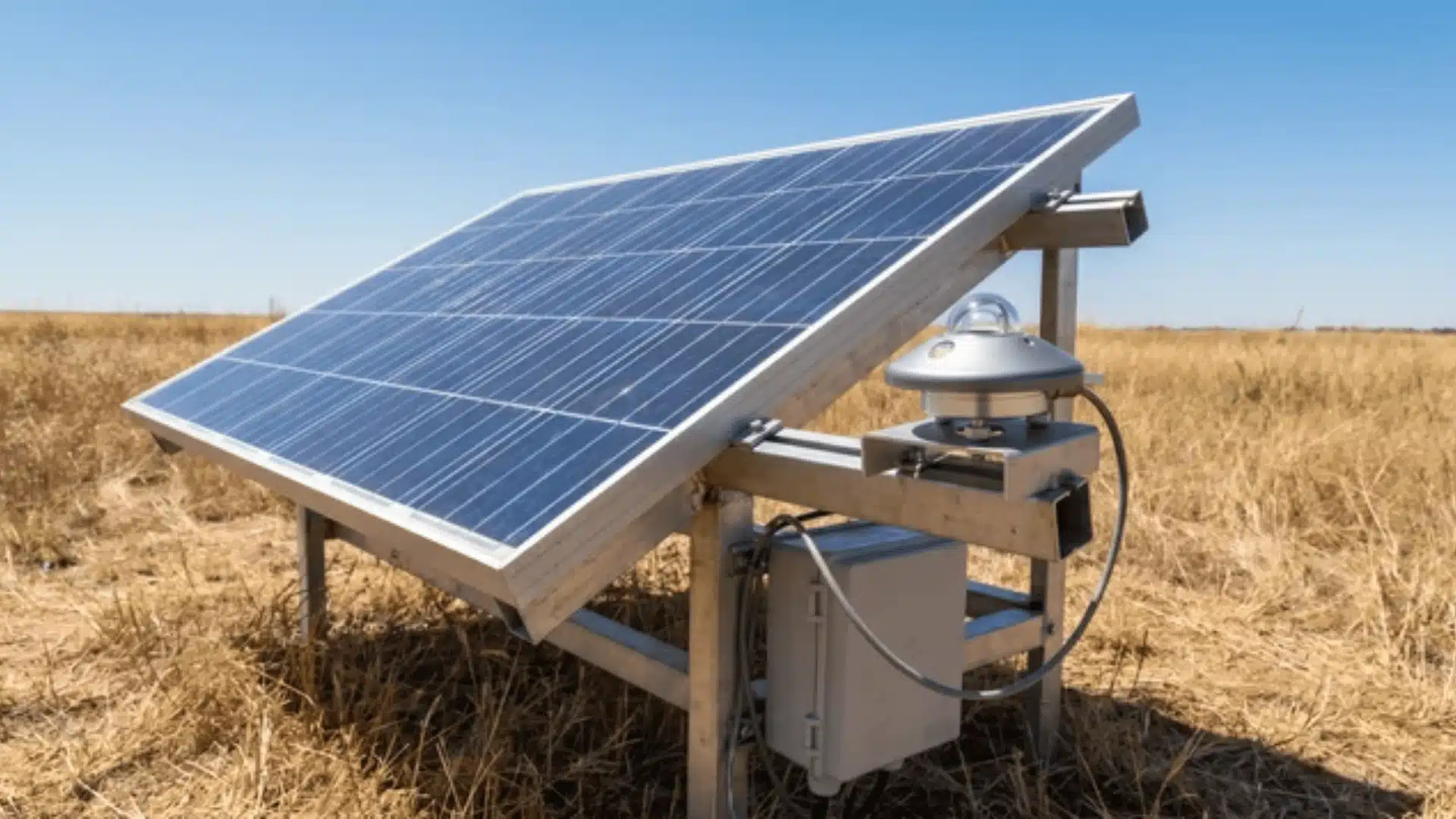
Peak sun hours aren’t the same as daylight hours. A location might get 10 hours of daylight but only 4.5 peak-sun hours because the sun isn’t hitting the panels at full intensity for the whole day.
One peak sun hour equals one hour of sunlight at an intensity of exactly 1,000 W/m². It’s a way of collapsing a full day of varying light into a single usable number.
Phoenix gets around 6.5 peak sun hours per day. Boston gets closer to 3.8. Same panel. Same wattage. Nearly 70% more energy is produced in Phoenix simply because of its location on the map.
The Basic Output Formula
The calculation is straightforward once you have the two numbers.
Panel wattage × peak sun hours = daily watt-hours
Divide that by 1,000 to get kilowatt-hours (kWh), the unit your electricity bill actually uses.
A 400W panel in a location with 4.5 peak sun hours produces 1,800 Wh, or 1.8 kWh, before losses. Real systems lose 10–20% to heat, wiring, and inverter conversion. That brings the realistic daily figure to roughly 1.4–1.6 kWh.
That loss factor matters. Most output estimates you’ll see online skip it entirely.
Does the Highest Watt Solar Panel Solve the Problem?
If output is just wattage times peak sun hours, the fix seems obvious: buy the highest watt solar panel available and let the math do the work.
It’s not that simple. On the commercial side, the highest watt solar panel on the market today is rated around 795W, with lab-tested tandem designs already pushing past 800W.
For homes, the ceiling is much lower; the highest wattage residential panels top out closer to 500W, since anything bigger stops fitting standard roof dimensions.
The bigger issue is what that wattage number actually represents. Much of the jump to a higher watt rating comes from a larger panel, not better technology.
Watts-per-square-meter, the number that actually reflects efficiency, has barely moved industry-wide since 2018. So two panels can carry very different wattage labels while converting sunlight at nearly the same rate, one is just physically bigger.
That means the solar panel on a spec sheet still has to clear the same Standard Test Conditions gap covered above. A bigger number doesn’t buy its way out of heat losses, shading losses, or a mismatched roof.
For most homeowners, matching wattage to available roof space and checking real-world performance under heat matters more than chasing the highest number on the label, which is exactly what the next section gets into.
What Conditions Change How Much Power a Panel Produces?
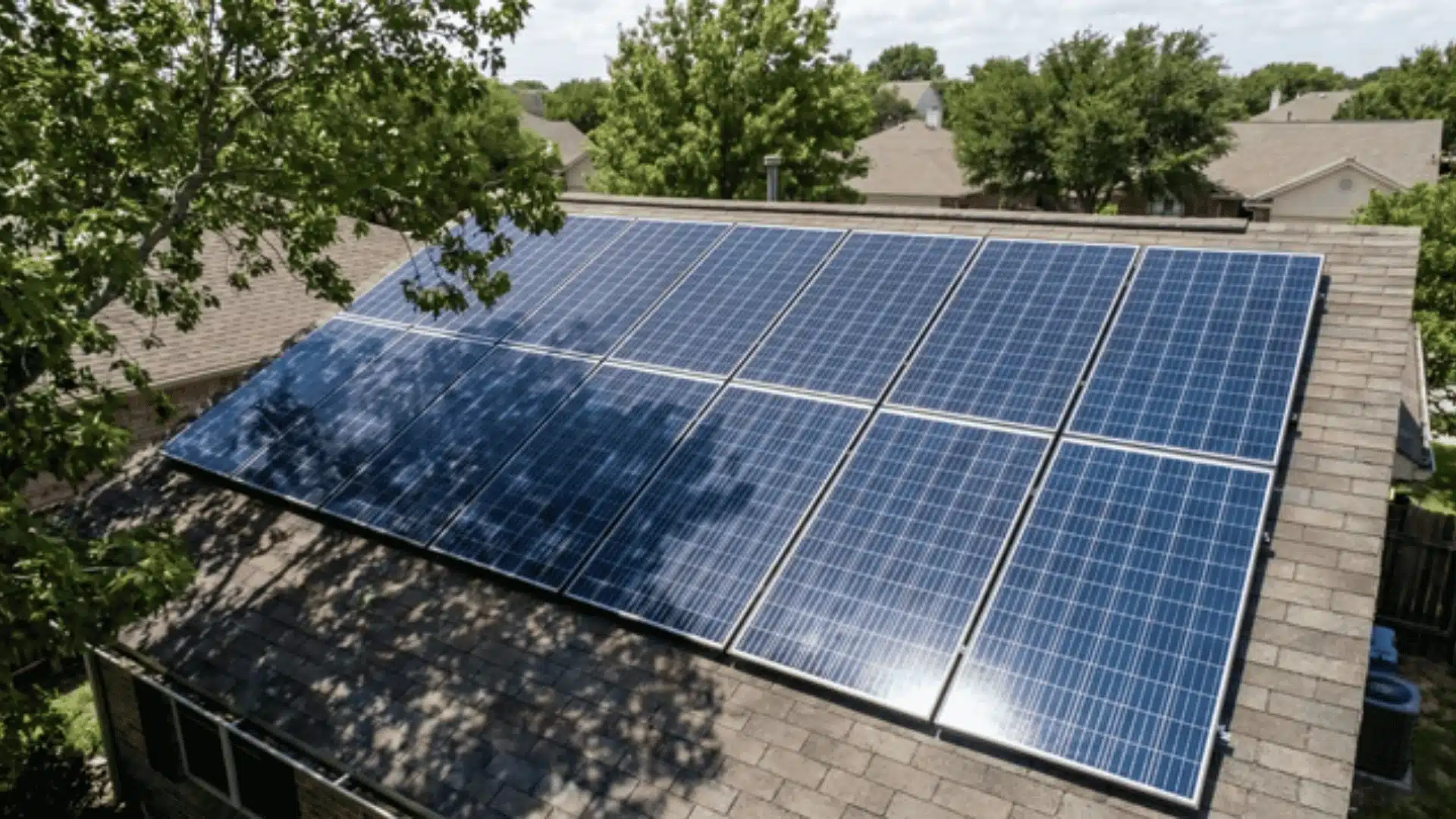
The formula gives you a starting point. These three factors are what move the actual number up or down from there.
Temperature
Heat is the quiet efficiency killer in solar. Most people assume more sun means more output. It does, up to a point.
Every panel has a temperature coefficient, usually around -0.3% to -0.5% per degree Celsius above 25°C. On a hot summer day, a rooftop panel can reach 65°C.
That’s 40 degrees above the test condition, which translates to a 12–20% drop in output on what looks like a perfect solar day. Temperature also changes a panel’s voltage output, not just its power.
Shading and Orientation
Shading does more damage than most installation quotes reflect. In a standard string-wired system, panels are connected in series. One shaded panel raises its electrical resistance. That forces current down across the entire string.
Shade covering 10% of a single panel can reduce the whole-string output by 30% or more. It’s not proportional, and that catches a lot of people off guard.
Orientation shifts when your peak production happens, not just when you get the total. A west-facing roof produces less at midday and more in the afternoon. The daily total may be similar, but the timing changes, which matters if you’re trying to match solar output to when your household actually uses power.
Location and Seasonality
Peak sun hours aren’t fixed. They shift with the seasons. In northern U.S. climates, winter peak sun hours can drop to 2.5–3 per day.
That’s less than half of a summer peak. Annual production estimates smooth this out, but month-to-month output can vary by 40–50% between summer and winter at the same location.
That variation is worth knowing before you size a system.
How Much Power Does a Residential Solar System Produce?
A single panel gives you a baseline. A full system multiplies it, but not always in a straight line.
A 10 kW system with 4.5 peak sun hours produces around 40 kWh per day before losses, or roughly 32–36 kWh after losses.
The average U.S. household uses about 30 kWh per day, so a properly sized 10 kW system covers most or all of that in a moderate-sun location.
What “properly sized” actually means is where people get tripped up. System output scales with panel count, but only if you have the unshaded roof space to support it.
And, it depends on your actual consumption, not your floor plan. A 2,000 sq ft home running electric heat and an EV needs a very different system than one running gas appliances and minimal loads.
The honest starting point is your electricity bill, not your square footage. Pull your annual kWh usage, find your location’s peak sun hours using a tool like PVWatts, and work backward from there. That calculation will get you closer than any rule of thumb.
Conclusion
A panel’s wattage rating is a starting point, not a promise. Real output depends on peak sun hours, temperature, shading, and how well a system is sized for actual consumption, not on floor plans or averages.
That gap between rated and real is the number worth understanding before any other solar decision.
To see what a system would actually produce at a specific address, PVWatts gives a free, location-specific estimate in a few minutes.
Frequently Asked Questions
Does a 400W solar panel produce 400 watts all day?
A 400W panel reaches its rated output only briefly near solar noon under ideal conditions. For the rest of the day, output is lower as the sun’s angle changes. The useful planning figure is daily energy output, typically 1.5 to 2 kWh per day for a 400W panel, not the peak power rating.
How many solar panels does it take to power a house?
Most US households use 10,000 to 12,000 kWh per year. At roughly 500 to 700 kWh of annual output per 400W panel in average sunlight, a typical home needs between 16 and 24 panels. The exact number depends on your location’s peak sun hours and your actual electricity consumption.
How much power does a solar panel produce on a cloudy day?
Panels still produce electricity on cloudy days, typically at 10 to 25 percent of their rated output, depending on cloud density. Diffuse light still reaches the cells; output drops because irradiance is lower, not because solar generation stops entirely.
What is a peak sun hour, and why does it matter?
A peak sun hour is one hour of sunlight at an intensity of 1,000 watts per square meter; the same intensity used in panel ratings. Locations with 5 peak sun hours daily receive more usable energy from the same panel than locations with 3 peak sun hours, even if both have 10 hours of daylight.