

Getting the tilt angle wrong by even a few degrees costs real energy output every single day, and yet the fix is simpler than the overwhelming number of calculators online suggests.
Solar panel angle calculators solve for one variable, but the number they return is only useful if the foundational inputs are right.
Panels on a southeast-facing roof with a perfect tilt still underperform, and that gap almost never appears in the calculator result itself.
Everything needed to get from a zip code to a number you can actually act on is laid out clearly, including what the tools skip.
What Is the Optimal Solar Panel Angle and How Is It Calculated?
The optimal fixed tilt angle for solar panels equals your location’s latitude in degrees. That single number is what every solar calculator, simple or sophisticated, is solving for you.
The reason latitude works is not arbitrary. Earth tilts at 23.5 degrees, so the sun’s path shifts with your distance from the equator. Your latitude matches that geometry directly.
For year-round fixed installations, setting your panels at your latitude angle keeps them perpendicular to the sun’s average position. That perpendicularity is what maximizes energy capture across all seasons.
If you adjust seasonally, the formula shifts slightly. Subtract 15 degrees from your latitude in summer when the sun rides high, and add 15 degrees in winter when it drops lower in the sky.
How to Find Your Solar Panel Angle by Zip Code?
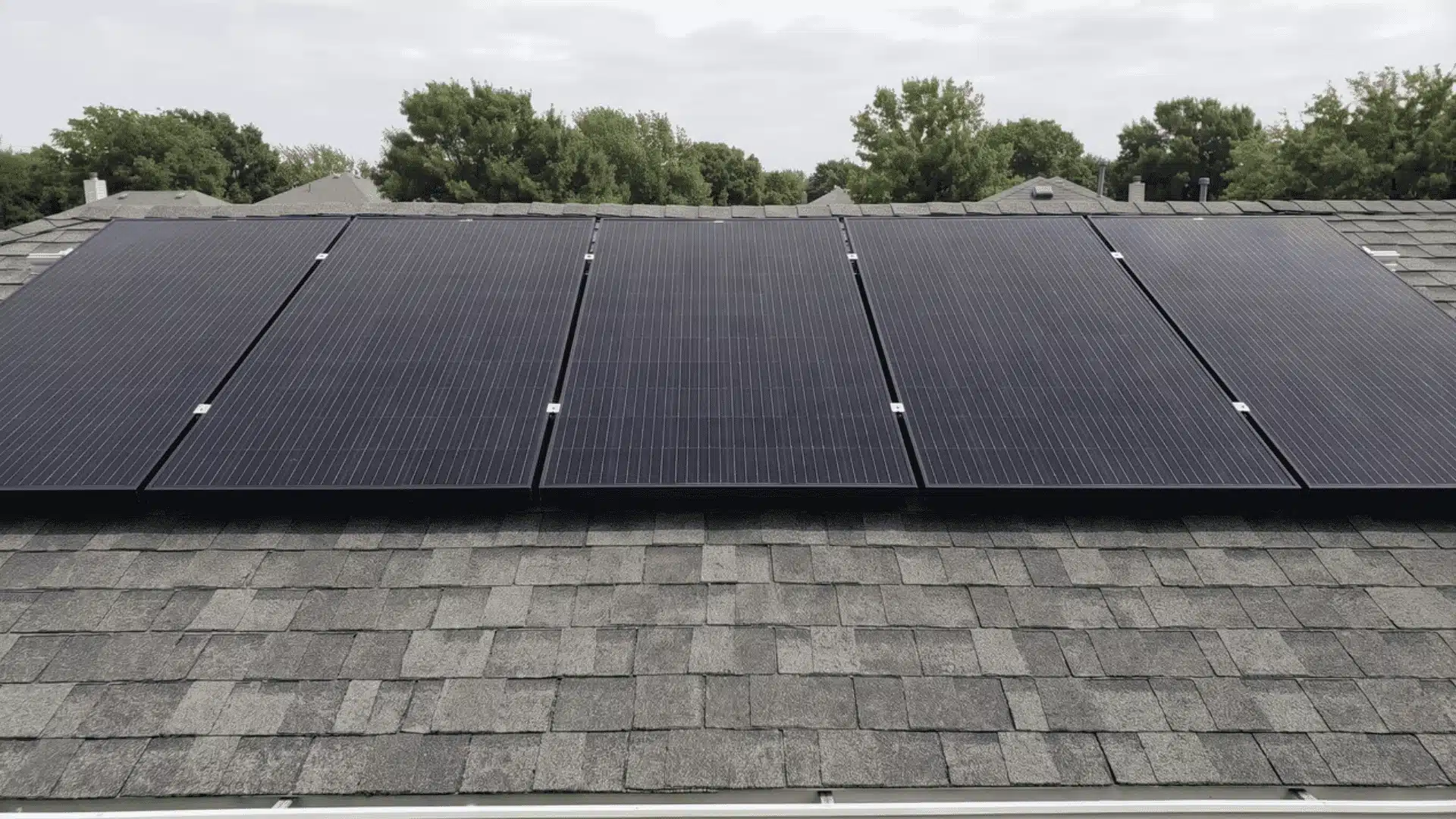
To find your optimal angle by zip code, enter it into a tilt angle calculator, which converts it to latitude and applies the standard formula automatically.
Your zip code works as a location shortcut, but it is not always the most precise input available to you:
- Zip code converts automatically to approximate latitude, good for most residential installs
- Manual latitude entry is more accurate if your property sits near a zip code boundary
- GPS detection pulls your exact coordinates, giving the tightest result in real time
If you want an accurate angle of elevation calculator, the NOAA Solar Position Calculator returns your solar noon elevation angle, which is the sun’s peak height above the horizon on any given day.
| Input Method | Accuracy Level | Best For |
|---|---|---|
| Zip Code | Good | Quick estimates |
| Manual Latitude | Better | Boundary locations |
| GPS Coordinates | Best | Precision installs |
| NOAA Calculator | Authoritative | Solar noon elevation |
Which Calculator Inputs Actually Affect Your Result?
Not every field in a solar calculator carries equal weight. Here is what actually moves your angle recommendation:
- Latitude is the core variable, everything adjusts around it
- Date or season shifts output angle by up to 15 degrees
- Hemisphere flips your facing direction, north versus south entirely
One detail most calculators skip: a panel tilted just 5 degrees off optimal loses roughly 1 to 2 percent of annual output, compounding significantly over a 25 year system lifespan.
Getting your input method right matters more than which calculator you choose, because accurate location data is what drives a reliable angle recommendation every single time. That’s also why the solar panel tilt angle depends on more than latitude alone.
Does Panel Orientation (Azimuth) Change the Angle You Need?
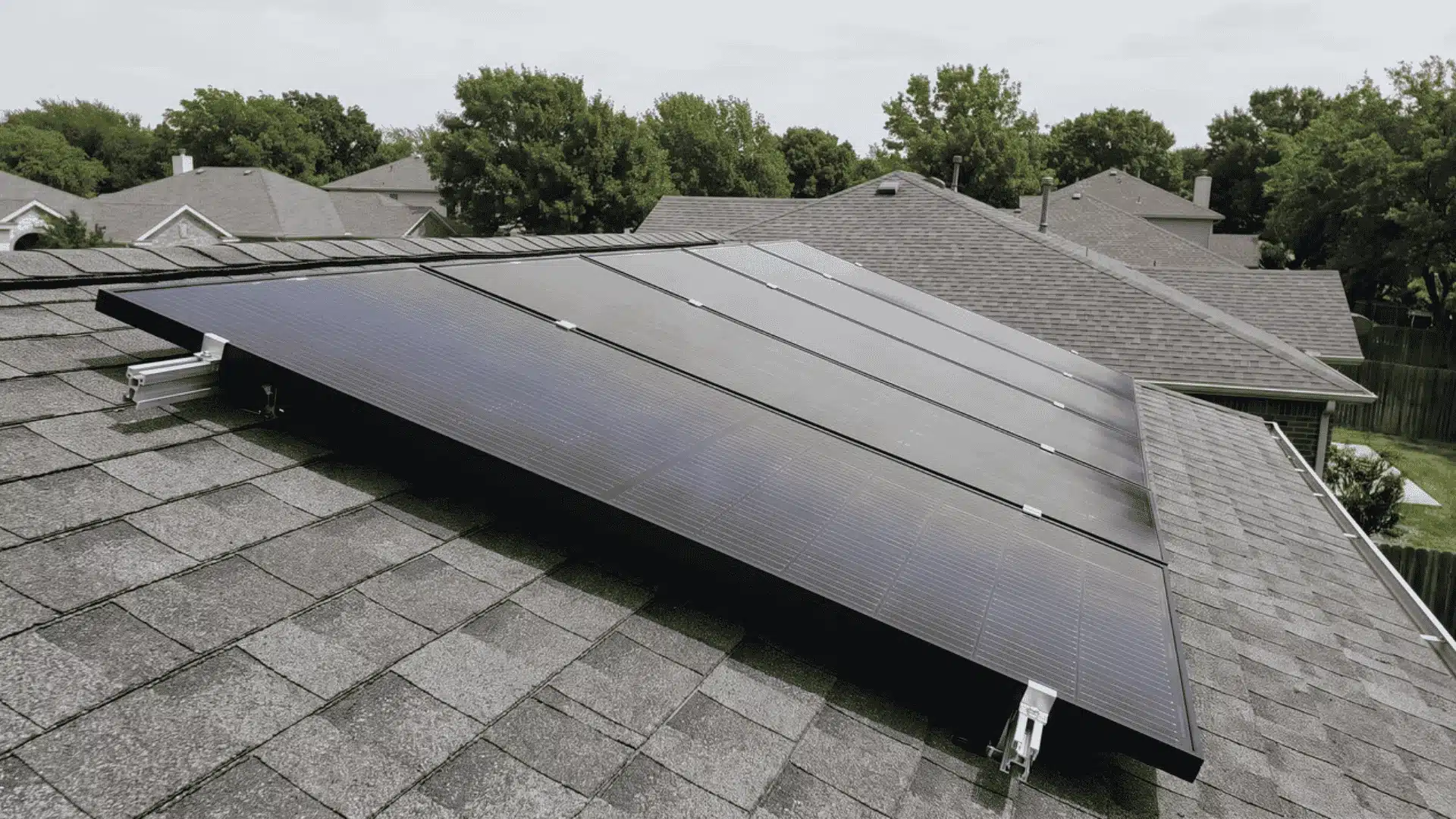
Tilt angle controls how steeply your panels face the sky; azimuth controls which compass direction they face, and both must be correct for your setup to perform.
These are two independent variables that work together, and getting one right while ignoring the other leaves real output on the table:
- Tilt angle measures the steepness of your panels upward from horizontal, matched to your latitude
- Azimuth measures left and right compass direction, ideally 180 degrees, which is true south in the northern hemisphere
- Both together determine whether incoming sunlight actually hits your panels at the right angle
Deviating more than 15 to 20 degrees from true south starts eroding the value of your carefully calculated tilt angle noticeably.
Here is the reframe that’s often missed entirely:
- A correctly tilted panel facing southeast loses more output to azimuth error than to a slightly wrong tilt
- Azimuth error is harder to spot because your panels still generate power, just not at full potential
- Most online calculators optimize tilt without flagging whether your roof faces the right direction at all
Think of tilt and azimuth as two dials on the same system. Tuning one perfectly while ignoring the other means you are only halfway optimized, and your output numbers will quietly reflect that gap every single day.
When Should You Adjust Your Angle Seasonally Versus Use a Fixed Tilt?
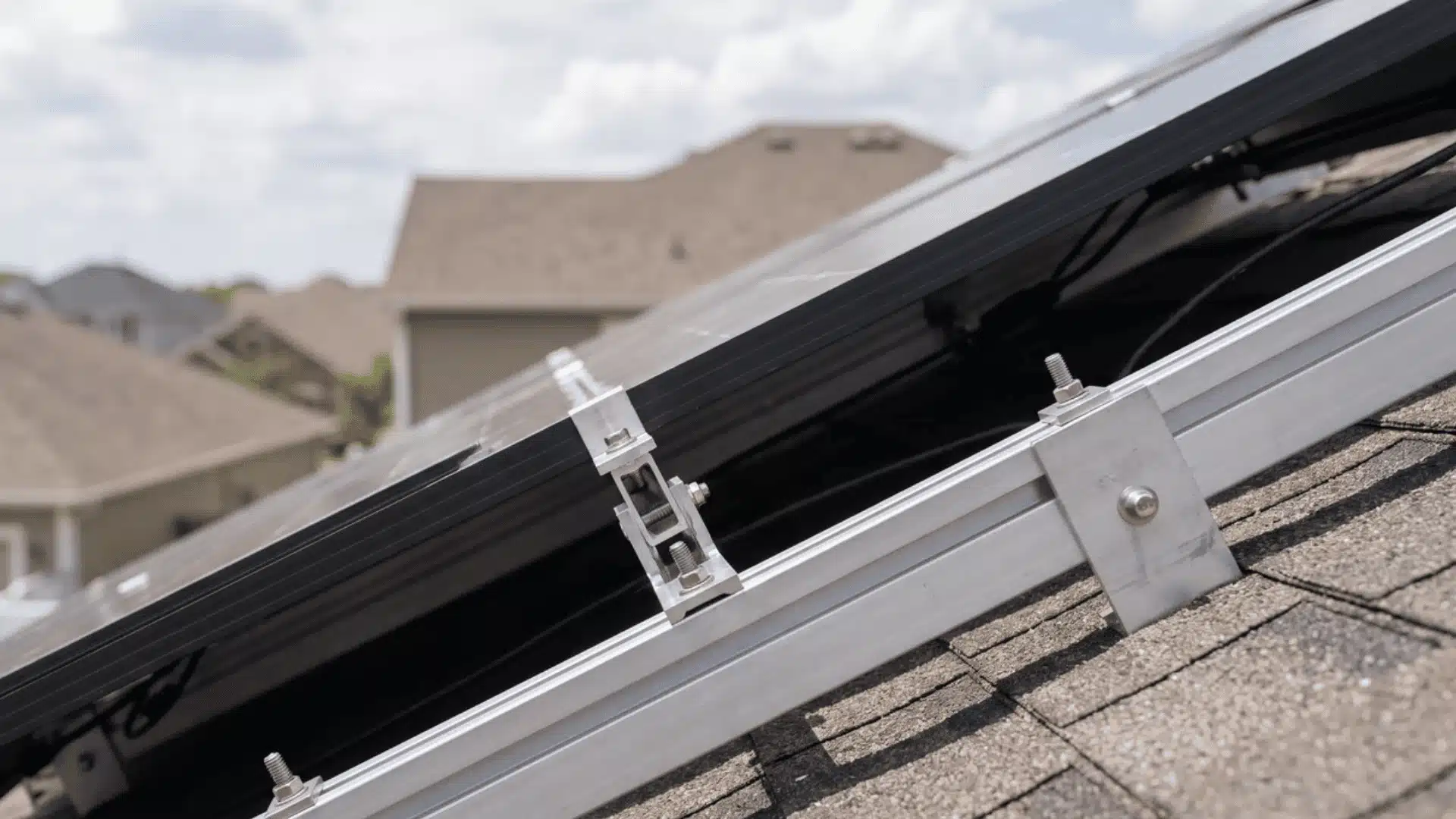
For most installations, a fixed tilt set to your latitude captures nearly all available output, and seasonal adjustment adds marginal gain except at high latitudes or off-grid systems.
A fixed tilt is not a compromise, it is genuinely the right call for most homeowners, and here is exactly why:
- Fixed tilt at latitude captures 95 to 98 percent of output achievable with twice-yearly seasonal adjustment across most US latitudes
- Latitudes above 50 degrees see larger seasonal sun shifts, making adjustment more worthwhile than at lower latitudes
- Off-grid systems sized for winter loads benefit more from seasonal tilting since winter output is their critical constraint
Twice-yearly adjustment follows a simple rhythm, but even that has a ceiling on what it returns:
- Summer position subtracts 15 degrees from your latitude, catching the higher sun path efficiently
- Winter position adds 15 degrees to your latitude, compensating for the lower sun angle
- Monthly adjustment produces diminishing returns that almost never justify the time and physical effort involved
| Adjustment Frequency | Output Gain | Worth It? |
|---|---|---|
| Fixed at latitude | Baseline 95-98% | Yes, for most installs |
| Twice yearly | Plus 2-5% | Yes, at high latitudes |
| Monthly | Plus 0.5-1% | Rarely justified |
| Solar tracking | Maximum possible | Only for large systems |
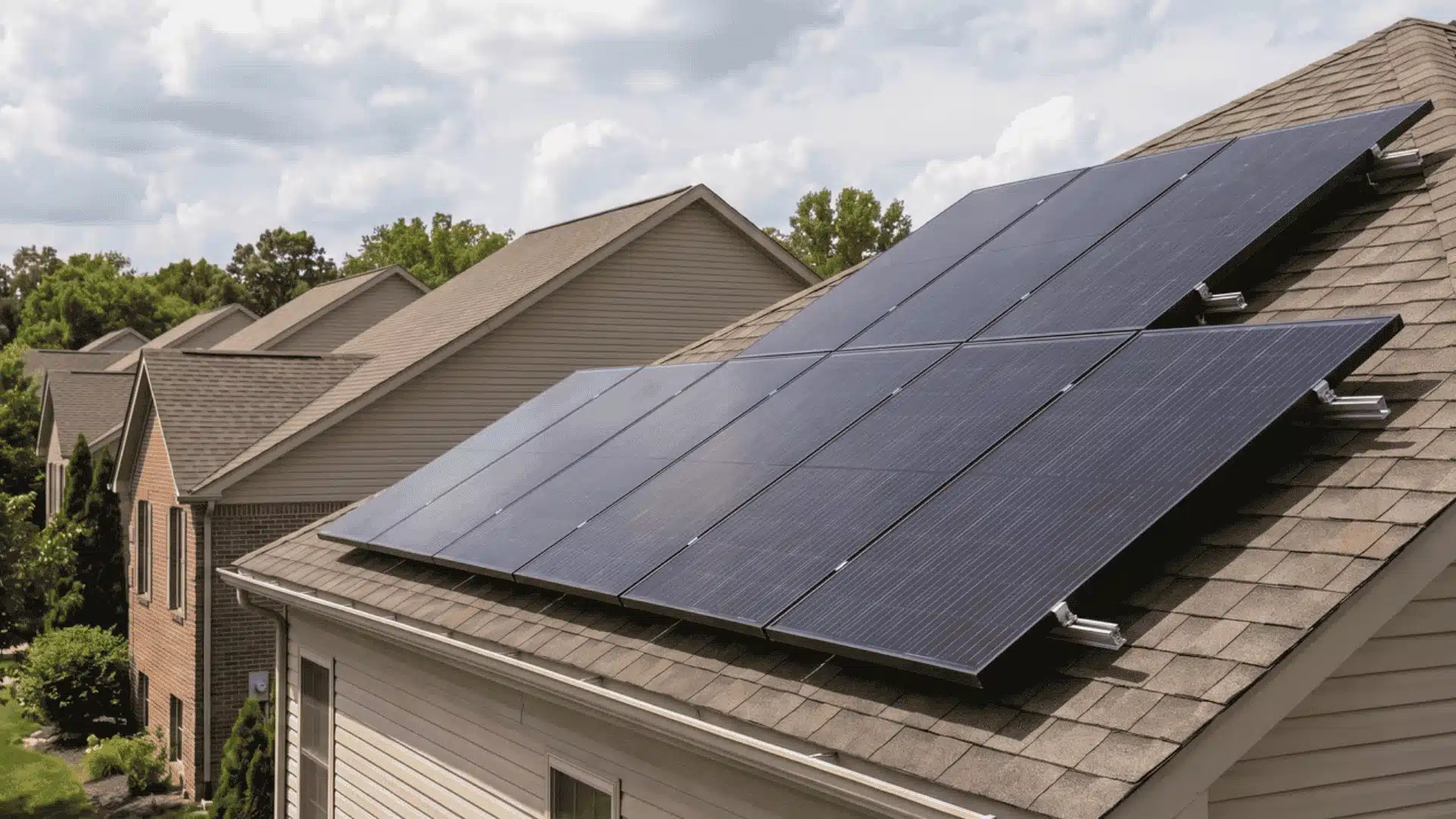
- Fixed roof pitch installs where panels lie flat on a sloped roof carry larger losses than seasonal tilting ever would
- A roof pitched at 18 degrees in a 35 degree latitude zone is already 17 degrees off optimal, a more urgent fix
- Correcting roof pitch alignment through racking delivers more return than any seasonal adjustment schedule could
The decision that actually moves your numbers is not whether to adjust seasonally, it is whether your fixed angle is close enough to your latitude to make the rest of this worth doing at all.
Conclusion
Chasing the perfect tilt angle is less important than understanding which variables are actually driving your system’s output every single day.
Latitude sets your tilt, azimuth sets your facing, and a fixed installation captures far more than expected without any seasonal adjustment at all.
The costliest mistake is not a few degrees off on tilt, it is a misaligned roof face quietly bleeding output across a 25-year system lifespan.
Run your zip code, verify your azimuth, and if your roof pitch sits far from your latitude figure, adjustable racking is where the real return lives.
Frequently Asked Questions
What is the best solar panel angle for my zip code?
Enter your zip code into a solar panel tilt calculator, it converts your zip to a latitude and returns your optimal angle. As a manual check: your best fixed angle equals your latitude in degrees. For a zip code in the 35° latitude range, that means roughly a 35° tilt facing true south.
What is the angle of elevation for solar panels?
The angle of elevation is the tilt of your panels measured upward from horizontal. It is the same as the tilt angle and should equal your local latitude for a year-round fixed installation. It is distinct from azimuth, which measures left-right compass direction.
Does roof pitch affect the optimal solar panel angle?
Yes. If panels are mounted flush to a roof, the roof pitch becomes the panel tilt. A typical US roof pitch of 4:12 equals roughly 18° often lower than the latitude-based optimum. Adjustable racking can correct this, though the output penalty for a 10–15° deviation is typically 3–6% annually.
How much output do I lose with the wrong panel angle?
A tilt angle 15° off optimal typically reduces annual output by 3–7% depending on latitude and season. Errors in azimuth (compass direction) carry a similar or larger penalty. A 5° deviation from optimal tilt costs roughly 1–2% usually not worth adjusting if racking is already fixed.