

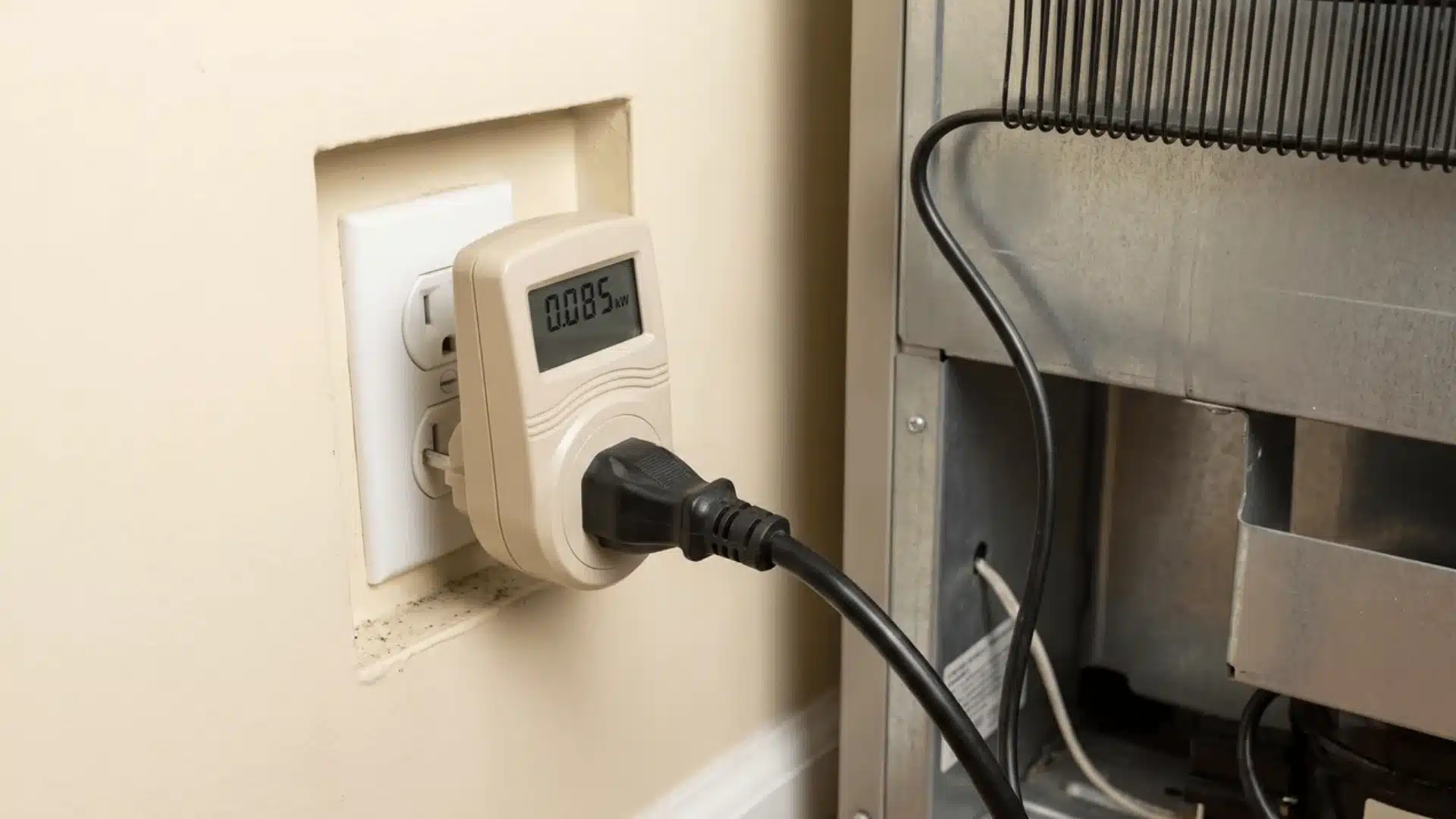
Solar panel costs in New Jersey vary more than most estimates suggest, and they depend on your home’s energy use, roof design, installer, and equipment rather than a single statewide average.
Two quotes for identical systems on different roofs can differ by thousands of dollars. Labor costs vary by region, roof complexity adds time, and panel quality spans a wide spectrum.
System size estimates vary across sources for the same reason. A smaller home with modest electricity use lands at one end. A larger home with high consumption lands somewhere else entirely.
The figures here are all pre-incentive. New Jersey has programs that meaningfully reduce these numbers, and they are covered separately once the baseline cost is established.
How Much Does the Cost of Solar Panels in NJ Really Come To?
Solar installation cost for New Jersey homeowners includes panels, labor, permits, and equipment. Larger systems cost more in total but less per watt, because fixed costs like permitting and crew mobilization stay flat regardless of system size.
| System Size | Typical Pre-Incentive Cost | Approx. Cost Per Watt |
|---|---|---|
| 6 kW | $15,000 – $21,000 | $2.50 – $3.50 |
| 8 kW | $20,000 – $28,000 | $2.50 – $3.50 |
| 10 kW | $25,000 – $31,000 | $2.50 – $3.10 |
| 12 kW | $30,000 – $37,000 | $2.50 – $3.08 |
A competitive installed quote in New Jersey should land between $2.50 and $3.00 per watt for most standard residential systems. Quotes above $3.25 per watt are worth questioning unless your roof complexity or panel tier justifies it.
Per-watt price is the most reliable comparison point across quotes because it normalizes for system size differences.
Two solar installation cost New Jersey quotes, can show identical system sizes and still differ by several thousand dollars.
The difference usually comes down to panel tier, inverter type, installer overhead, and how much margin the company builds into its standard pricing. None of those variables are visible in a single headline number.
What Drives Your System Size Recommendation?
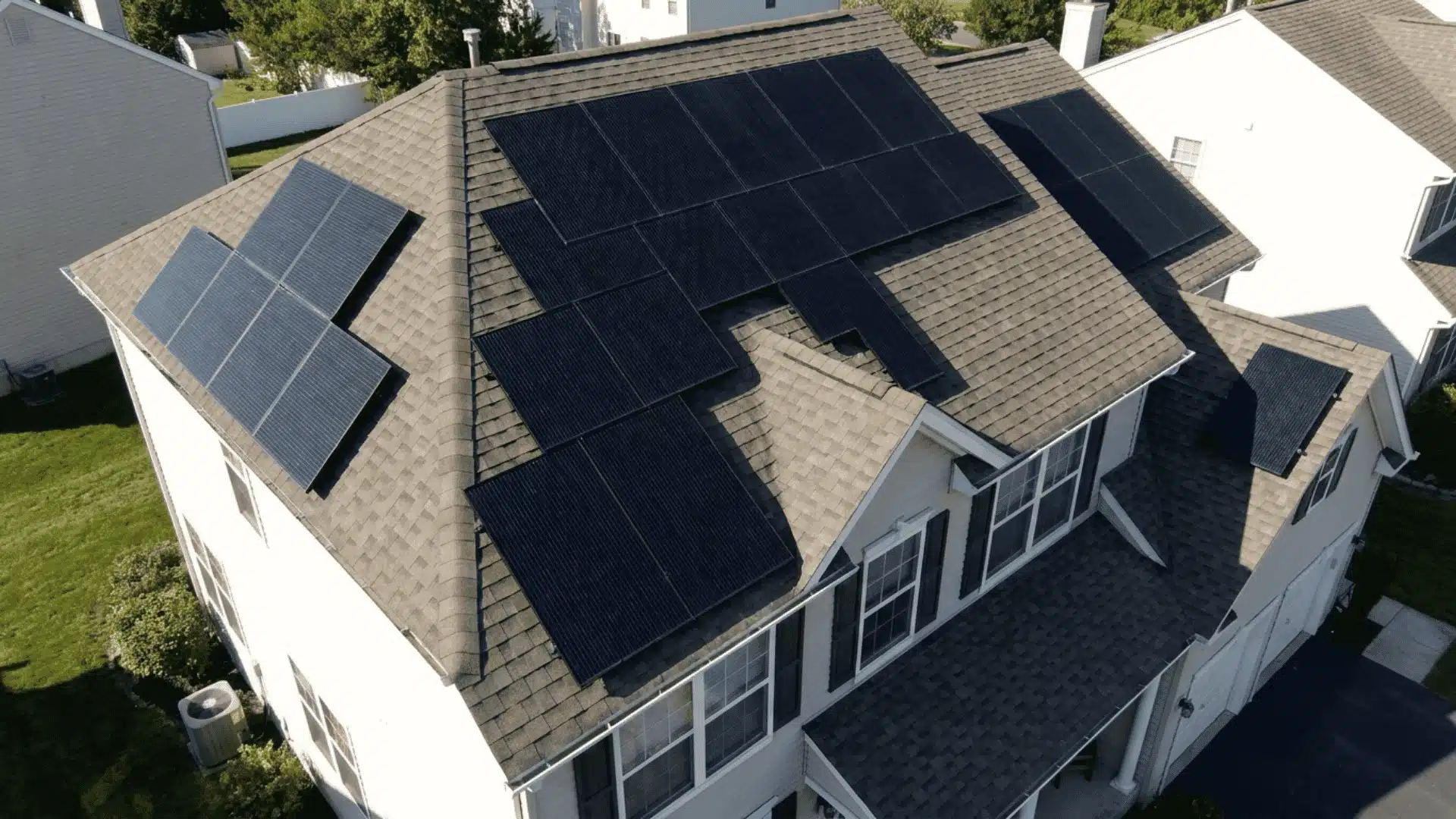
Installers size systems against two constraints that exist on every property. Your annual electricity consumption sets the floor, the minimum production needed to offset your bill meaningfully. Your roof sets the ceiling, the maximum usable space after accounting for orientation, obstructions, and shading.
New Jersey homeowners average around 700 to 900 kWh per month in electricity consumption. That range typically points toward an 8 to 10 kW system under New Jersey sun conditions, which average around 4.2 peak sun hours per day.
Homes with electric vehicles, heat pumps, or electric water heaters sit toward the higher end of that range and often need more capacity than the baseline calculation suggests. These four factors determine where between those two constraints your system lands:
| Factor | What It Affects |
|---|---|
| Annual electricity usage | Minimum system size needed to offset your bill |
| Usable roof space | Maximum panels the roof can physically accommodate |
| Roof orientation | South-facing roofs capture significantly more annual production than east or west |
| Shading from trees or structures | Reduces effective output and may limit viable system size regardless of roof area |
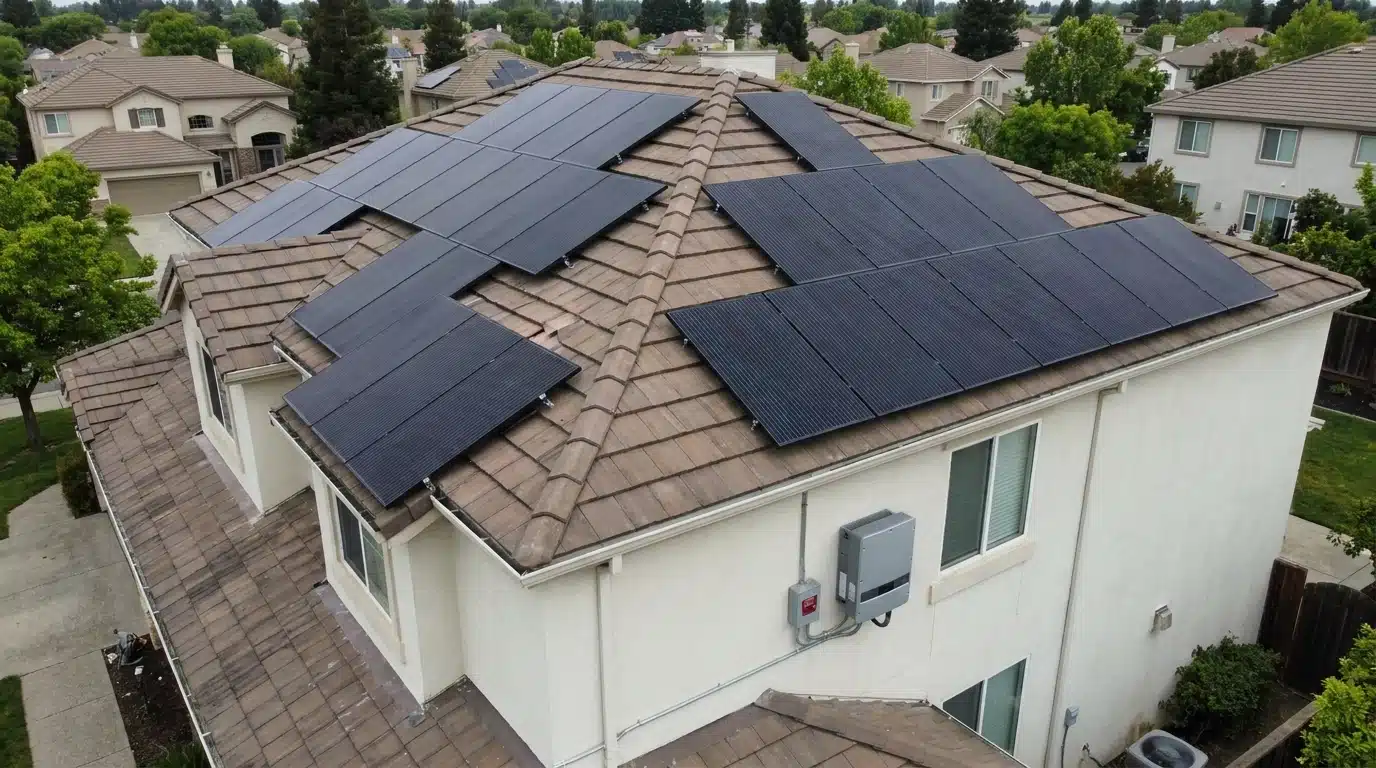
Roof orientation matters more than most homeowners expect going into the process. A south-facing roof at the right pitch can outperform a larger east or west-facing system in total annual production, even with fewer panels installed.
The direction your roof faces influences not just how much energy your system produces but when during the day it peaks, which affects how well your production aligns with your consumption pattern.
A south-facing roof with no shade can support a larger system and justify the investment. A partially shaded or east-west roof may cap out at a smaller size even when consumption argues for more panels. Some homes with challenging roofs are better served by ground-mounted systems, which carry additional installation cost but remove the roof constraint entirely.
What the Per-Watt Price Actually Includes
Per-watt pricing is the most useful number for comparing quotes, but what sits inside that number varies between installers and is worth understanding before you sign anything.
- Panels represent roughly 25 to 30% of total installed cost. Tier-one panels from established manufacturers cost more upfront and carry stronger long-term performance warranties than budget alternatives.
- Inverter accounts for around 10 to 15% of total cost. String inverters cost less and perform well on unobstructed roofs. Microinverters optimize each panel independently and are worth the premium when shading is a factor.
- Labor and installation typically represents 25 to 35% of total cost in New Jersey, higher than national averages because of the state’s prevailing wage rates in certain counties.
- Permits and interconnection fees add a fixed cost regardless of system size, typically running between $500 and $1,500 depending on municipality and utility requirements.
- Installer overhead and margin makes up the remainder and is the most variable component across quotes. Large national installers carry higher overhead than lean regional operators, which shows up directly in the per-watt price.
Understanding what each line contributes means a quote that looks cheaper may simply be using lower-tier panels or a less suitable inverter type. Normalize for system size, panel brand, and inverter type before treating price as the deciding variable.
Which NJ Solar Incentives Actually Apply to You?
New Jersey homeowners can access three main incentives: SREC-II certificates, a sales tax exemption, and a property tax exemption. Whether you can claim a federal credit depends on how you’re paying for the system.
A lot of what’s still online about NJ solar incentives is out of date. Some results still indicate a 30% federal tax credit for purchased systems. That’s no longer accurate.
Building a budget around money you won’t actually see is a painful way to find that out. Here’s what’s actually available right now.
NJ SREC-II: How It Works and What It Pays
SREC-II is the biggest ongoing incentive for NJ homeowners who own their system outright. Every time your panels produce one megawatt-hour of electricity, you earn one Solar Renewable Energy Certificate.
You then sell that certificate on New Jersey’s state energy market to utility companies legally required to source part of their power from solar. That makes it a recurring income stream, not a one-time rebate. As long as your system keeps producing and the program keeps running, you keep earning.
A couple of things worth knowing before you factor SREC income into your budget:
- Market rates for certificates shift over time, so any specific dollar figure you read online may already be outdated.
- Always verify current rates before building them into your financial projections.
SREC-II won’t make you rich overnight, but it’s the only NJ incentive that keeps paying you back year after year.
Sales Tax and Property Tax Exemptions
These two incentives are smaller individually, but they add up to real money.
- Sales tax exemption: New Jersey waives its 6.625% sales tax on solar panels and installation equipment. On a $25,000 system, that’s more than $1,600 you simply don’t pay at purchase.
- Property tax exemption: Solar can increase your home’s value, but that added value is excluded from your property tax assessment. Your annual tax bill won’t go up because you installed panels. This kicks in at assessment, not when you sell the home.
What About the Federal Tax Credit?
The federal Residential Clean Energy Credit has expired for homeowners who buy or finance a system with cash or a loan. If you’ve seen the 30% ITC mentioned elsewhere, those articles haven’t been updated.
Leasing is different. Companies that own the system may still apply the credit on their end and pass some savings to you through a lower monthly payment. You don’t receive the credit directly. They do.
Tax rules shift. Check current federal policy before filing anything and don’t rely on what was true two or three years ago. When in doubt, ask your installer and a tax professional, not a solar blog written before the rules changed.
Buying vs. Leasing Solar in NJ: What Changes?
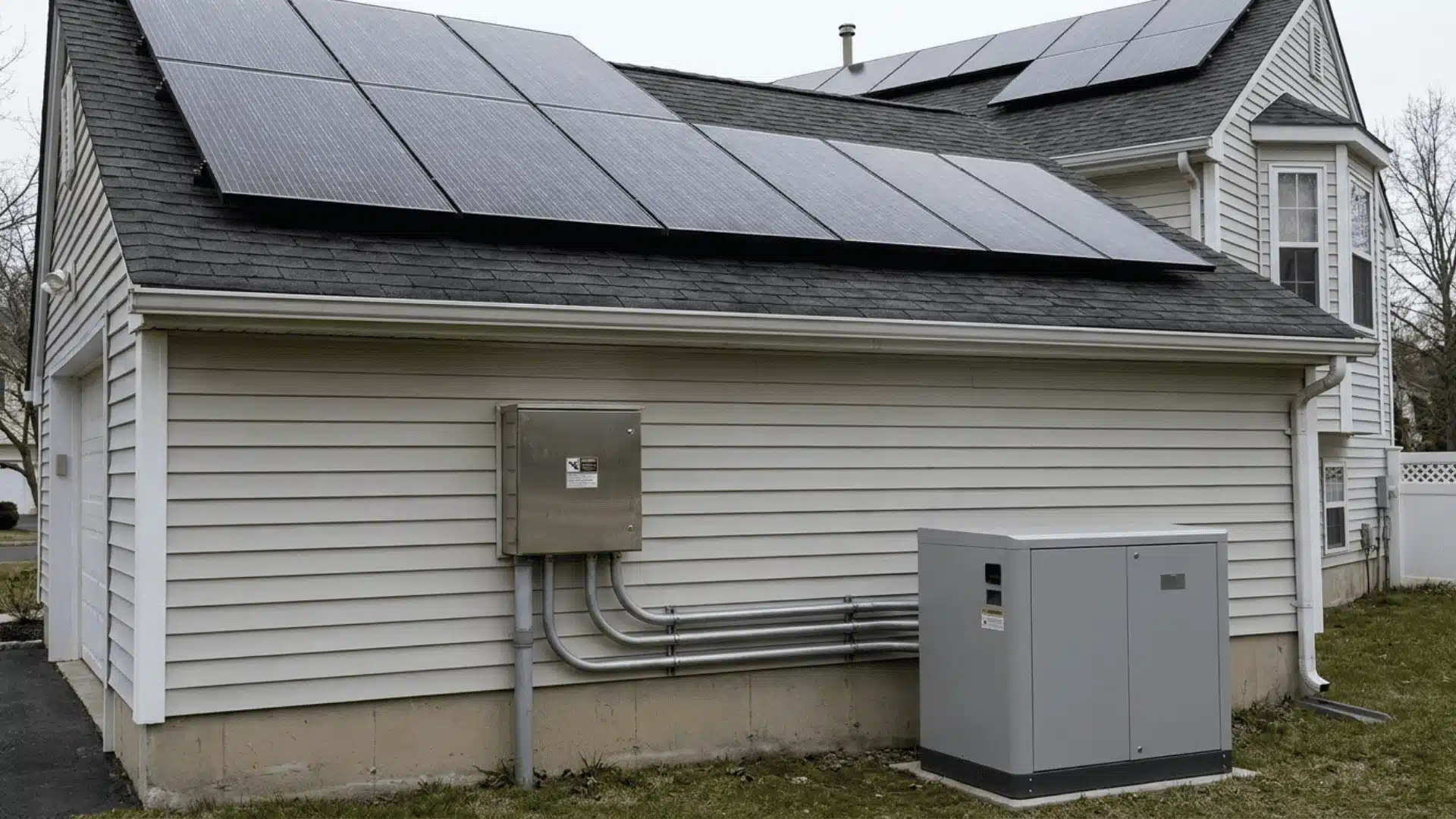
Buying and leasing solar don’t just have different upfront costs, they give you access to completely different incentives, and that gap matters more than most comparisons let on.
| Buying (Cash or Loan) | Leasing | |
|---|---|---|
| Upfront Cost | Yes, varies by system size | None |
| SREC-II Income | Yours to earn and sell | Goes to the leasing company |
| Sales Tax Exemption | Applies to you | Applies to the leasing company |
| Property Tax Exemption | Applies to you | Not relevant, you don’t own the system |
| Federal Credit | Expired for purchase/loan buyers | Leasing company may still claim it |
| Home Value | System adds value to your home | No impact, you don’t own it |
| Payback Period | 7–10 years, then pure savings | No payback period, ongoing monthly fee |
| Long-Term Value | High, incentives compound over time | Lower, savings are fixed to your bill reduction |
Leasing means no payback period, there’s no investment to recover. You pay a monthly fee for lower bills, nothing more. Neither path is wrong. But if you want the full value of NJ’s incentives, ownership is where that value lives.
Wrapping Up
Solar panels can be a smart financial move, but the cost of solar panels in NJ depends heavily on the decisions you make upfront.
System size, ownership structure, and which incentives you actually qualify for all shift the final number in ways that a single average can’t capture. The state’s incentives are real and ongoing, particularly SREC-II, which keeps paying long after installation.
The federal credit picture has changed, and leasing isn’t the equivalent of buying, even when the monthly cost looks attractive. Go in with accurate numbers, not outdated ones.
If you’re ready to take the next step, get quotes from at least three local NJ installers and compare them side by side.
Frequently Asked Questions
Is it worth getting solar in NJ?
For most homeowners who own their system, yes. NJ’s SREC-II program adds ongoing income on top of electricity savings. The payback period typically runs seven to ten years, after which the savings are yours outright.
How much is a solar system for a 2,000 sq ft house?
A 2,000 square foot home typically needs a 6 to 8 kW system in NJ. That puts the pre-incentive cost between $15,000 and $28,000 depending on your energy use, roof conditions, and installer pricing.
What is the 20% rule for solar panels?
The 20% rule suggests your solar system shouldn’t offset more than 120% of your annual energy use. Oversizing beyond that can reduce financial returns and may affect utility compensation for excess power sent back to the grid.
Why is my electric bill still high in NJ with solar panels?
Solar offsets what your panels produce, not your total usage. If your consumption has gone up, or your system is undersized for your home, the gap shows up on your bill. Shading and panel degradation can also reduce output over time.