


Choosing solar panels can get confusing fast. Every brand seems to promise better efficiency, longer life, and bigger savings, which makes it difficult to know what actually matters when you’re trying to find the best solar panels for your home.
I prefer comparing panels based on the numbers that affect real performance rather than relying on marketing claims. The top rated solar panels stand out through strong efficiency, low degradation, reliable heat performance, and solid warranty coverage.
Your roof size, climate, budget, and available installation space also influence which option makes the most sense, since panel dimensions and space requirements vary more than most buyers expect.
You will see how leading solar panels compare, which brands suit different situations, and what specifications you should check carefully before accepting an installer quote.
What Makes a Solar Panel Top Rated?
Three numbers decide whether a panel earns a top rating: efficiency, degradation rate, and temperature coefficient.
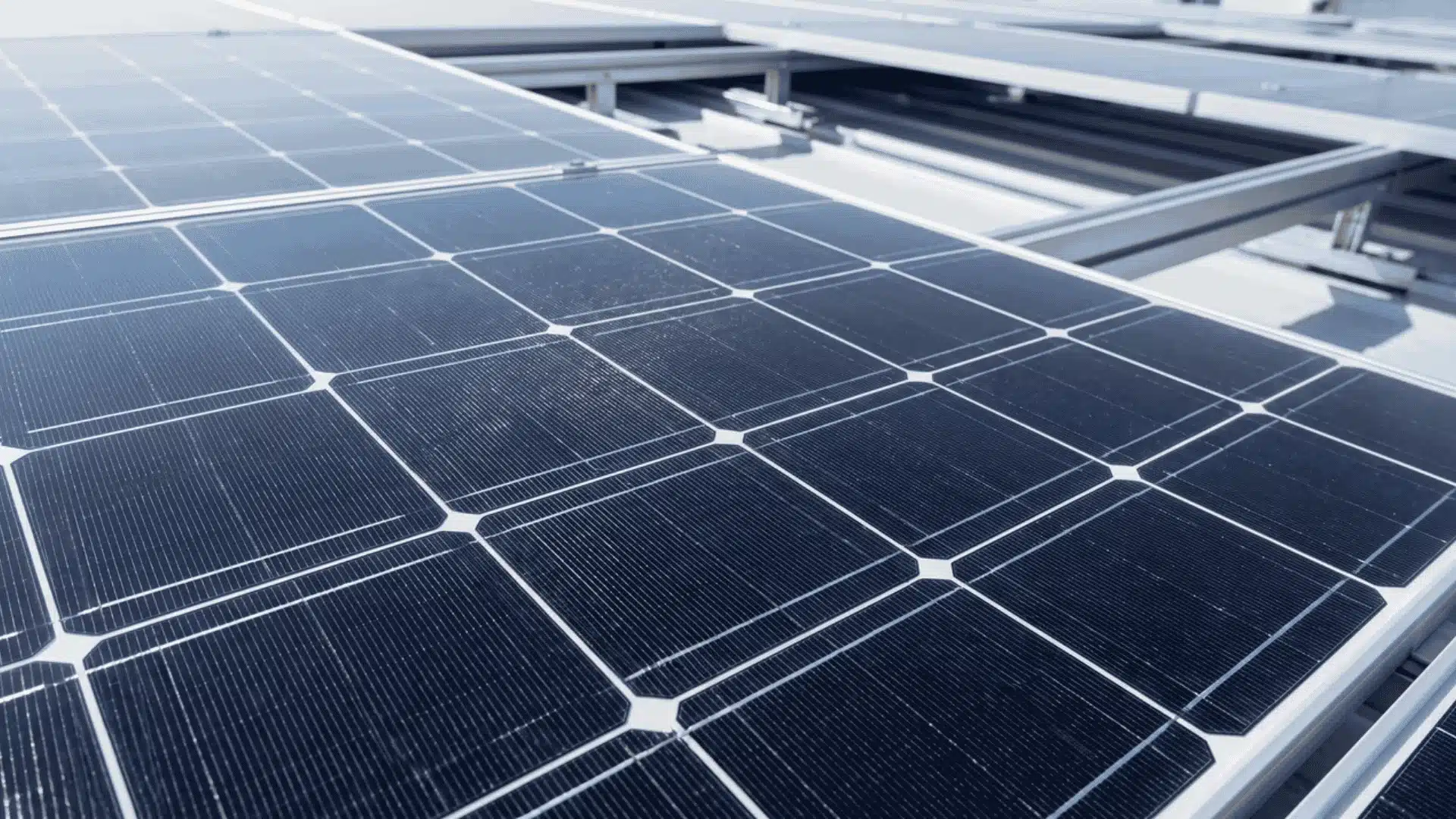
Efficiency shows how much sunlight becomes electricity. Most residential panels convert between 21% and 23% of the sunlight that reaches them.
Degradation rate shows how much power a panel loses every year. The best panels lose only about a quarter of a percent annually. Temperature coefficient shows how a panel handles heat. A hot roof can quietly cut your output even on a clear day.
A panel that scores well on all three keeps producing close to its original output after 25 years, in line with typical panel lifespan expectations. A panel that only wins on one number often falls behind within a decade.
The Top Rated Solar Panels Right Now
Each brand below suits a different combination of roof space, climate, budget, and installer availability. These are among the best solar panel brands on the market today, but compare the exact model offered because specifications can vary within the same product family.
1. Maxeon 6: Best for Maximum Efficiency
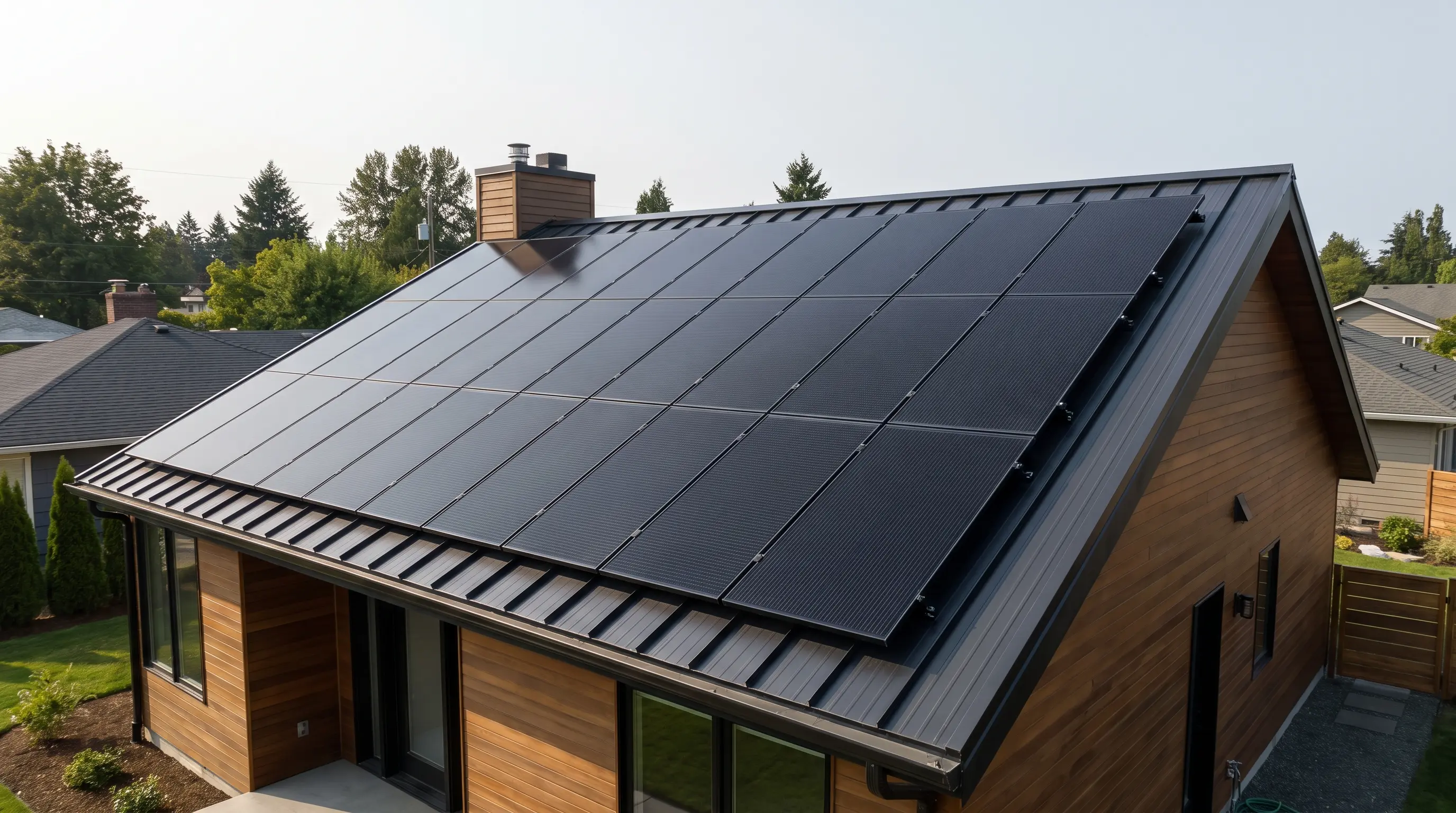
Maxeon 6 fits homes where limited roof space makes every panel position valuable. Its durable construction also supports homeowners planning to remain in their property long term.
The higher upfront cost may not provide enough value on a large, unobstructed roof. Consider it when maximum production matters more than achieving the lowest installation price.
- Efficiency: Up to 22.8%
- Degradation: About 0.25% yearly
- Warranty: 40-year product and power coverage
2. REC Alpha Pure RX: Best for Hot Climates
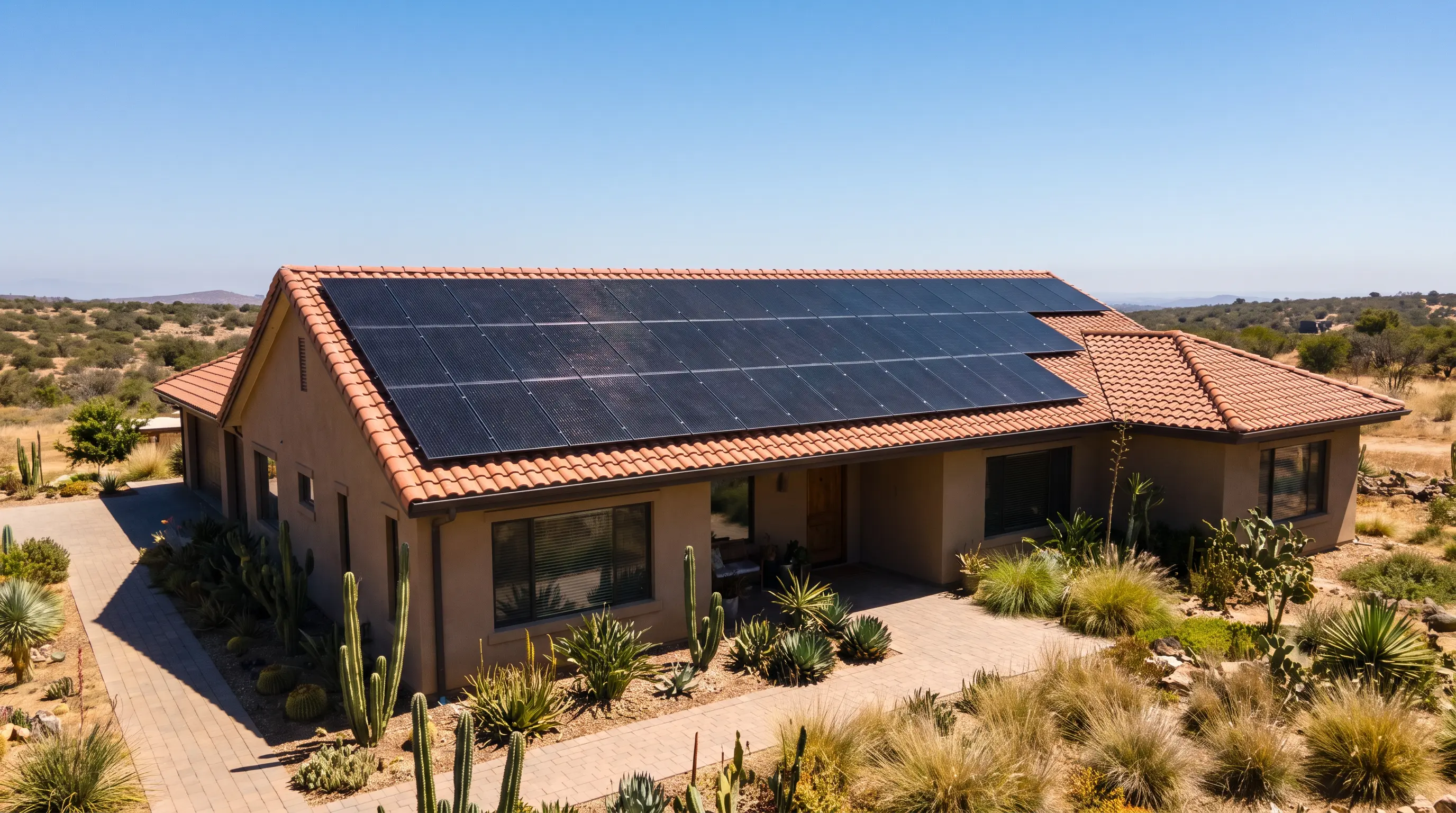
REC Alpha Pure RX performs well on roofs exposed to long periods of high heat. Its all-black appearance also creates a cleaner look on visible roof sections.
It offers a strong alternative for buyers who want premium performance without choosing Maxeon. Homeowners in cooler regions may gain less value from its heat-focused advantage.
- Efficiency: Up to 22.6%
- Degradation: About 0.25% yearly
- Warranty: 25-year product and power coverage
3. Qcells Q. PEAK DUO: Best for Availability
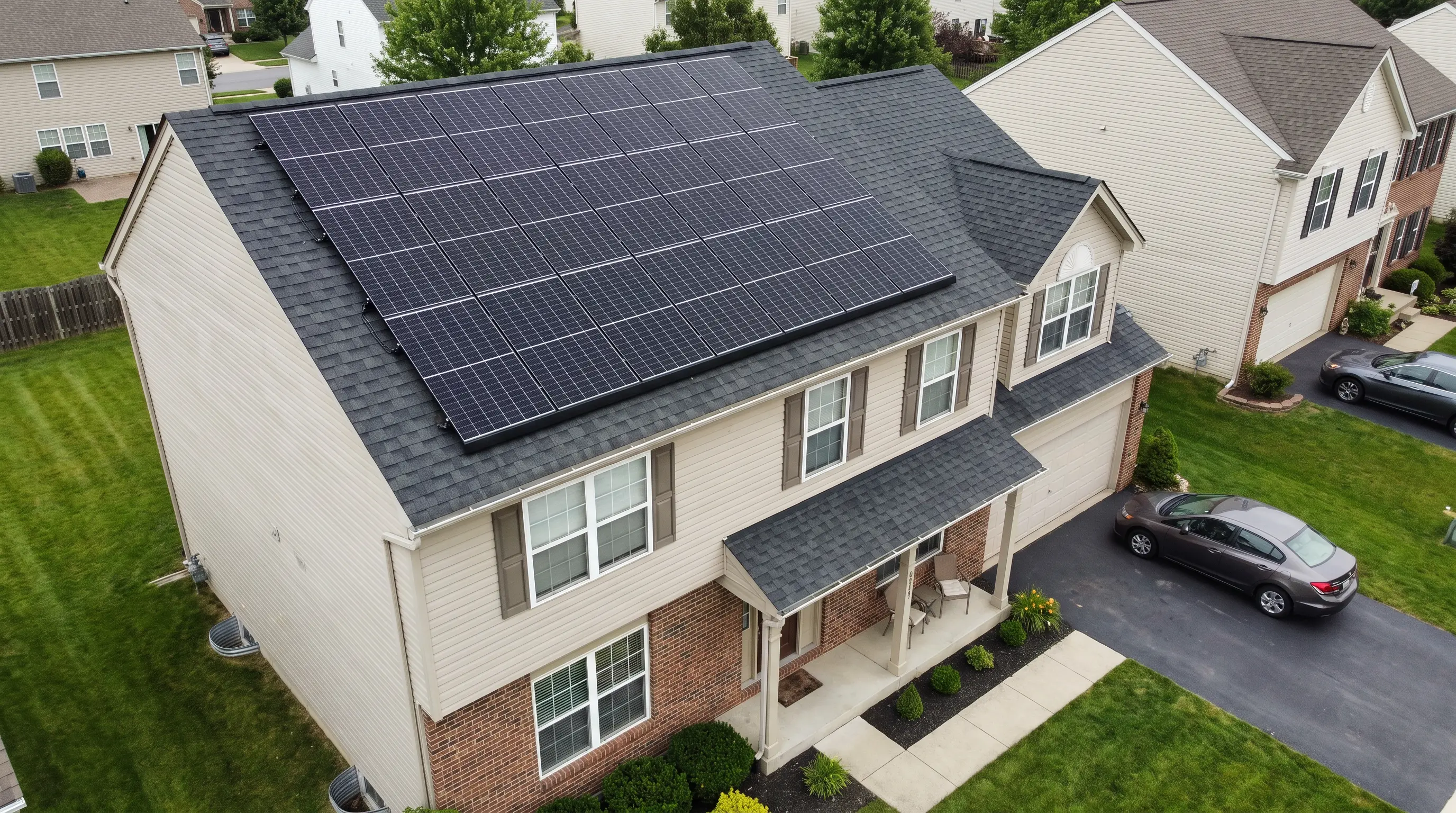
Qcells panels are stocked by many US installers, making quotes and installation support easier to compare. Their established presence also helps when homeowners need service later.
This option suits standard roofs where dependable production matters more than leading technical specifications. Competitive installer availability may also help control the complete system cost.
- Efficiency: About 21%
- Price level: Midrange
- Warranty: Usually 25 years
4. Silfab Prime: Best US-Manufactured Option
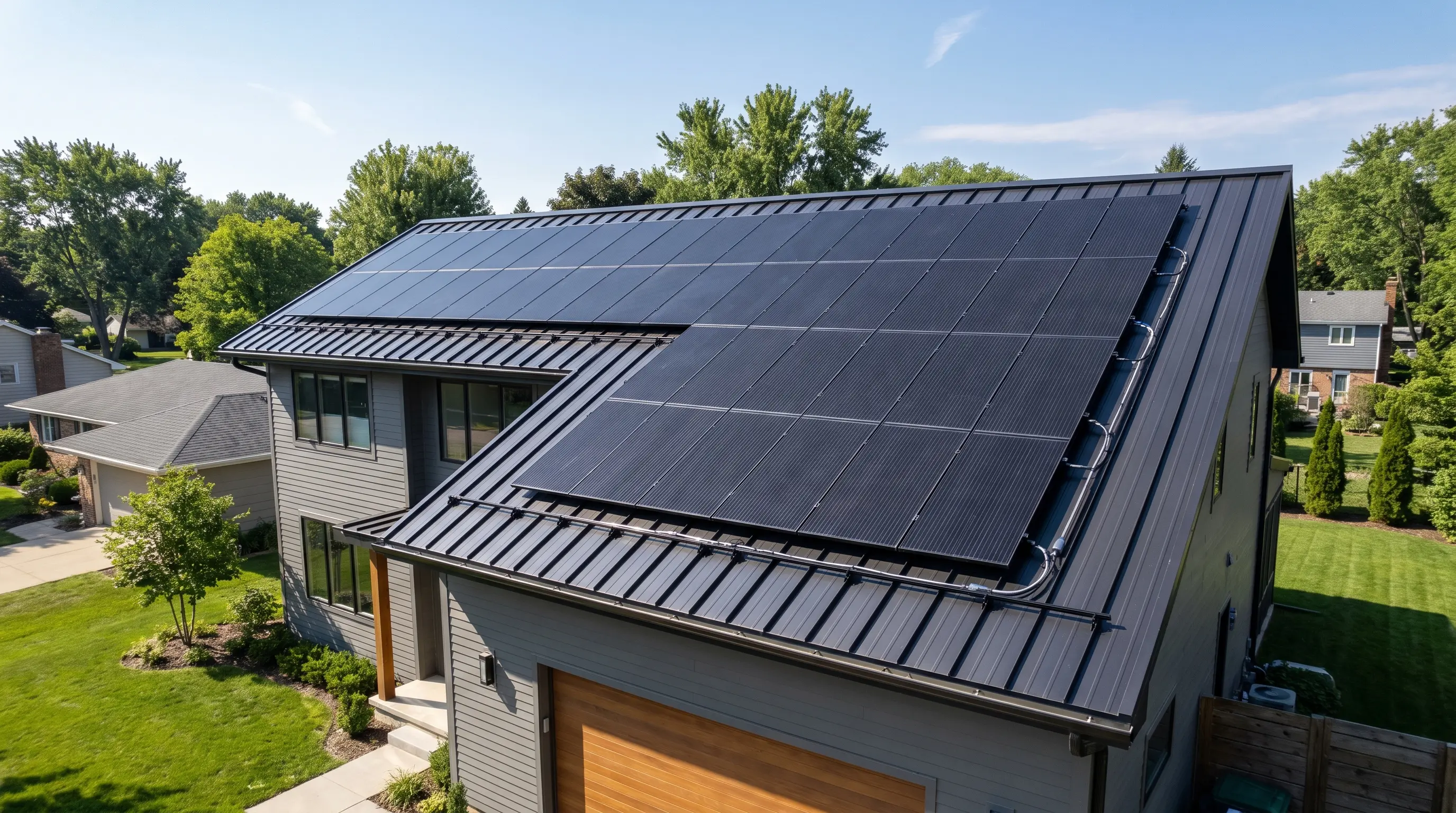
Silfab Prime suits homeowners who prefer domestically manufactured panels and accessible US-based support. Its product range offers a practical balance between performance and cost.
Some systems may qualify for incentives connected to domestic content, but program requirements can change. Ask your installer to confirm eligibility before including any incentive in your savings calculation.
- Efficiency: About 21%–22%
- Degradation: Low
- Price level: Midrange
5. Canadian Solar: Best Budget Option
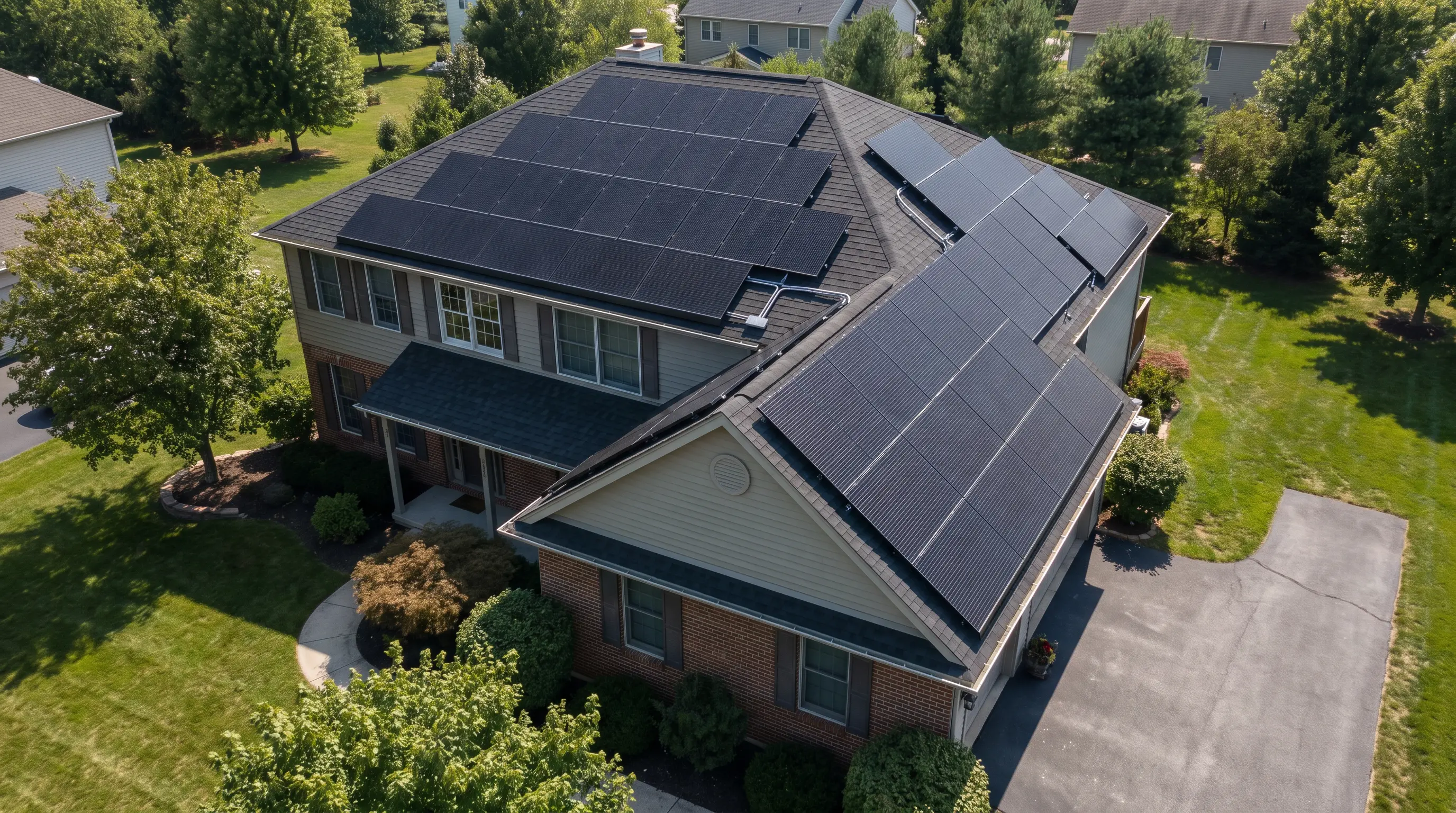
Canadian Solar works well for larger roofs that can accommodate additional panels. Buyers can reduce their cost per watt without moving to an unfamiliar manufacturer.
The lower output per panel becomes more important when roof space is restricted. Compare individual models carefully because performance and warranty terms differ across the company’s residential product lines.
- Efficiency: About 20%–21%
- Degradation: Moderate
- Price level: Budget-friendly
The best choice is the panel that matches your roof, climate, and budget while providing dependable performance throughout its warranty period.
Common Mistakes When Comparing Solar Panels
A few common assumptions can lead buyers toward the wrong panels. Check these points carefully before comparing installer quotes.
| Common Mistake | What It Actually Means | What to Check |
|---|---|---|
| Assuming Tier 1 means top quality | Tier 1 reflects financial stability and bankability, not panel efficiency, durability, or technical performance. | Compare product specifications and independent testing results. |
| Choosing the highest efficiency automatically | A panel with better heat performance may produce more electricity in a hot climate. | Review both efficiency and temperature coefficient. |
| Ignoring small degradation differences | A minor annual difference compounds over 25 years and can reduce total lifetime production. | Compare long-term output guarantees and degradation rates. |
| Trusting warranty length alone | Long coverage has limited value if the manufacturer cannot support future claims. | Check company history, warranty terms, and local service support. |
These details may seem minor during installation, but they can significantly affect your system’s output and savings over time.
How to Choose Based on Your Situation
The right panel depends on your roof, climate, budget, and priorities rather than which brand ranks first overall.
- Lowest long-term cost: Choose Canadian Solar or Qcells. Their competitive cost per watt works well when your roof can accommodate additional panels.
- Strong performance in hot weather: Choose REC Alpha Pure RX. Its low temperature coefficient, which often comes down to differences in cell technology, helps reduce output losses when roof temperatures rise.
- Maximum output from limited space: Choose Maxeon 6. Its high efficiency produces more electricity from fewer panels, helping justify the premium price.
- US-manufactured panels: Choose Silfab Prime. Domestic manufacturing provides accessible support and may help some systems meet current incentive requirements.
Confirm the exact model, installed price, warranty, and estimated production with a licensed installer before making your final decision.
Final Choice
Choosing the right solar panel comes down to matching performance with your roof, climate, budget, and long-term energy needs. I would not judge a panel by efficiency alone because degradation, heat performance, warranty coverage, and installed cost also matter.
The top rated solar panels include premium options such as Maxeon and REC, along with practical choices from Qcells, Silfab, and Canadian Solar. Each one suits a different type of homeowner and installation.
Comparing the exact model and specifications can help you avoid paying extra for features you do not need. Before making your decision, request multiple installer quotes, review the warranty carefully, and check related solar guides to plan your complete system.
Frequently Asked Questions
Which Solar Panel Brand is Best Overall?
Maxeon and REC Alpha Pure RX rank highest for efficiency and heat performance, though both cost more upfront. Qcells and Silfab offer strong reliability at a lower price.
Which Solar Panel Brand is Most Reliable?
Qcells and Silfab have the longest track records for consistent field performance. Both brands are widely installed, which makes parts and service easy to find nationwide.
What Does “Tier 1” Mean for Solar Panels?
Tier 1 tracks which manufacturers have bank financing history, not technical quality. A Tier 1 panel can still underperform a Tier 2 panel on efficiency or heat handling.
How Much Does Solar Panel Efficiency Actually Matter?
Efficiency matters most when roof space is limited, since higher efficiency means fewer panels needed. On a larger roof, degradation rate and heat handling matter more over time.