

A solar system can look like a set-it-and-forget-it investment, but many homeowners eventually ask the same question: how long will it really keep producing power? The answer is not as simple as the number printed on a warranty.
I understand why you want a clear timeline before spending thousands on a system.
You need to know what affects performance, when repairs may be needed, and when replacement makes financial sense.
This guide explains how long do solar panels last, how degradation works, and what you can do to help your system deliver reliable energy for as many years as possible.
How Long Do Solar Panels Actually Last?
Solar panels don’t expire like milk in your fridge. Most solar panels last around 25 to 30 years. After this period, they usually continue operating but produce less electricity than when they were new. Many panels still retain around 80–85% of their original output after 25 years.
The 25-year mark is when manufacturers stop guaranteeing performance levels. Panels installed in the 1990s are still generating electricity on rooftops today, offsetting energy bills and doing their job.
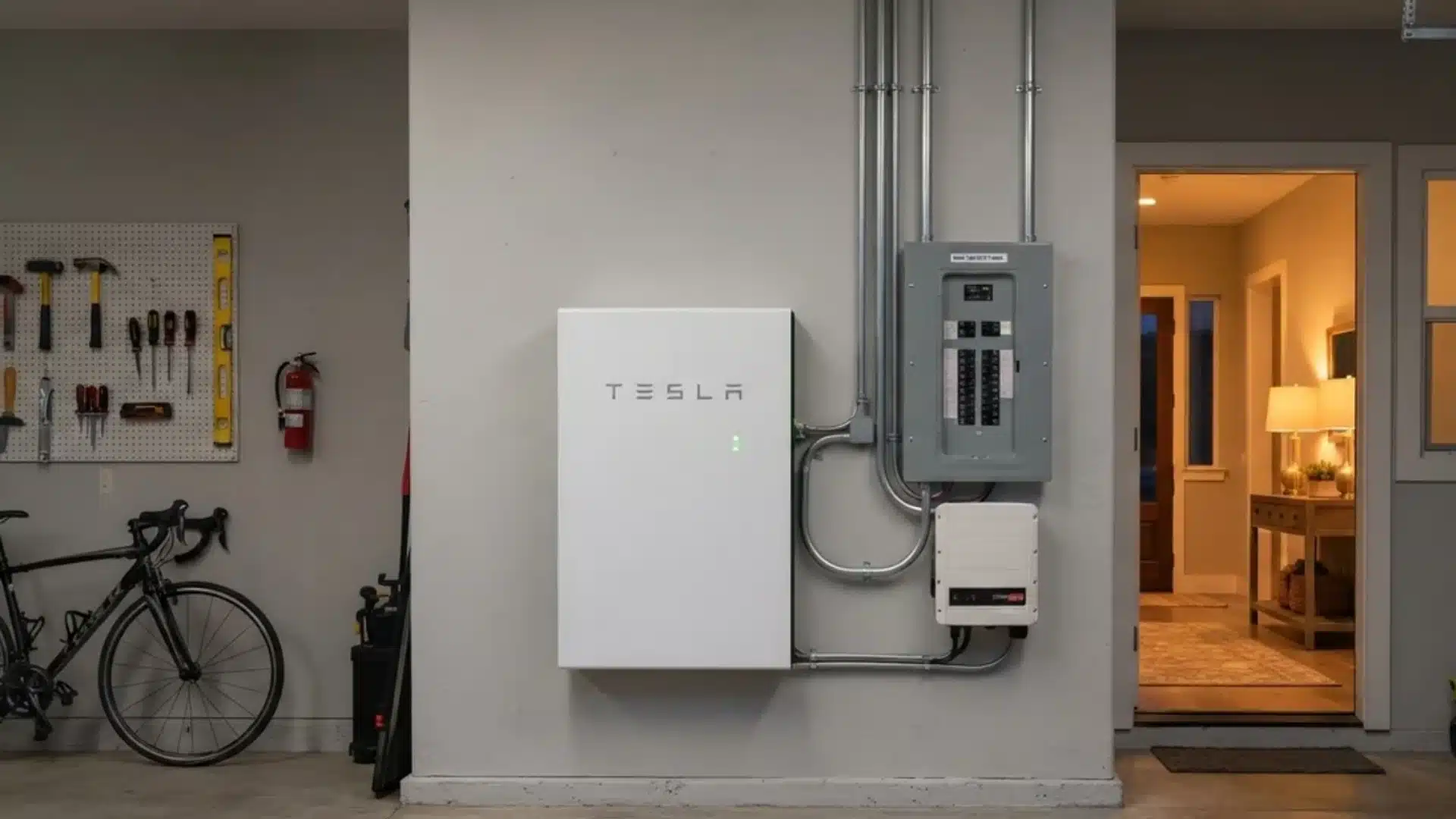
Where it gets genuinely complicated is the gap between panel lifespan and system lifespan. Your panels are almost certainly not the first component that will need replacing. The solar panels are usually the longest-lasting part of the system, while other equipment may require replacement sooner.
So the smarter question isn’t how long panels last in isolation. It’s understanding how solar cells age over time, and which variables determine whether your system ages slowly or quickly.
What Determines a Solar Panel’s Lifespan?
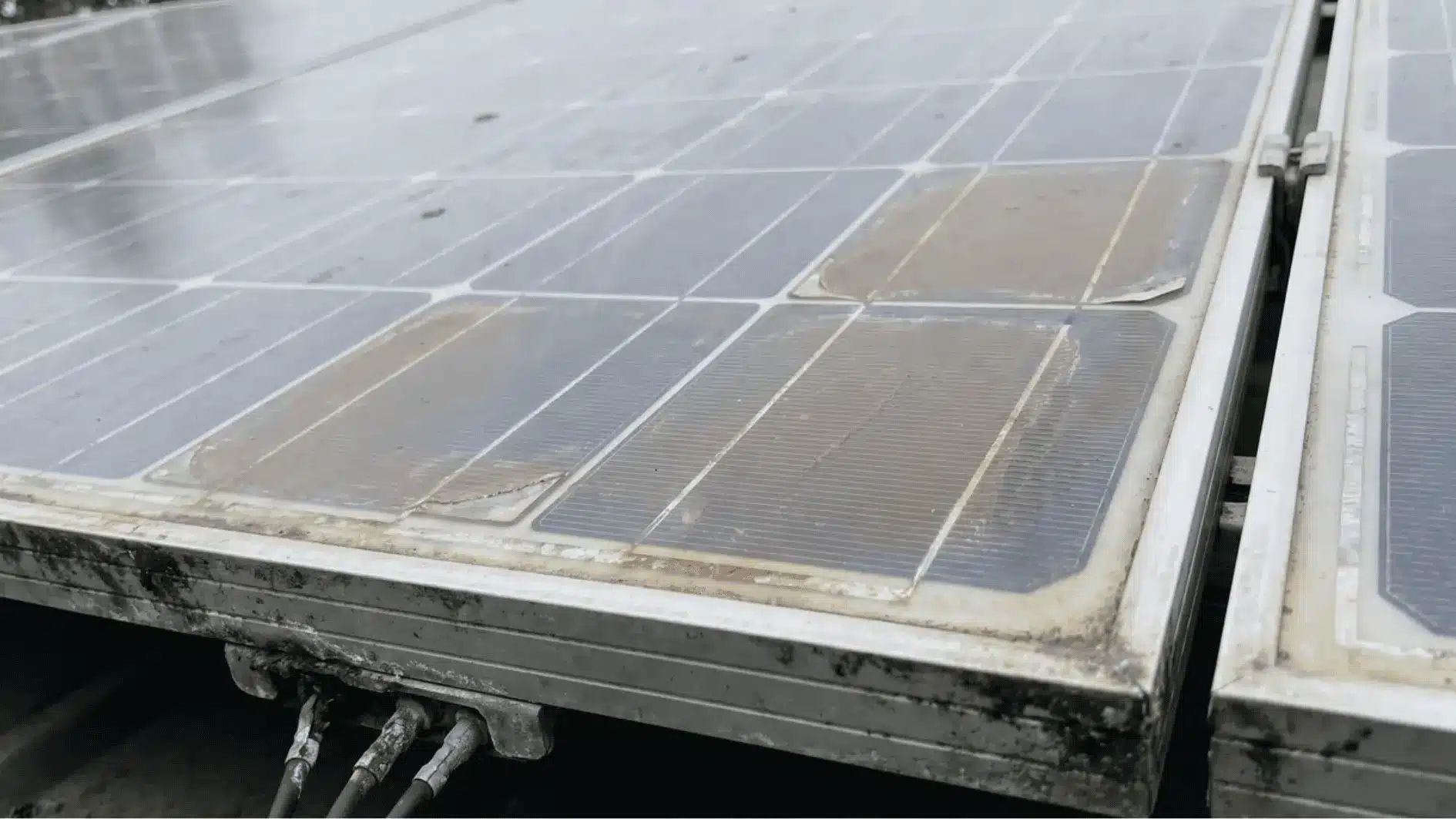
Solar panel lifespan depends on degradation, environmental conditions, warranty expectations, and the durability of supporting solar system components.
1. Why Panels Lose Efficiency Over Time
Solar panels gradually lose efficiency because photovoltaic materials experience natural aging over years of exposure.
Light-induced degradation (LID) occurs when panels are first exposed to sunlight, while potential-induced degradation (PID) can reduce electrical performance over time.
Repeated heating and cooling cycles can create mechanical stress inside panels, while moisture and corrosion can affect electrical connections over time.
2. Warranty Period vs. Actual Lifespan
A solar panel warranty indicates the period during which manufacturers guarantee a certain level of performance, not the exact time a panel stops working.
Most warranties cover expected power output after years of use, while the actual lifespan can extend beyond the warranty period. Older panels may continue generating electricity with reduced efficiency. Understanding this difference helps homeowners avoid replacing panels simply because the warranty has expired.
3. Inverters and Other System Components
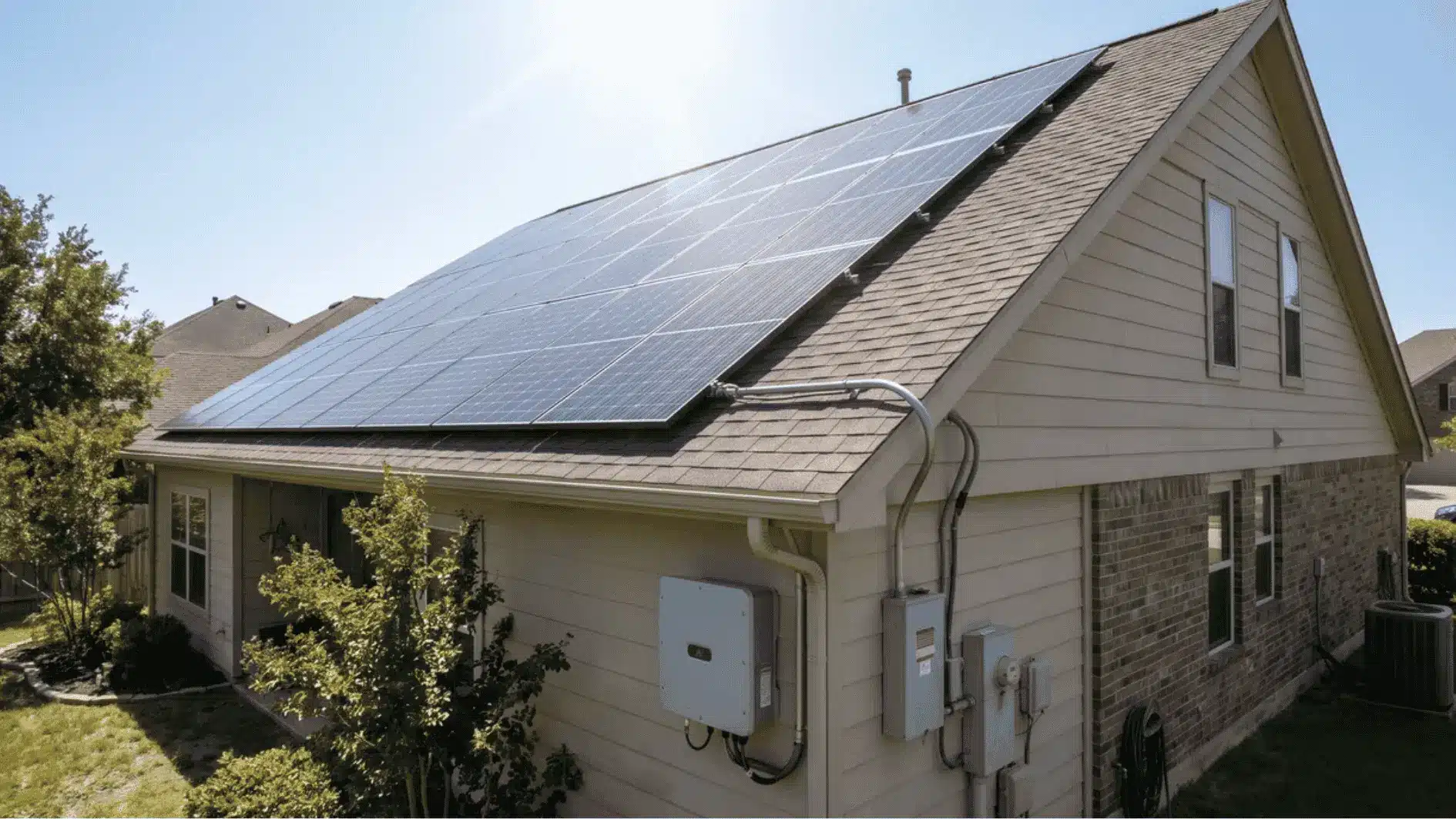
Solar panels are usually the most durable part of a solar energy system, but other components may require replacement sooner. Inverters often have shorter lifespans because they continuously convert solar energy into usable electricity.
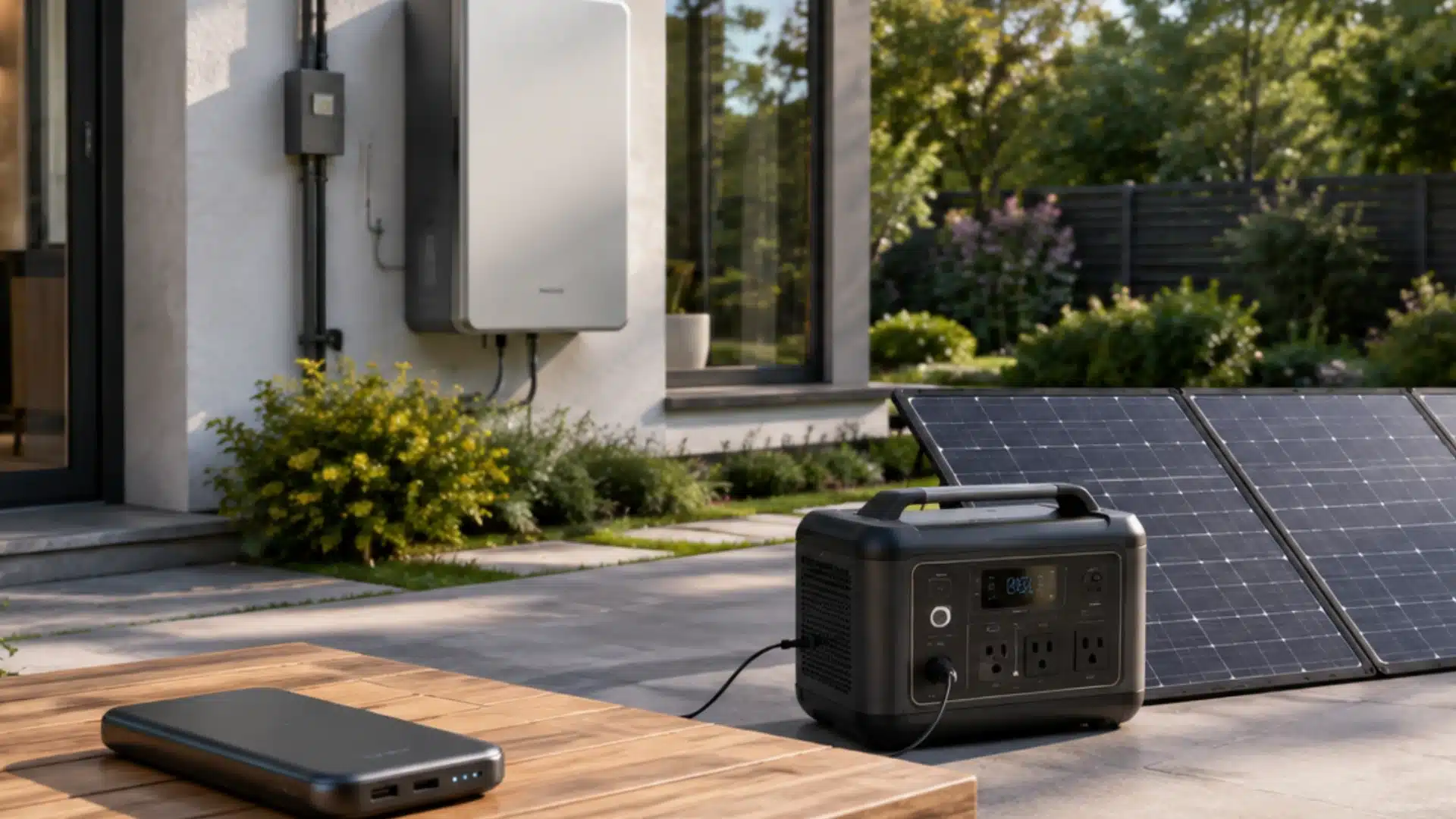
Batteries, monitoring systems, and other electrical equipment can also wear out earlier than panels. Replacing these individual components can restore system performance without requiring a complete solar panel replacement.
Most inverters last around 10–15 years, and knowing the inverter replacement timeline in advance can help you budget for it sooner than for the panels themselves.
When Should Solar Panels Be Replaced?
Solar panels usually do not need to be replaced just because they reach the 25- or 30-year mark. Their useful life depends on how much electricity they continue producing, their physical condition, and whether they still meet your energy needs.
Replacement becomes worth considering when your system no longer produces enough electricity for your needs, the panels are physically damaged, or repair costs exceed the cost of upgrading.
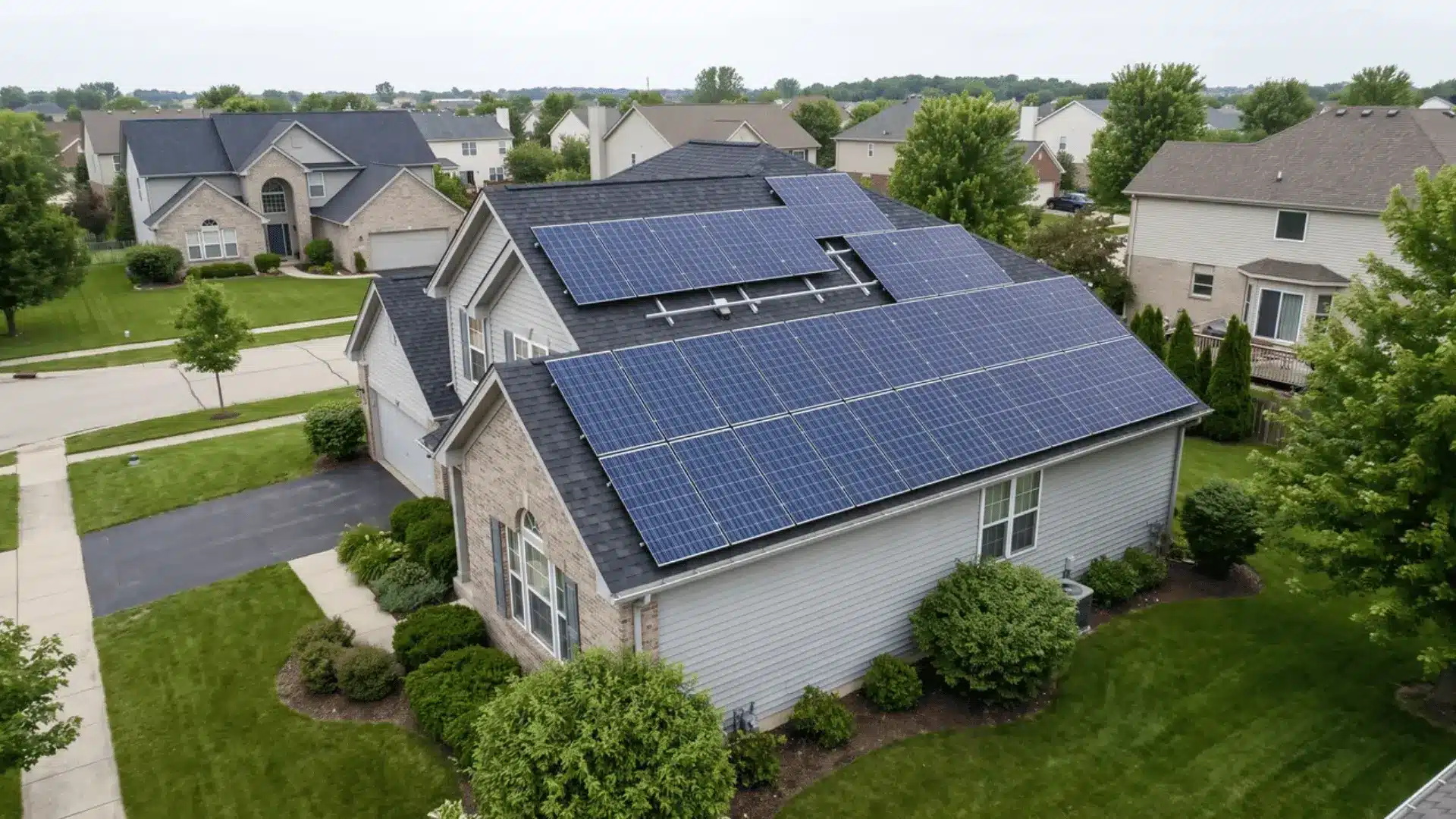
Some older panels can continue working for years with reduced efficiency, making replacement unnecessary if they still offset enough electricity costs. In cases involving roof work or storm damage, the process of panel removal and reinstallation is often more practical than a full system swap.
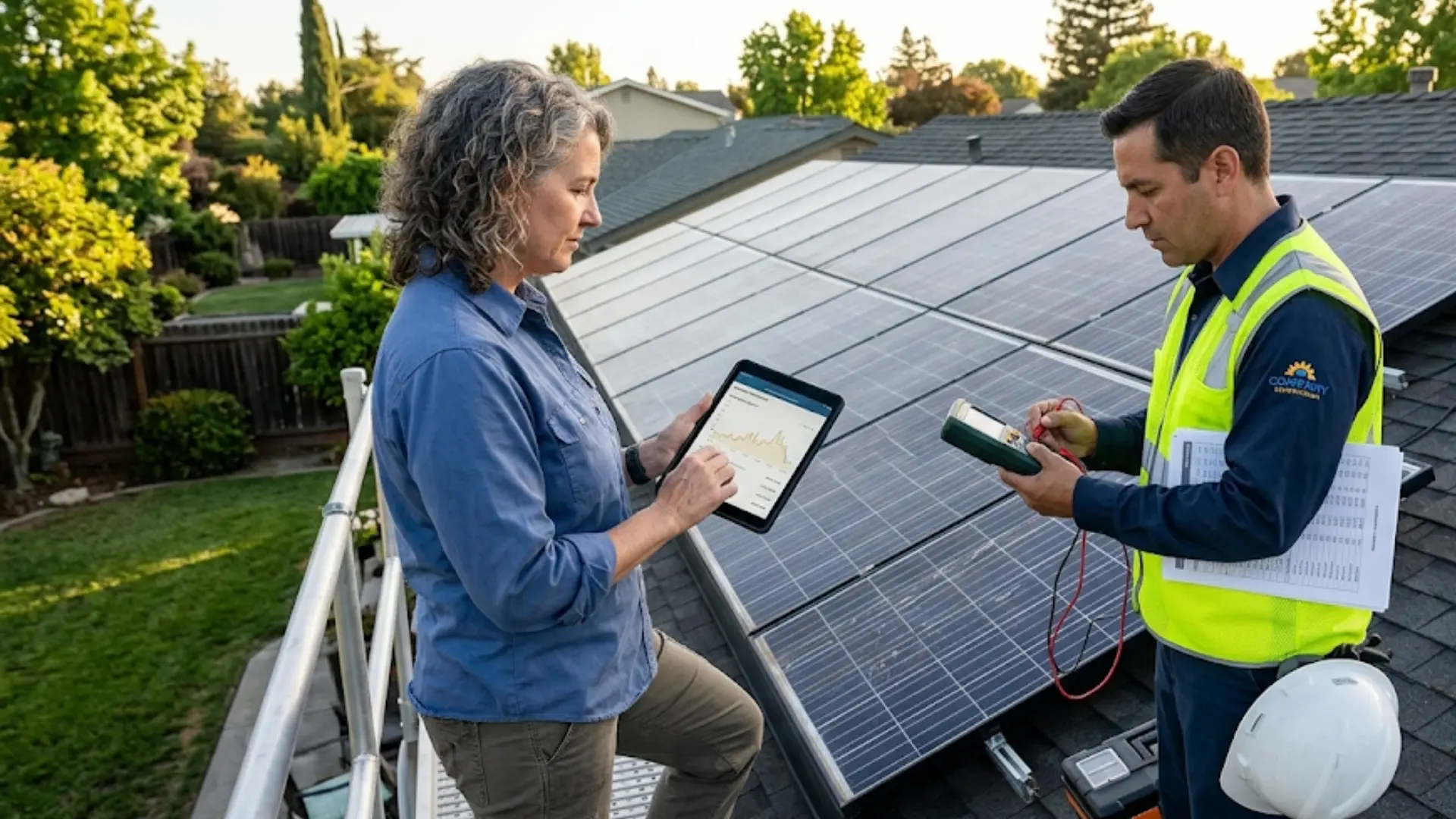
Monitoring your system’s annual energy production is one of the best ways to judge performance. A sudden drop in output may indicate damage or failing components, while a gradual decline is a normal part of aging.
If the system continues to produce enough electricity and repairs remain affordable, replacing the panels may not be necessary even after decades of use.
How Can You Extend the Lifespan of Solar Panels?
Simple maintenance and proper system care can help solar panels maintain performance, reduce avoidable damage, and support reliable electricity production throughout their expected operating life.
- Choose high-quality solar panels and ensure professional installation to prevent early performance issues caused by poor setup.
- Keep panels free from heavy dirt, debris, and buildup that can reduce sunlight exposure and energy output.
- Monitor system performance regularly to identify unusual drops in electricity production before they become major problems.
- Inspect electrical connections and address inverter or component issues early to protect overall system efficiency.
Extending solar panel lifespan does not require complex maintenance. Consistent monitoring, proper installation, and timely repairs help preserve output and maximize the value of the system over decades.
Conclusion
Solar panels are designed to provide reliable energy for decades, but their performance gradually changes as they age.
I’ve covered how degradation, climate, installation quality, and supporting components affect the overall life of your system.
Knowing how long do solar panels last helps you plan for maintenance, inverter replacements, and future upgrades without unnecessary costs.
You can get more value from your investment by monitoring output, keeping panels clean, and addressing problems early. A well-maintained system can continue producing electricity long after the warranty period ends.
Check your system’s performance regularly, follow these care tips, and share your experience with solar ownership.
Frequently Asked Questions
Do solar panels stop working after 25 years?
No. Solar panels continue generating electricity after 25 years; they simply produce less of it. Most panels reach that age still operating at 80–85% of their original output. The 25-year mark is when manufacturer performance warranties typically expire — not when the panels cease to function.
What shortens solar panel lifespan the most?
Sustained high heat, repeated thermal cycling, moisture infiltration from poor installation sealing, and physical damage from hail or debris are the primary factors that accelerate degradation beyond the typical 0.5% annual rate. Installation quality at the outset has a compounding effect on long-term output.
How long do solar inverters last compared to panels?
Solar inverters typically last 10–15 years, significantly less than the panels they serve. Most homeowners will need at least one inverter replacement over the lifetime of their panel system. String inverters tend toward the shorter end of that range; microinverters often last longer.
Can solar panels degrade faster in a hot climate?
Yes. High and sustained temperatures accelerate both light-induced and thermal degradation processes in solar cells. Panels in moderate climates can degrade as slowly as 0.2% per year; those in intense desert heat may degrade at a meaningfully higher rate, reducing useful lifespan accordingly.