


Your roof needs work, but your solar panels are still on it. What happens next can feel confusing, especially when you realize the panels may need to come down before repairs begin.
I know the biggest concerns are usually cost, risk of damage, and whether your system will work the same afterward. Solar panel removal and reinstallation are planned processes, not random disruptions.
I’ll explain when removal is required, how the detach-and-reset process works, what it costs, and what you should confirm before hiring anyone. You’ll know exactly what to expect before your project starts.
What Is a Solar Panel Detach and Reset?
A solar panel detachment and reset is the temporary removal of your entire solar system so that roof or structural work can take place underneath, followed by full reinstallation once the work is complete.
Unlike a simple repair, the process involves disconnecting electrical connections, removing mounting hardware, safely storing panels, and reinstalling everything afterward. The work must be handled by licensed solar professionals because it involves high-voltage DC electricity and grid requirements.
A proper detach and reset is not just reinstalling panels in reverse. Documentation, hardware checks, and production testing help confirm the system performs the same after it goes back on the roof, which matters more the older your array gets, since panel lifespan and output naturally decline over time regardless of roof work.
When Do You Actually Need to Remove Solar Panels?
Solar panel removal isn’t always necessary during roofing work. If you need a full detach-and-reset, it depends on one key factor: does the job require direct access to the roof surface under your mounting hardware?
- Roof replacement always requires removal; new material must go under and around the mounting hardware
- Partial re-roofing over the array typically requires removal
- Structural repairs beneath panels typically require removal
- Certain attic-access projects may require removal
- Cosmetic repairs usually don’t require removal
- Gutter replacements usually don’t require removal
- Work on roof sections clear of the array usually doesn’t require removal
- Lease/PPA agreements often require the original installer to handle any removal, regardless of scope — a contractual issue, not just a technical one
When uncertain, loop in your solar installer and roofing contractor together before work begins. That 15-minute conversation can prevent weeks of scheduling conflicts and voided warranty claims down the line.
How the Solar Panel Removal and Reinstallation Process Works
A solar detach-and-reset project follows a structured sequence to protect your panels, roof, and electrical system. Each step ensures the system is properly documented, safely removed, and restored to its original performance after roof work is complete.
Step 1: Inspect the Solar System and Record Performance Data
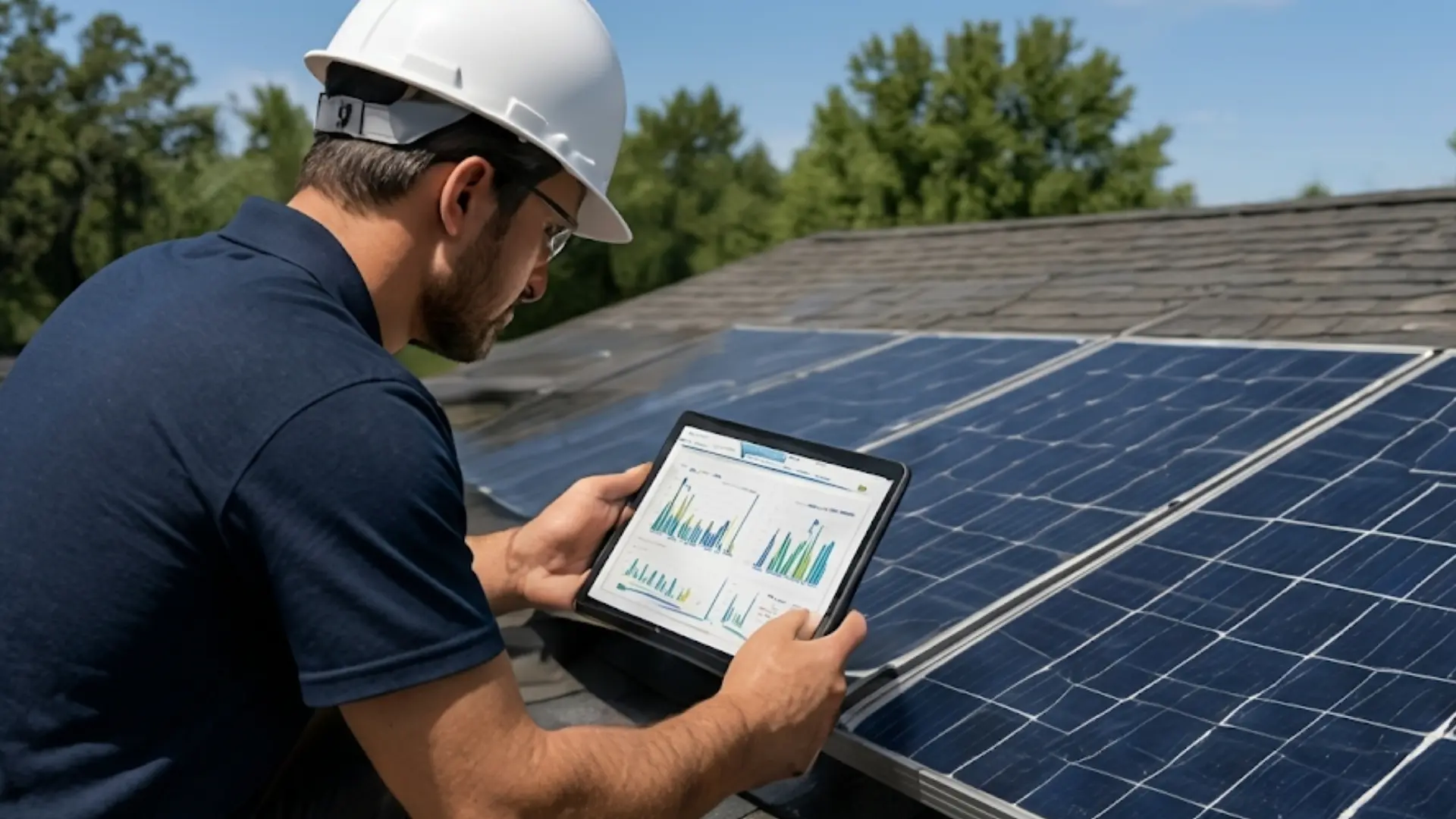
Before removing anything, the solar contractor evaluates the current condition of your system. Technicians check panel output, inverter performance, wiring connections, mounting points, and overall system health.
They also record your system’s current energy production. This baseline helps compare performance after reinstallation and confirms whether the system is working properly once it is back online.
Step 2: Review Project Requirements and Create a Removal Plan
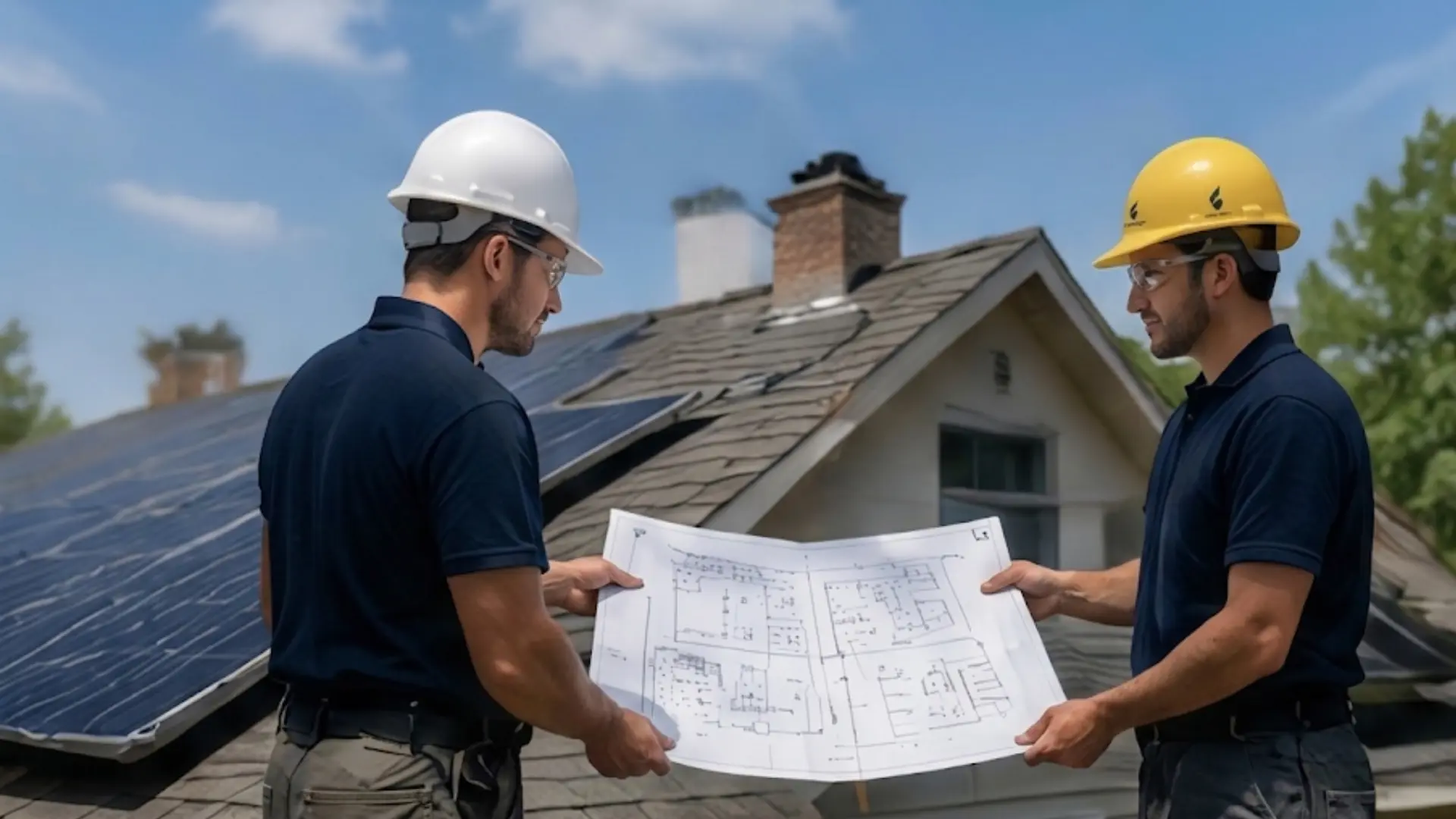
The solar and roofing teams coordinate the project details before work begins. They determine why the panels need to be removed, how long they will be off the roof, and where equipment will be stored.
During this stage, professionals confirm:
- Roof areas requiring repairs or replacement
- Panel layout and mounting locations
- Storage arrangements
- Permit requirements
- Warranty responsibilities
- Reinstallation timeline
A clear plan reduces delays and prevents mistakes during the removal process.
Step 3: Shut Down the Solar System and Disconnect Electrical Components
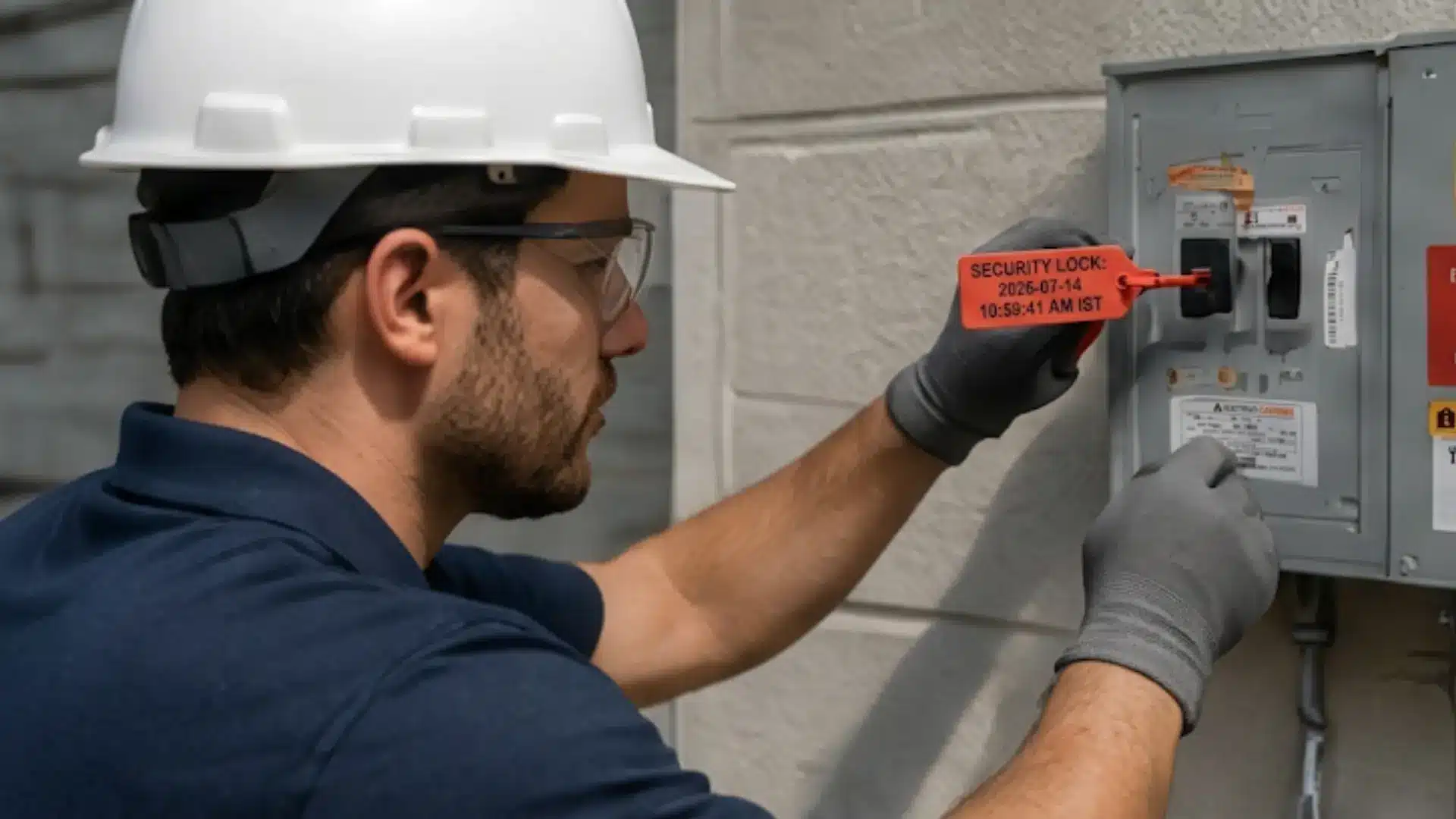
Before any physical removal begins, technicians safely shut down the solar system. They disconnect the inverter, electrical wiring, and other components in accordance with safety procedures.
Because solar panels continue producing electricity when exposed to sunlight, proper shutdown is essential. Licensed professionals handle this step to prevent electrical hazards and protect the equipment from damage.
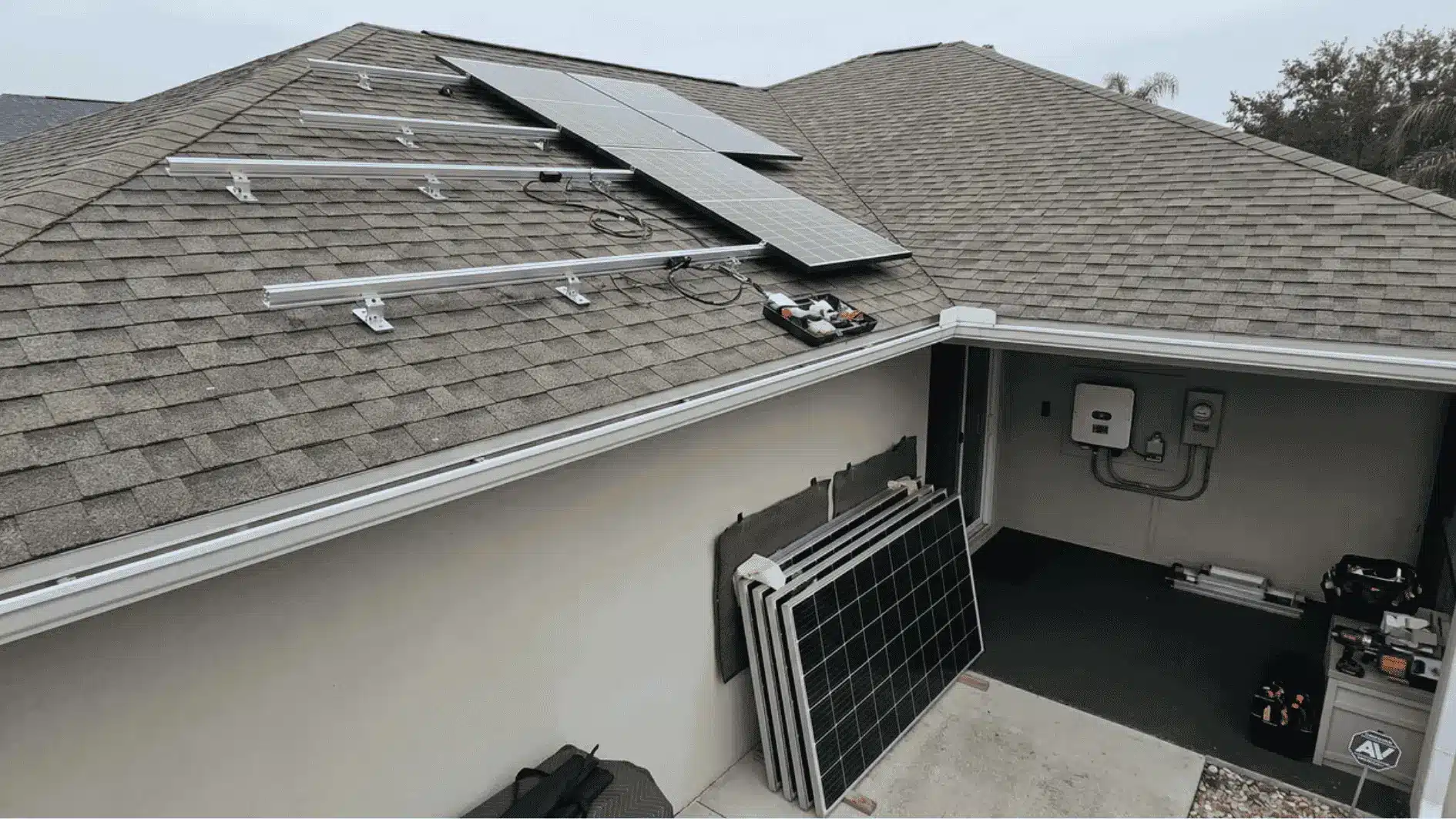
Step 4: Remove Panels, Racking, and Mounting Hardware
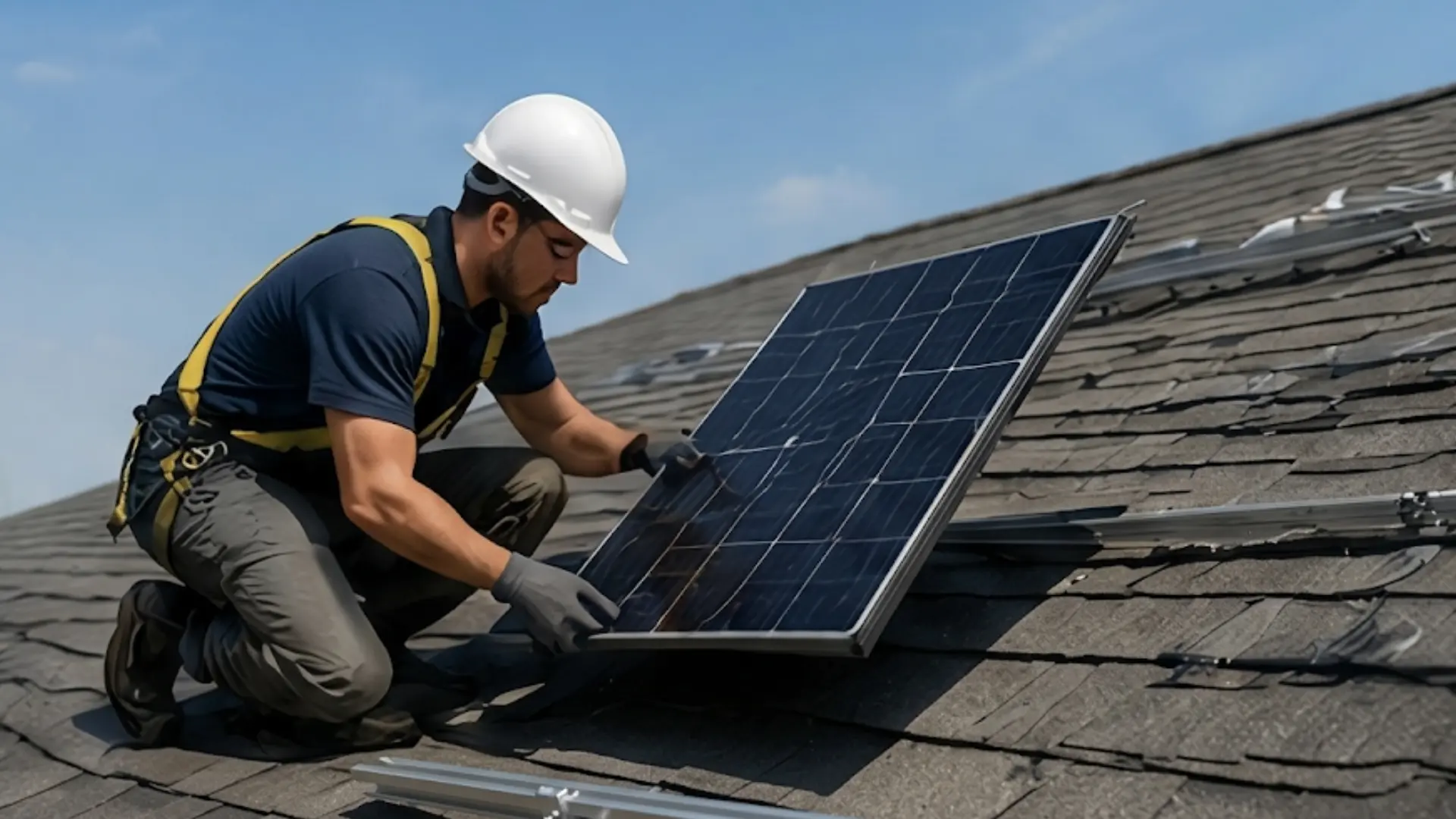
Once the system is powered down, technicians carefully remove the solar panels from the roof. Each panel, cable, and mounting component is labeled to ensure correct placement during reinstallation.
The removal process usually includes:
- Disconnecting panel wiring
- Removing clamps and mounting brackets
- Taking down racking equipment
- Inspecting components for damage
- Recording panel positions
Careful labeling helps the team reinstall the system in the same configuration.
Step 5: Store and Protect Solar Equipment During Roof Work
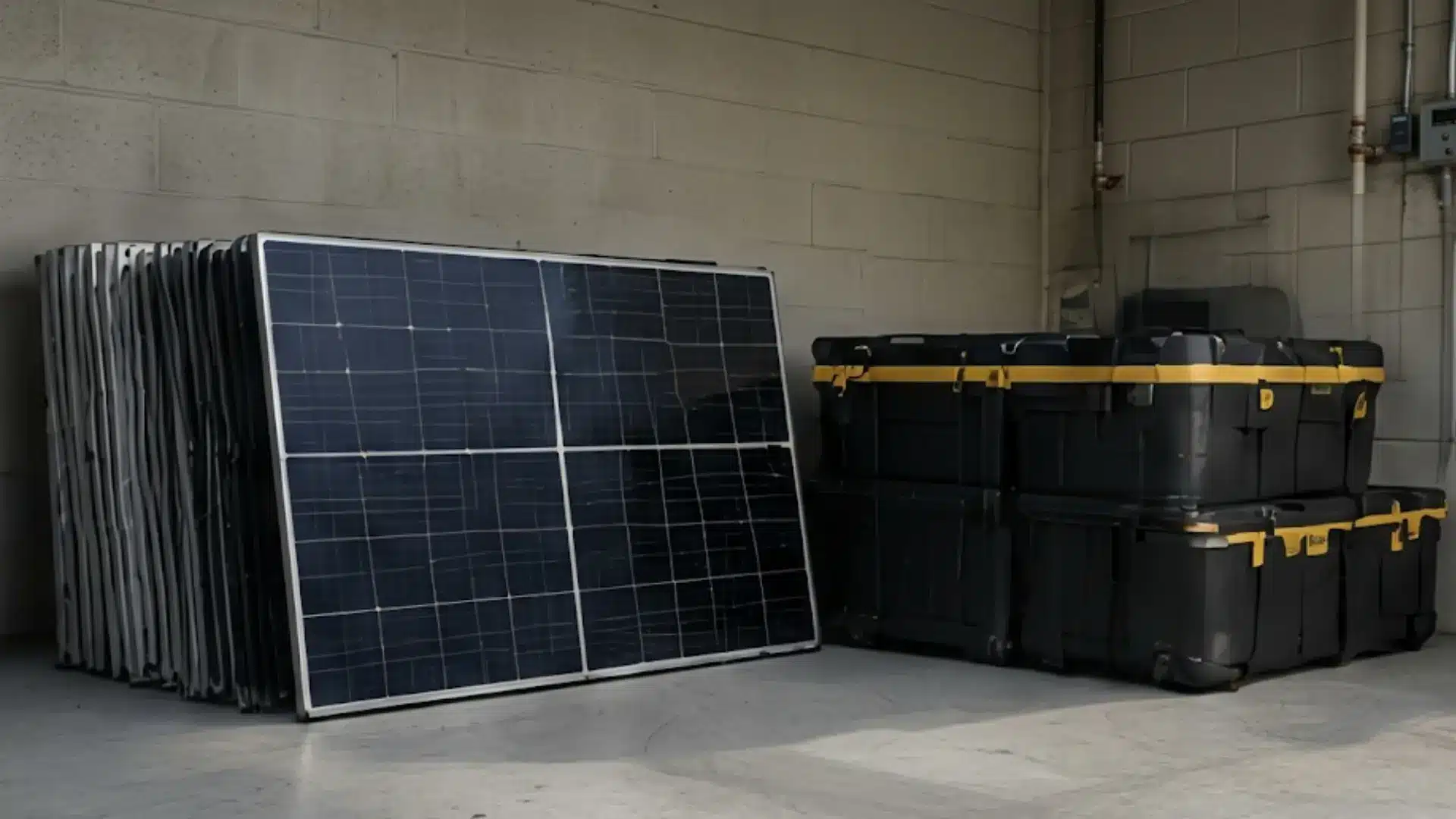
After removal, panels and equipment must be stored safely until the roof project is complete.
Storage options include:
- On-site storage: Panels remain at the property in a secure, protected location.
- Off-site storage: The solar contractor transports equipment to a controlled facility.
Proper storage prevents scratches, moisture exposure, impact damage, and misplaced components during construction.
Step 6: Reinstall Solar Panels and Replace Necessary Hardware
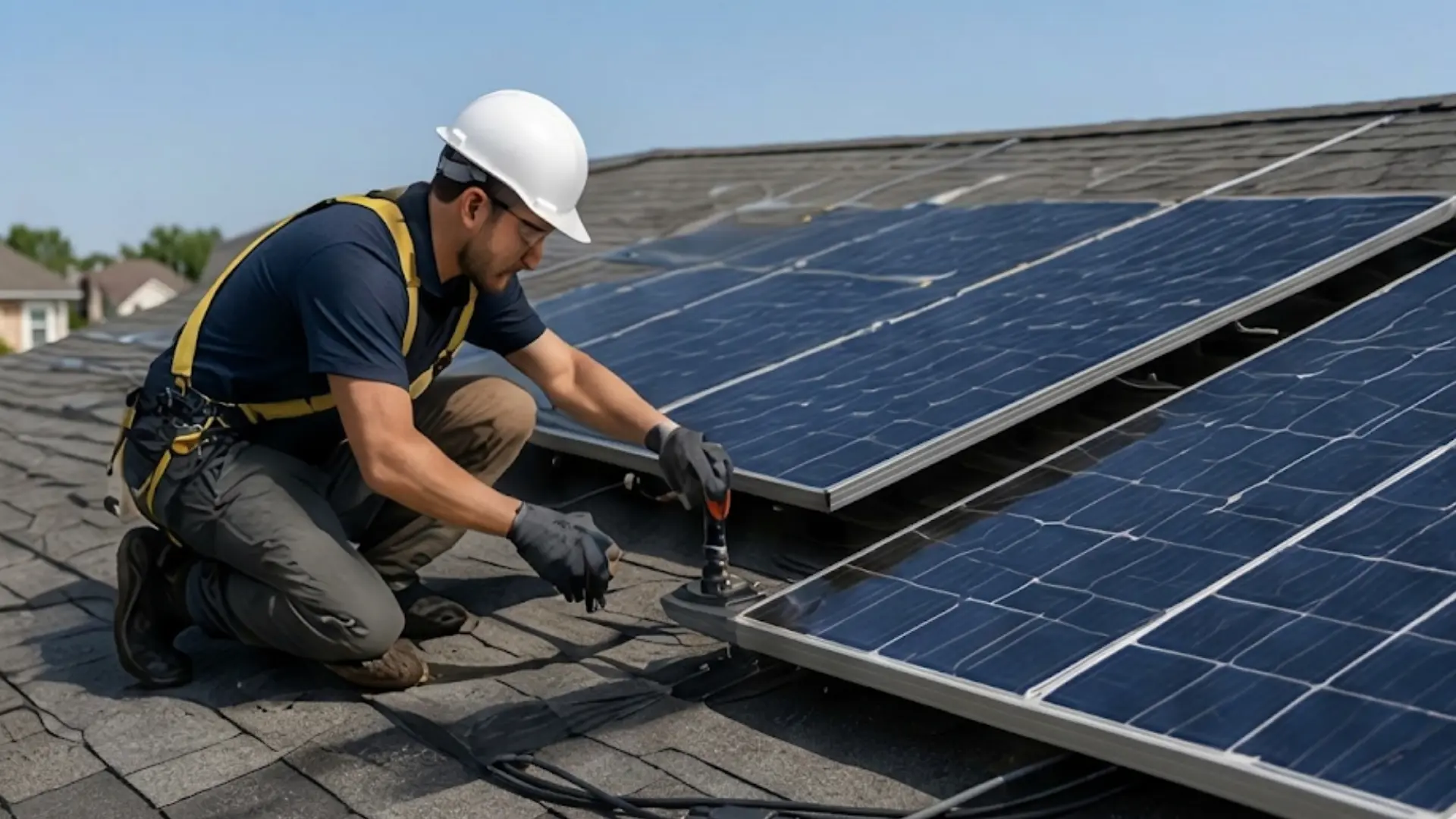
After roof repairs or replacement are finished, the solar contractor returns to reinstall the system.
Technicians reinstall:
- Solar panels
- Mounting rails
- Wiring connections
- Inverter components
- Grounding equipment
During this step, they inspect older mounting hardware. While panels are usually reused, worn flashing, brackets, or racking may need to be replaced to prevent future roof leaks.
Step 7: Test System Performance and Complete Final Inspection
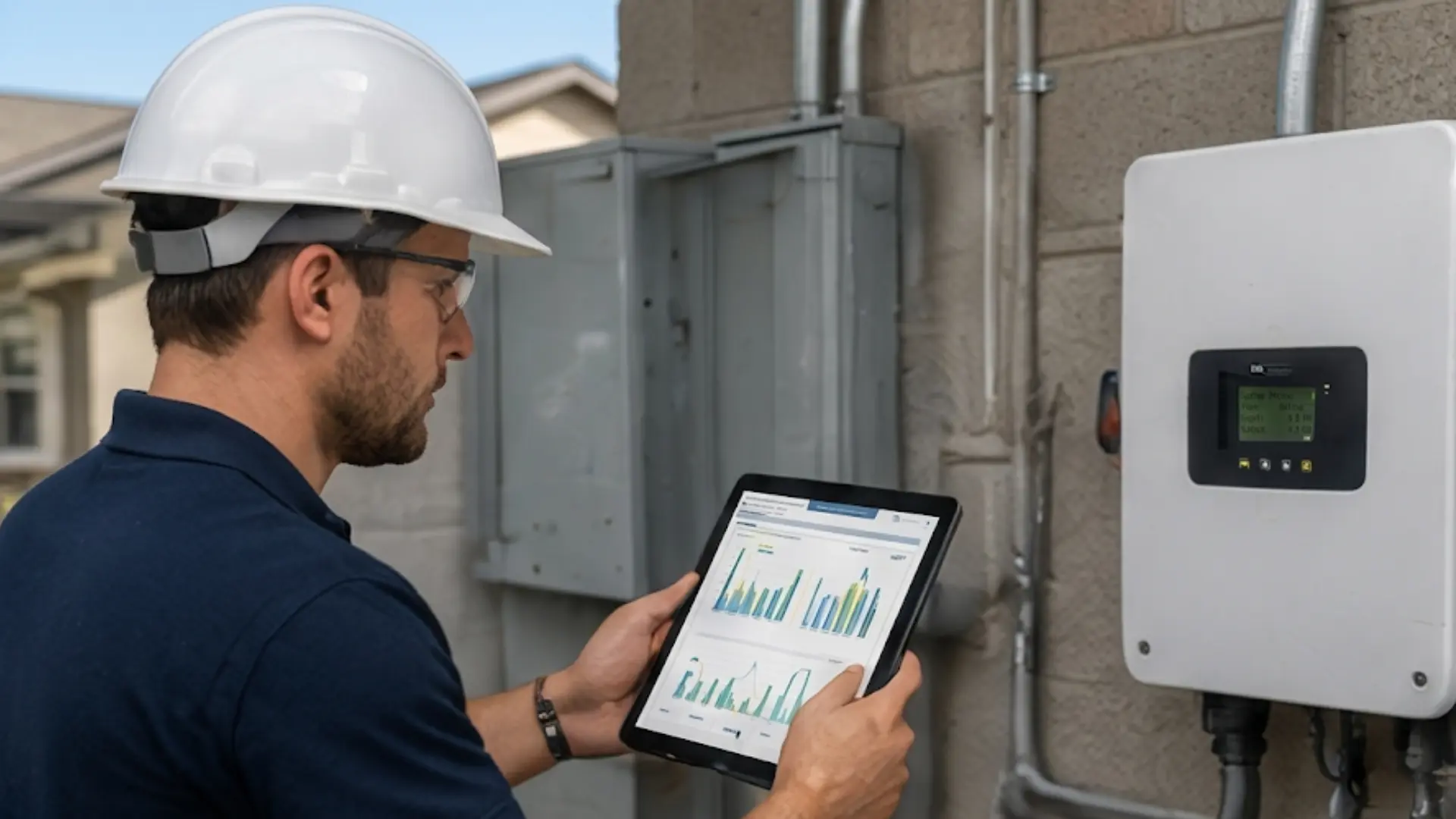
The final step is testing the restored solar system. Technicians reconnect the system, verify electrical safety, and check energy production.
The contractor compares new performance data with the original baseline recorded before removal. They also confirm:
- Panels are correctly positioned
- Connections are secure
- The inverter functions properly
- Permits and inspections are complete
- Monitoring systems are reporting correctly
Once everything passes inspection, the solar system is returned to normal operation.
What Does Solar Panel Removal and Reinstallation Cost?
Per-panel pricing is the most reliable way to estimate a detach-and-reset. System size drives the base cost, and everything else layers on top from there.
Base Labor Costs by System Size
The SERP’s most consistent figure is $275-$300 per panel for base labor. Here’s what that looks like across common residential system sizes:
| System Size | Estimated Cost Range |
|---|---|
| 15 panels | $4,125 to $4,500 |
| 20 panels | $5,500 to $6,000 |
| 25 panels | $6,875 to $7,500 |
| 30 panels | $8,250 to $9,000 |
Additional Cost Variables
Several costs can fall outside the base labor estimate. Confirm these items in writing before work begins:
- Storage fees: Expect $300 to $500 if panels are moved to the contractor’s facility rather than stored on-site during roof work.
- Permits: Most areas require permits even if the solar system layout stays the same. Costs vary by location but are necessary for a compliant reinstallation.
- Mounting hardware replacement: New mounts, racking, and flashing may be needed on a new roof. Check whether your quote includes these or lists them as extra charges.
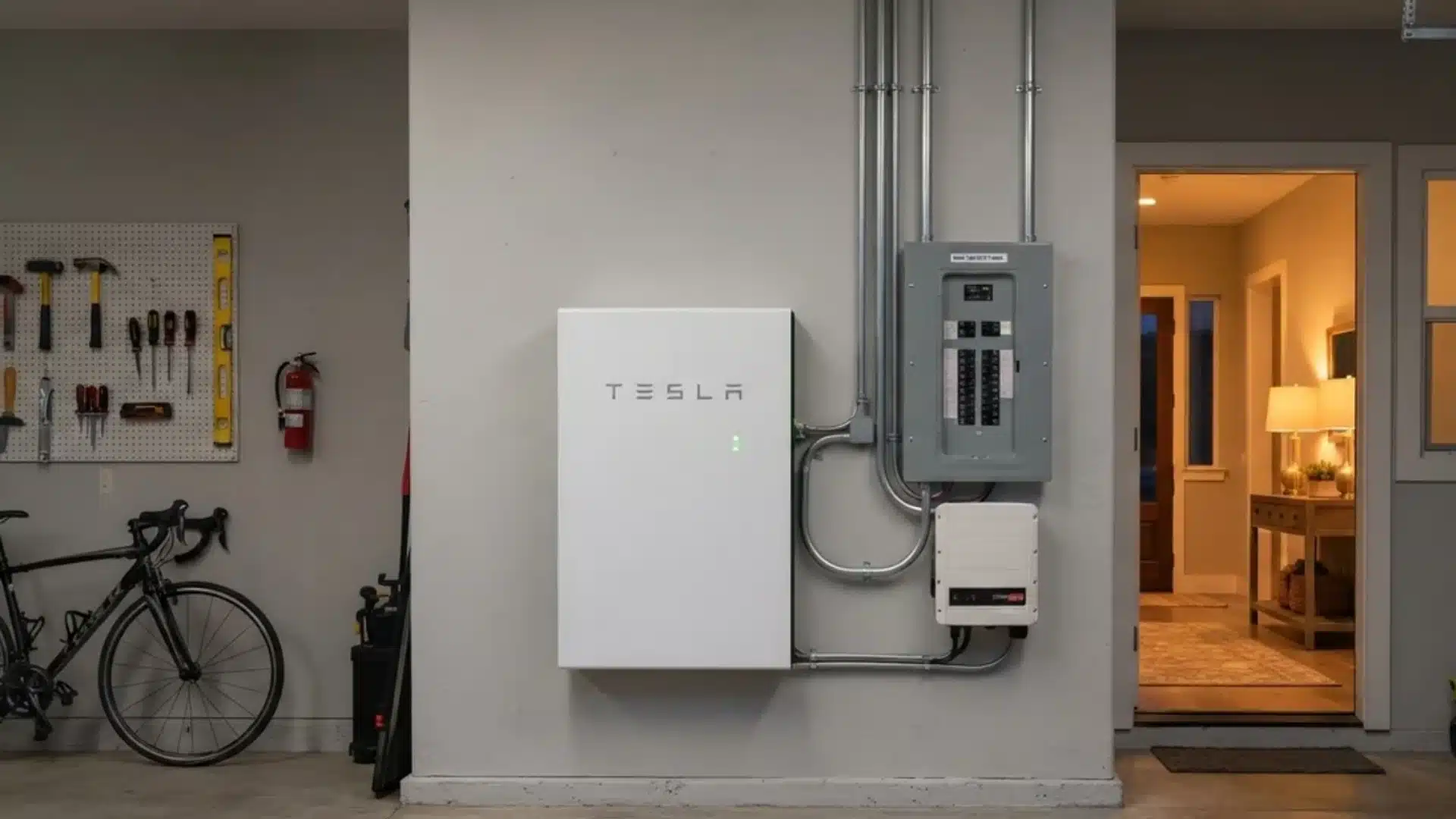
- Manufacturer-specific systems: Brands like Tesla may cost more because warranty service often requires certified technicians. These systems usually fall toward the higher end of the price range.
Always request an itemized quote that separates labor, permits, storage, and hardware. A flat price makes it harder to know what you are actually paying for.
Warranties, Insurance, and Permits: What to Sort Out Before You Start
Three checks before you hire anyone can save real money and prevent complications that show up months later.
- Original installer’s workmanship warranty: Many cover detach-and-reset labor costs when removal is tied to a roof replacement. Call your original installer first. You may not need to pay a third party at all.
- Manufacturer certification requirements: Panel and inverter warranties can be voided by uncertified reinstallation. Ask any prospective contractor for credentials before agreeing to anything. This is a warranty decision, not just a quality preference.
- Permit requirements: Most jurisdictions require an electrical permit for reinstallation even when nothing about the system changes. Unpermitted work creates homeowner liability and can complicate a future home sale. Confirm your contractor pulls permits as part of the project scope.
- Homeowners insurance: If your roof replacement is a covered claim, the detach-and-reset may be covered too. Document the scope of removal in writing and submit it to your insurer before work begins, not after.
All four checks take less than a day. Skipping them to move faster is consistently the most expensive shortcut in the process.
Conclusion
A roof replacement with solar panels requires careful planning, but the process is manageable when every step is handled correctly.
I’ve covered how solar panel removal and reinstallation work, why documentation matters, what costs to expect, and which checks protect your system and warranty.
You can avoid many problems by confirming permits, insurance coverage, hardware decisions, and installer qualifications before work begins. A proper detach and reset should leave your solar system performing just as it did before removal.
Take time to compare quotes, ask the right questions, and verify your production numbers after reinstallation. Share your experience or check out related solar guides for more helpful tips.
Frequently Asked Questions
Can you remove and reinstall solar panels yourself?
Removing and reinstalling solar panels is not a safe DIY project. The process involves high-voltage DC electrical disconnection, structural roof penetrations, and system-level grounding work, all of which require licensed solar professionals. Attempting it without certification also risks voiding both your panel manufacturer’s warranty and your installer’s workmanship warranty.
Does homeowners insurance cover the removal of solar panels for a roof replacement?
Some homeowners’ insurance policies cover detach and reset costs when the roof replacement is a covered claim. Coverage varies significantly by policy and insurer. Contact your insurance provider before scheduling any work, and get the scope of the removal documented in writing to support a potential claim.
Do you need a permit to reinstall solar panels?
In most jurisdictions, yes. Even when the system configuration doesn’t change, reinstallation typically requires an electrical permit because the system is being reconnected to the grid. A reputable solar contractor will pull the required permits as part of the project; confirm this before signing any agreement.
How long does solar panel removal and reinstallation take?
The full process typically spans one to two weeks from system shutdown to final sign-off. The timeline depends on system size, the roofing contractor’s schedule, and how long the new roof surface needs to cure before the solar team can reinstall. Most of the wait time falls between removal and reinstallation, not during the solar work itself.