


I used to think my heat pump only needed attention when something stopped working. As long as it heated in winter and cooled in summer, I assumed everything was fine.
Then I found out that small maintenance tasks could make a big difference in how well it runs and how much it costs to operate.
That changed the way I looked at caring for the system. Heat pump maintenance is not difficult, but knowing what to check and when can save money and help avoid unexpected repairs.
A few minutes of regular care can keep your heat pump running efficiently throughout the year.
What Does Heat Pump Maintenance Include?
It includes a mix of simple homeowner tasks and annual professional servicing to keep the system running efficiently throughout the year.
Before getting started, it also helps to identify a heat pump so you can follow the right care routine for your system. Because a heat pump provides both heating and cooling, it works harder than many other HVAC systems and benefits from regular care.
Basic maintenance involves cleaning or replacing the air filter, keeping the outdoor unit free of leaves and debris, checking that airflow and drainage stay clear, and watching for unusual noises or ice buildup.
A licensed technician should also inspect refrigerant levels, electrical components, and other key parts once a year to help prevent costly repairs and keep the system operating reliably.
Monthly Heat Pump Maintenance Checklist
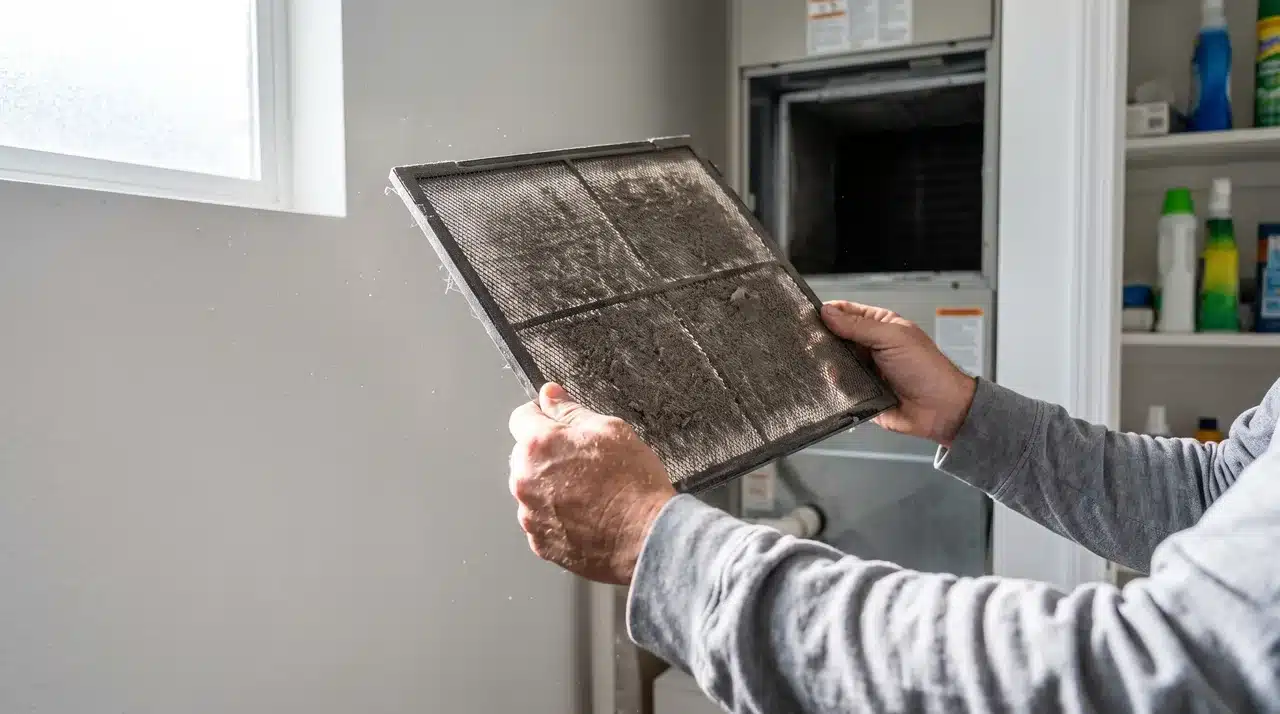
A few simple checks each month can keep your system running efficiently and help prevent bigger problems. I spend just a few minutes on these tasks, and I always start with regular heat pump cleaning.
- Check and Clean the Air Filter: If the filter looks dirty or blocks light, clean or replace it. A clean filter keeps air flowing properly.
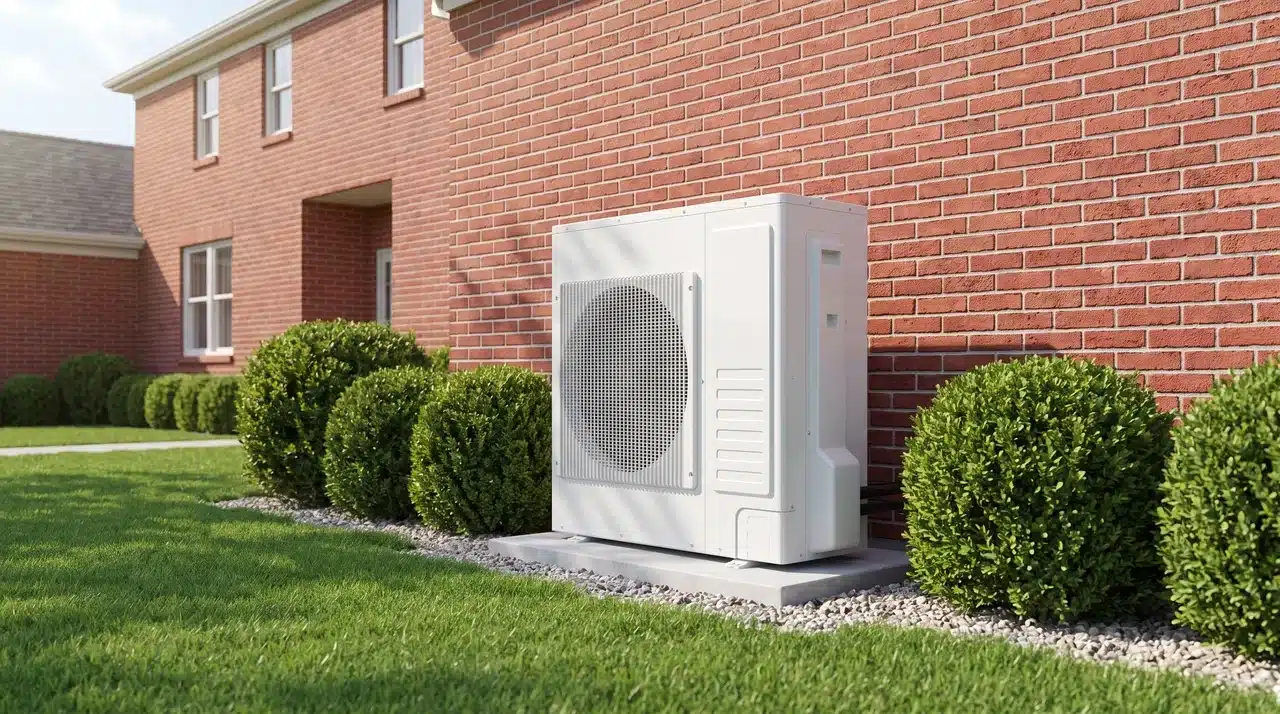
- Inspect the Outdoor Unit: Remove leaves, grass, and debris, and keep 18–24 inches of clear space around the unit.
- Check Indoor Vents and Airflow: Make sure furniture, rugs, or curtains are not blocking the supply or return vents.
- Test the Thermostat: Switch between heating and cooling to confirm the thermostat responds correctly.
- Listen and Look for Warning Signs: Watch for unusual noises, standing water, or ice that doesn’t clear after a normal defrost cycle.
These quick monthly tasks take less than 10 minutes and can help your heat pump run more efficiently while reducing the chance of costly repairs. A little routine care now can help you avoid bigger issues later.
Seasonal Care: What Changes by Time of Year
Monthly checks catch the day-to-day stuff, but twice a year your heat pump has to switch gears entirely, from keeping you cool to keeping you warm. These seasonal checks make sure it’s ready for that shift before the workload doubles.
Spending a few minutes on these tasks can improve performance and help prevent avoidable problems.
Before the Cooling Season
Before warm weather arrives, check the condensate drain line because your heat pump removes moisture from the air while cooling. A clogged drain can cause water to back up and damage nearby floors or walls.
Flush the line with warm water or distilled vinegar if your manufacturer recommends it, and inspect the drain pan for standing water, dirt, or signs of mould.
If the outdoor coil looks dirty, gently rinse it with a garden hose after turning the power off.
Before the Heating Season
Before colder weather sets in, clear leaves, branches, and other debris from around the outdoor unit to keep airflow unrestricted.
It’s also a good time to watch the heat pump’s defrost cycle. A light layer of frost is normal, but the outdoor coil should clear during a normal defrost cycle.
If thick ice remains or keeps returning, have the system inspected by a licensed technician before winter arrives.
Annual Heat Pump Service: What a Technician Does
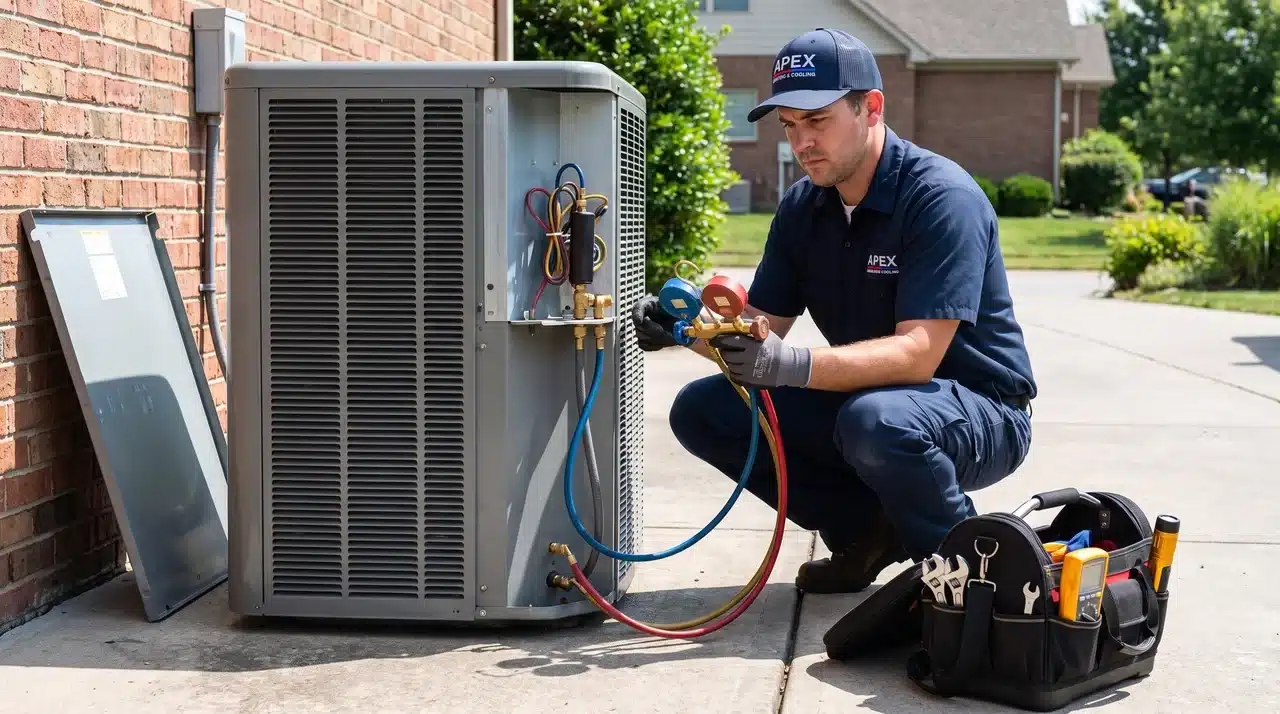
Some parts of heat pump should always be left to a licensed technician.
During an annual service, they check refrigerant levels, inspect for leaks, test electrical components, clean the blower assembly, verify the defrost cycle, and inspect the condensate drain.
These tasks require specialized tools, technical knowledge, and, in some cases, EPA certification to handle refrigerants legally in the United States.
A professional inspection can also catch small problems, like a slightly low refrigerant charge or a worn contactor, before they turn into a compressor failure that costs $1,200 or more to fix.
Annual servicing typically costs $75 to $150, making it a worthwhile investment for keeping your heat pump running safely and reliably.
Because a heat pump works in both heating and cooling modes, most manufacturers and technicians recommend scheduling this service twice a year, once in spring and once in fall, rather than just once.
Each visit typically takes about an hour to 90 minutes, and spacing them out this way means every part of the system gets checked before its busiest season.
Warning Signs Your Heat Pump Needs Maintenance
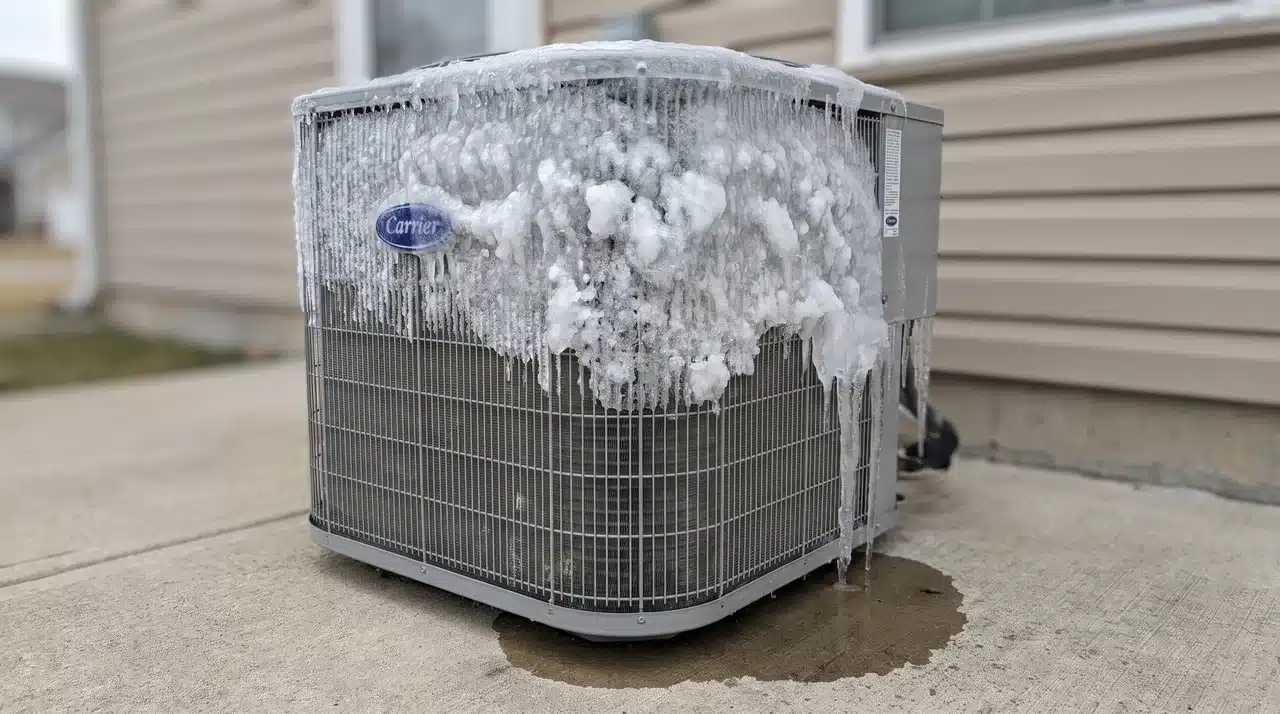
Some changes can be caused by a dirty filter or blocked vent. Others indicate a mechanical, electrical, or refrigerant problem.
- Weak airflow: Air feels noticeably weaker from several vents even after checking the filter and register openings.
- Uneven temperatures: Rooms that were previously comfortable become consistently too hot or too cold.
- Short cycling: The system starts and stops repeatedly without completing a normal cycle.
- Continuous operation: The heat pump runs for unusually long periods in moderate weather and never reaches the set temperature.
- Persistent outdoor ice: Thick ice remains after defrosting or quickly covers the unit again.
- Unusual noises: Grinding, squealing, banging, or persistent buzzing begins during operation.
- Water leakage: Moisture collects around the indoor equipment, drain pan, ceiling or nearby floor.
- Unexpected odors: Burning, electrical or strong musty smells appear while the unit operates.
- Higher energy use: Electricity consumption rises sharply without a clear change in weather, occupancy or thermostat settings.
- Frequent auxiliary heat: Backup heat operates more often than expected for the weather and equipment design.
Turn the system off and seek prompt assistance when there is smoke, sparking, a burning smell, flooding, exposed wiring or repeated breaker trips.
Heat Pump Maintenance Mistakes to Avoid
Common maintenance mistakes can reduce airflow, damage components, and increase repair costs. This table explains what homeowners should avoid and why each habit causes problems.
| Maintenance mistake | Why it should be avoided |
|---|---|
| Ignoring the owner’s manual | Filter sizes, required clearances, cleaning methods, and maintenance schedules vary between heat pump models. |
| Installing the wrong filter | An incorrect size or overly restrictive filter can limit airflow and increase strain on the system. |
| Running without a filter | Dust can collect on the indoor coil, blower, and other internal components. |
| Blocking return grilles | Furniture, curtains, rugs, and storage items can restrict the system’s main airflow path. |
| Closing several supply vents | Excessive vent closure may increase duct pressure and cause uneven heating or cooling. |
| Pressure-washing the outdoor coil | High-pressure water can bend coil fins and force moisture into electrical components. |
| Chipping ice from the unit | Sharp tools can puncture refrigerant coils, damage fins, or injure the person removing the ice. |
| Opening electrical panels | Heat pump components may retain a dangerous electrical charge even after the system is switched off. |
| Adding refrigerant without finding a leak | Refrigerant circulates within a sealed system and should not disappear during normal operation. |
| Ignoring repeated warning signs | Resetting the thermostat may temporarily restart the system but will not correct the underlying problem. |
Following the manufacturer’s instructions and leaving technical work to a qualified technician helps protect efficiency, safety, warranty coverage, and long-term system reliability.
Final Takeaway
Keeping up with heat pump maintenance does not have to take much time, but it can make a real difference in your system’s performance and lifespan.
Once I understood which tasks I could handle myself and which ones needed a professional, the routine felt much more manageable.
Simple monthly checks, seasonal upkeep, and an annual service visit all work together to keep your heat pump running efficiently and help reduce the risk of costly repairs. Start with one small task today, then build the habit over time.
If you have a maintenance tip or question, share it in the comments below; I’d love to hear from you.
Frequently Asked Questions
How often does a heat pump need professional servicing?
Most HVAC pros recommend two professional visits a year for a heat pump, one in spring before cooling season and one in fall before heating season. That’s different from a furnace or standalone AC, which usually only needs one visit, because a heat pump runs double duty, keeping you warm in winter and cool in summer. If your system is older than ten years or runs almost constantly, sticking to that twice-a-year schedule matters even more for catching wear early.
Can I service my heat pump myself?
Homeowners can handle filter changes, outdoor unit cleaning, and condensate drain flushing without any technical training. Refrigerant handling, electrical terminal work, and internal blower cleaning require a licensed technician because the risks and legal requirements associated with these tasks go beyond what a DIY approach can safely cover.
What is the 20-degree rule for heat pumps?
The 20-degree rule is an older rule of thumb rather than a fixed technical standard. It suggests that some older heat pumps may rely more on auxiliary heat as outdoor temperatures drop far below the indoor setting. Many modern cold-climate heat pumps continue operating efficiently in much lower temperatures, so performance depends more on the model than on a fixed 20-degree difference.
How much does professional servicing cost?
A single professional visit generally runs between $75 and $150. Annual service plans that include two visits typically range from $150 to $300, depending on the provider and region. Comparing that cost to a compressor replacement, which regularly runs $1,200 or more, makes the annual maintenance cost feel much more reasonable.