

Your heat pump hums along fine, then your power bill spikes for no clear reason. That’s confusing when nothing in the house feels different.
Heat pump wattage isn’t fixed; it shifts constantly based on outdoor temperature, system size, and how hard the compressor works at any given moment.
A small mini-split can sip under 500 watts one afternoon, then your central system pulls thousands more the next morning during a cold snap.
I’ll break down real wattage numbers by size and BTU rating, show you what drives those swings, and give you a simple way to calculate your own system’s electricity use.
By the end, you’ll know exactly what to expect on your bill.
How Many Watts Does a Heat Pump Use?
Most residential heat pumps use about 1,500 to 5,000 watts while operating. Small mini-splits may run under 1,000 watts at reduced output, while large central systems can reach 6,000 to 7,500+ watts at peak demand.
These values typically include the compressor, outdoor fan, and indoor blower. They do not include electric resistance heat strips, which can add several thousand watts.
Heat pumps move heat rather than generate it directly, often delivering two to four units of heat per unit of electricity under favorable conditions.
Heat Pump Wattage at a Glance
These ranges are general estimates, as inverter systems continuously adjust output.
| Heat Pump Capacity | BTU Rating | Approx. Wattage |
|---|---|---|
| 0.75 ton | 9,000 BTU | 500–1,200 W |
| 1 ton | 12,000 BTU | 700–1,500 W |
| 1.5 tons | 18,000 BTU | 1,000–2,500 W |
| 2 tons | 24,000 BTU | 1,500–3,500 W |
| 2.5 tons | 30,000 BTU | 2,000–4,500 W |
| 3 tons | 36,000 BTU | 2,500–5,500 W |
| 4 tons | 48,000 BTU | 3,200–6,500 W |
| 5 tons | 60,000 BTU | 4,000–7,500+ W |
Quick reference: Most residential heat pumps typically use 1,000–5,000 watts during normal operation, while larger systems or extreme conditions can push usage up to 7,500 watts or more. Auxiliary electric heat strips can add an additional 5,000–20,000 watts depending on system design.
Actual consumption varies by model. Manufacturer specifications should always override general estimates.
Heat Pump Wattage by Tonnage
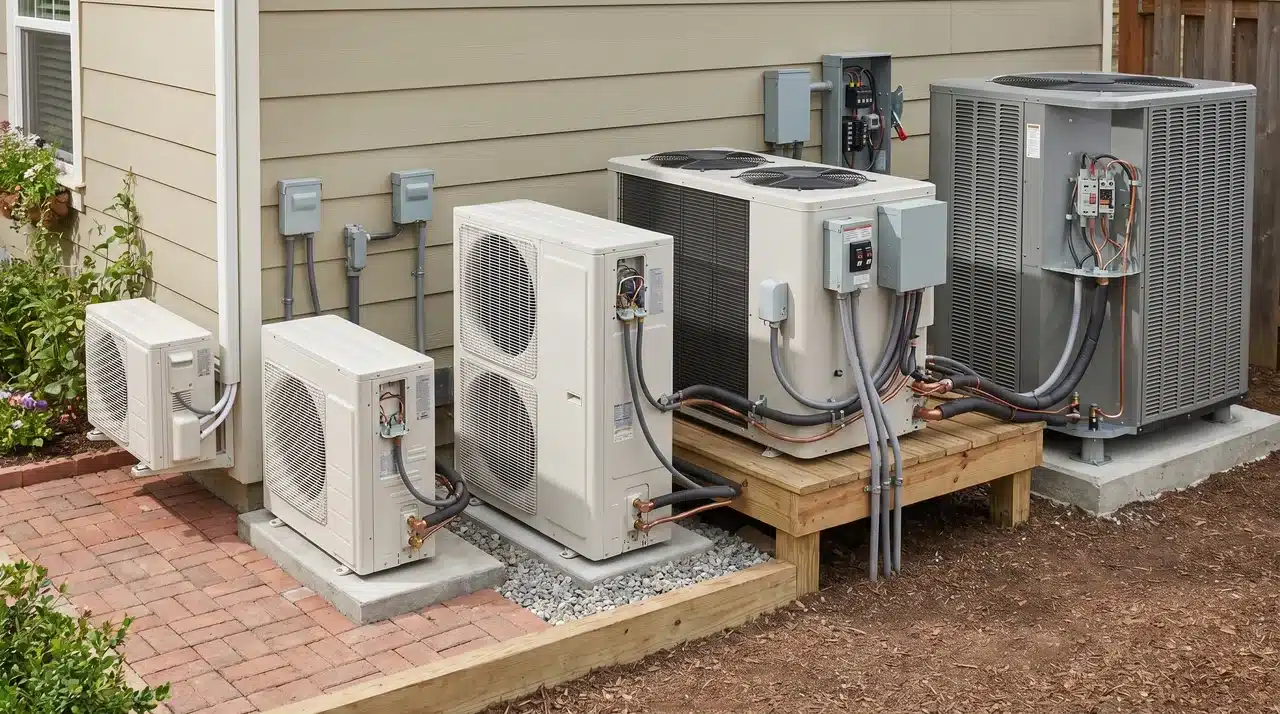
Heat pump wattage varies by system size, efficiency, and operating conditions rather than tonnage alone.
1.5-Ton Heat Pump Wattage
A 1.5-ton heat pump provides about 18,000 BTUs of heating or cooling capacity and typically consumes between 1,000 and 2,500 watts during normal operation. Actual power use depends on outdoor temperature, insulation quality, thermostat settings, and compressor type.
Inverter-driven systems are more efficient because they adjust output continuously, often running at lower wattage once the indoor temperature stabilizes instead of cycling on and off at full power.
2-Ton Heat Pump Wattage
A 2-ton heat pump delivers approximately 24,000 BTUs and generally uses around 1,500 to 3,500 watts while running. This range can increase if the system operates in extreme weather or relies on auxiliary electric heat.
Total electrical demand also includes the indoor air handler, which circulates conditioned air through the ductwork. Poor insulation, leaky ducts, or frequent thermostat adjustments can significantly increase overall energy consumption.
2.5-Ton Heat Pump Wattage
A 2.5-ton heat pump produces about 30,000 BTUs of heating or cooling capacity and typically draws 2,000 to 4,500 watts during operation.
Variable-speed models may use less power during mild conditions by reducing compressor speed instead of shutting off completely. However, wattage can rise during peak heating or cooling demand, especially in poorly insulated homes or during extreme outdoor temperatures that force the system to work harder.
3-Ton Heat Pump Wattage
A 3-ton heat pump, rated at roughly 36,000 BTUs, usually consumes between 2,500 and 5,500 watts depending on efficiency and environmental conditions.
Higher-efficiency inverter systems may operate at the lower end of this range for extended periods, while older or single-stage units may cycle at full power more frequently. Cold weather, defrost cycles, and thermostat recovery periods can all temporarily increase electrical demand.
4-Ton Heat Pump Wattage
A 4-ton heat pump provides about 48,000 BTUs of capacity and typically uses 3,200 to 6,500 watts during operation. These systems are commonly installed in larger homes or buildings with higher heating and cooling loads.
Energy use is influenced by duct design, insulation levels, and system efficiency. If airflow is restricted or the home loses heat quickly, the system will run longer and consume more electricity overall.
5-Ton Heat Pump Wattage
A 5-ton heat pump delivers approximately 60,000 BTUs and may draw 4,000 to 7,500+ watts at peak output. This level of consumption is more common in large residential or light commercial applications.
Power usage increases significantly during extreme temperatures or when electric resistance backup heat is activated. Because of the high electrical demand, proper system sizing and efficient installation are critical to avoid excessive energy costs.
Heat Pump Wattage by BTU Rating
Heat pump wattage varies based on efficiency, compressor type, and outdoor conditions, but the table below gives a practical 20–30W range estimate for planning purposes.
| BTU Size | Approx. Wattage |
| 9,000 | 500–1,200 W |
| 12,000 | 700–1,500 W |
| 18,000 | 1,000–2,500 W |
| 24,000 | 1,500–3,500 W |
| 30,000 | 2,000–4,500 W |
| 36,000 | 2,500–5,500 W |
| 48,000 | 3,200–6,500 W |
| 60,000 | 4,000–7,500+ W |
Electric resistance heat is not included in these values and should be calculated separately because it can significantly increase total heat pump electricity consumption during operation.
How Many Watts Does a 12,000 BTU Heat Pump Use: A 12,000 BTU unit typically uses 700 to 1,500 watts, depending on compressor speed and operating conditions. Inverter models may drop below this after reaching set temperature.
Mini-Split and Central Heat Pump Wattage
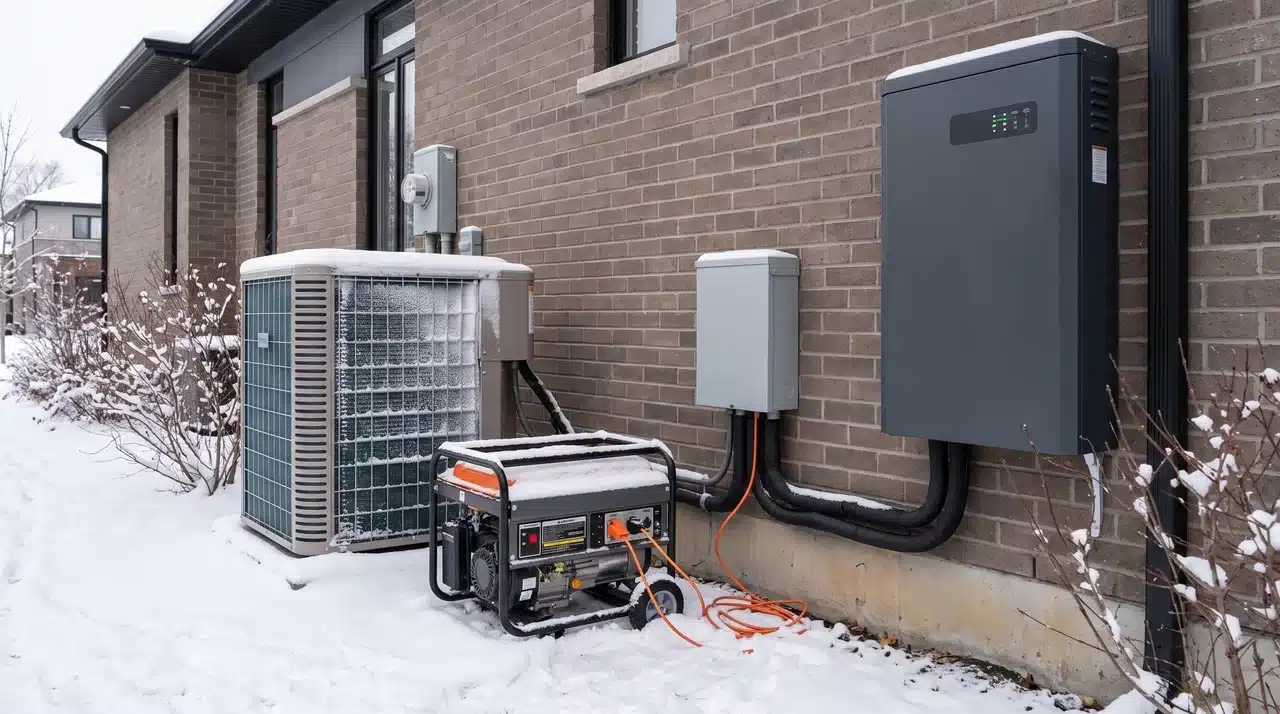
Mini-split and central heat pump systems differ in how they consume electricity, even when they provide similar heating or cooling capacity.
Mini-splits are typically more efficient because they use inverter-driven compressors that adjust speed based on indoor demand.
This allows them to operate at very low wattage, sometimes under 500 watts in mild conditions, while still maintaining comfort.
Central heat pumps, on the other hand, often serve larger spaces through ductwork, which increases airflow resistance and overall energy use.
As a result, they commonly draw between 2,000 and 7,500 watts depending on tonnage and outdoor temperature. Duct losses, blower motor size, and auxiliary heat strips can further increase consumption in central systems.
Mini-splits avoid most duct losses, making them more efficient for zoned heating and cooling, while central systems are better suited for whole-home temperature control but usually require higher overall electrical input during operation
Factors That Affect Heat Pump Wattage
Several system and household conditions influence how much electricity a heat pump draws during normal heating, cooling, and defrost operation.
- Outdoor temperature: Extreme heat or cold increases compressor workload, runtime, and electrical demand.
- Operating mode: Heating, cooling, defrost cycles, and thermostat recovery require different amounts of power.
- Compressor type: Single-stage units run at full output, while variable-speed models adjust wattage according to demand.
- Efficiency ratings: Higher SEER2 and HSPF2 ratings generally indicate lower seasonal electricity consumption.
- Home insulation: Poor insulation, air leaks, and inefficient windows force the system to operate longer.
- System size: Larger heat pumps usually draw more power because they provide greater heating and cooling capacity.
- Thermostat settings: Large temperature changes can increase compressor output and activate auxiliary electric heat.
- Airflow and maintenance: Dirty filters, blocked coils, and leaking ducts reduce efficiency and increase operating time.
Understanding these factors helps homeowners estimate energy use accurately, reduce unnecessary consumption, and identify conditions that may require professional attention.
How to Calculate Heat Pump Wattage and Electricity Use
Start by calculating the heat pump’s approximate electrical demand at a given moment:
Watts = Volts × Amps
For example: 240V × 15A = 3,600 watts
This result is an estimate because actual wattage can change with compressor speed, outdoor temperature, operating load, and system efficiency.
Next, calculate electricity consumption over time: kWh = Watts × Operating Hours ÷ 1,000
For a heat pump using 2,500 watts for eight hours: 2,500W × 8 ÷ 1,000 = 20 kWh per day
To estimate monthly use: 20 kWh × 30 days = 600 kWh per month
Variable-speed heat pumps rarely remain at one wattage continuously, so actual consumption may differ from this calculation.
Heat Pump Wattage Per Square Foot
Heat pump wattage per square foot estimates how much electrical power a system may need to heat or cool a floor area.
If you’re asking what size heat pump do I need, this figure is a useful starting point, though it should be used as a rough planning figure because homes of the same size can have different energy demands. Insulation, air leakage, ceiling height, window area, climate, duct condition, and layout all affect consumption.
A smaller, well-sealed home may require fewer watts per square foot than an older property with poor insulation or large open rooms. Variable-speed systems can also reduce average demand by adjusting compressor output as conditions change.
For accurate sizing, homeowners should combine square footage with a professional heating and cooling load calculation.
Runtime, seasonal temperatures, system efficiency, and local electricity rates should then be considered when estimating energy costs and system performance.
Signs of Excessive Energy Use
Unusual operating patterns can indicate that a heat pump is consuming more electricity than expected or developing a mechanical or airflow problem.
- Frequent auxiliary heat use: Regular backup heat operation can sharply increase electricity consumption, especially during mild weather.
- Unexpected utility bill increases: Higher bills without major weather or rate changes may signal reduced system efficiency.
- Short cycling: Repeatedly starting and stopping wastes energy, reduces comfort, and places additional stress on system components.
- Weak airflow: Poor airflow may result from dirty filters, blocked vents, duct leaks, or blower problems.
- Outdoor unit ice buildup: Persistent heavy ice can indicate restricted airflow, defrost failure, or a refrigerant-related issue.
- Breaker trips: Repeated electrical trips may suggest excessive current draw, faulty wiring, or failing equipment.
- Unusual noises or smells: Grinding, buzzing, rattling, or burning odors may indicate electrical or mechanical damage.
Comparing energy bills with similar weather periods can reveal abnormal consumption, but electrical smells, repeated breaker trips, or smoke require immediate professional attention.
Final Takeaway
Your heat pump’s power draw isn’t random; it moves with tonnage, temperature, and how well your home holds air.
Smaller mini-splits sip power efficiently, while larger central systems need more to push conditioned air through ductwork, and auxiliary heat strips can push demand higher still.
Knowing your system’s approximate heat pump wattage helps you spot problems early, like short cycling or excessive auxiliary heat use, before they show up as a painful bill.
It also helps you size a generator correctly or plan realistic monthly energy costs. Try running the watts-to-kWh calculation on your own system this week, and let me know what you find.
If you’re curious about sizing or efficiency ratings, check out related guides on the blog.
Frequently Asked Questions
Can Breaker Size Show a Heat Pump’s Wattage?
No. Breaker size indicates the maximum current the electrical circuit can safely handle, not the heat pump’s normal power consumption. Use the rated input shown on the equipment label or multiply the measured operating volts by amps for a closer estimate.
Does a Heat Pump Use Electricity While on Standby?
Yes, but standby consumption is usually low. Thermostats, control boards, crankcase heaters, sensors, and connected features may continue drawing a small amount of electricity even when the compressor and indoor blower are not actively heating or cooling the home.
Does Fan-Only Mode Use Less Power?
Fan-only mode generally uses much less electricity because the compressor remains off. The indoor blower may consume roughly 100 to 800 watts, depending on its size, speed, and motor type. However, fan operation does not provide active heating or cooling.
Why Does a Variable-Speed Heat Pump Run for Hours?
Variable-speed systems often run continuously at reduced output rather than repeatedly switching on and off. Longer operation at lower wattage can maintain steadier temperatures, improve humidity control, reduce startup demand, and sometimes consume less electricity than frequent full-power cycles.
Can Thermostat Setbacks Increase Heat Pump Wattage?
Large thermostat changes can temporarily increase electrical demand because the compressor must operate at higher output to restore the selected temperature. Some systems may also activate auxiliary resistance heat, especially during winter, causing a much larger increase in total wattage.
Does a Defrost Cycle Increase Electricity Use?
Yes. During defrost, the system temporarily reverses operation to melt frost from the outdoor coil. The compressor continues running, and auxiliary heat may activate to prevent cold indoor air. This causes a brief increase in electrical demand but is normal during cold weather.