




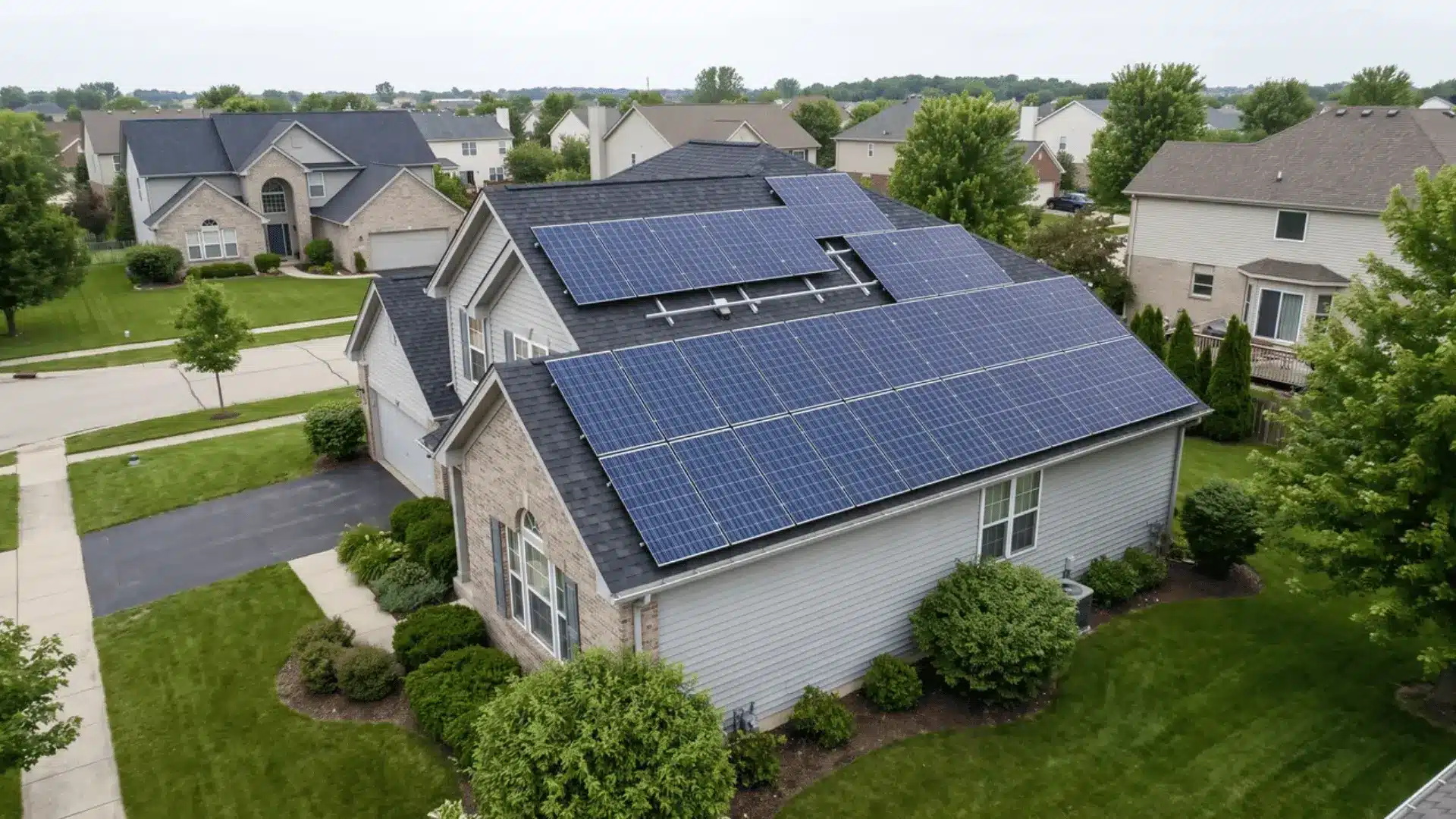
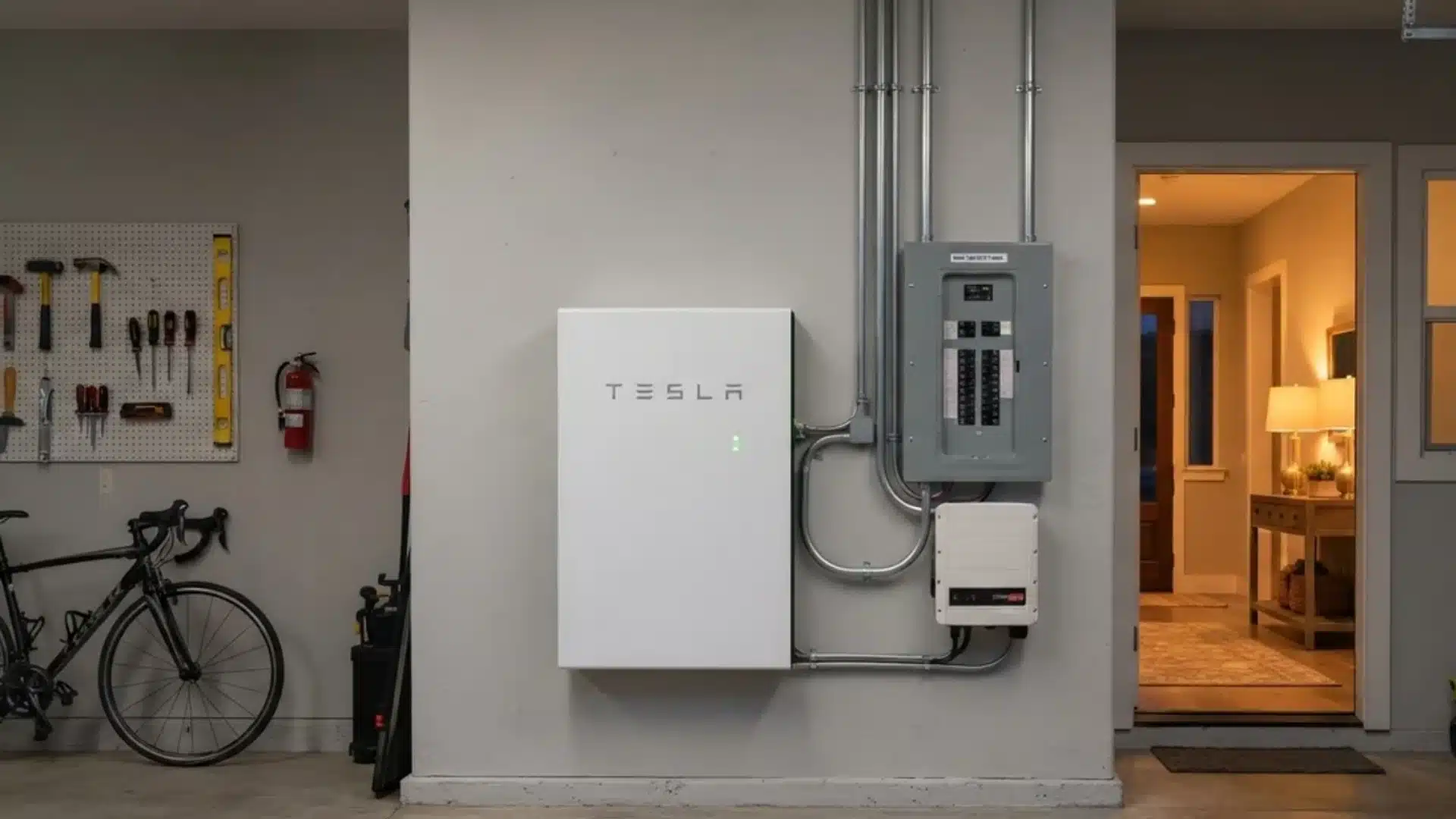
Massachusetts solar incentives can reduce upfront costs and provide ongoing financial benefits from a residential solar system. Available options include SMART 3.0 payments, a state tax credit, net-metering credits, and certain tax exemptions.
The federal residential solar credit has ended for systems placed in service after December 31, 2025, so current state programs carry more weight when comparing quotes.
I recommend checking each incentive separately instead of relying on one advertised “after incentives” price, combining several incentive programs often changes the real total more than a single quoted number suggests. I also suggest confirming eligibility with your utility before signing a contract.
Here is how Massachusetts solar incentives 2026, the MA solar tax credit, and other Massachusetts solar rebates and credits may affect your final cost.
How Massachusetts Solar Incentives Affect Solar Costs
Solar benefits do not all reduce the same expense. Some lower taxes, while others create payments or electric bill credits after your system starts operating.
The state income tax credit may reduce eligible Massachusetts taxes. Sales and property tax rules can also limit certain costs connected with owning solar equipment.
SMART 3.0 works differently because qualifying systems earn money according to electricity production. Net metering deals with extra electricity exported to the power grid.
Several benefits may apply to one project, but approval for one program does not automatically make the system eligible for another. Your utility, property, system size, ownership arrangement, and tax situation can all affect the final result.
Main Massachusetts Solar Benefits at a Glance
Massachusetts has several solar programs with different payment methods and qualification rules. This table gives a quick comparison before looking at each option in detail.
| Incentive | What It Provides | Main Requirement |
|---|---|---|
| SMART 3.0 | Payment for qualifying solar electricity production | Eligible system served by Eversource, National Grid, or Unitil |
| State Income Tax Credit | 15% of eligible net costs, up to $1,000 | Qualifying principal residence in Massachusetts |
| Net Metering | Electric bill credits for eligible power exported to the grid | Approved, qualifying grid-connected system |
| Sales Tax Exemption | Exemption from state sales tax on qualifying equipment | Equipment must meet Massachusetts requirements |
| Property Tax Treatment | Possible exemption for qualifying value added by solar | Depends on property use and local assessment |
| Municipal Utility Programs | Local rebates, loans, or export credits | Property must use a participating municipal utility |
The timing also varies. Tax benefits generally affect taxes, while SMART payments and utility credits build after the system begins producing electricity.
How SMART 3.0 Payments Work

SMART stands for Solar Massachusetts Renewable Target. It rewards eligible system owners based on the electricity their solar panels generate rather than the price they paid for installation.
This production-based structure has some overlap with how community solar payment models calculate subscriber earnings, though enrollment and ownership work differently for each.
Residential SMART 3.0 Rates
Most qualifying residential systems with a capacity of 25 kilowatts or less may receive one of two production rates:
- Standard Rate: Qualifying customers may receive $0.03 for every kilowatt-hour of solar electricity produced.
- Low-Income Rate: Eligible low-income customers may receive $0.06 per kilowatt-hour.
- Payment Period: An approved residential rate is generally fixed for 20 years.
A kilowatt-hour, or kWh, is the same unit used to measure electricity consumption on your utility bill.
Current program details remain linked to an active utility tariff proceeding, so check the Massachusetts SMART 3.0 program information before estimating long-term income.
Example of a SMART Payment
A simple production estimate helps show what these rates mean. Assume a qualifying home solar system produces 8,000 kWh during one year.
| Customer Type | Calculation | Estimated Annual Payment |
|---|---|---|
| Standard customer | 8,000 × $0.03 | $240 |
| Qualified low-income customer | 8,000 × $0.06 | $480 |
At a constant standard rate and production level, that example would equal about $4,800 over 20 years. Actual production can fall or rise over time, so treat long-term figures as estimates rather than guaranteed income.
Massachusetts Residential Solar Tax Credit
Massachusetts provides a state income tax credit for qualifying residential renewable energy expenses. Unlike SMART, this benefit is tied to eligible installation costs instead of electricity production.
Key rules include:
- Credit Amount: You may claim 15% of eligible net solar costs, up to $1,000.
- Property Location: The qualifying home must be in Massachusetts.
- Principal Residence: The property must serve as your main residence.
- Eligible Applicant: An owner or tenant who paid qualifying expenses may be eligible.
- Dependent Rule: Another taxpayer cannot claim the applicant as a dependent.
- Refundability: The credit is nonrefundable and cannot reduce Massachusetts income tax below zero.
- Carryforward: An eligible unused amount may generally carry forward for up to three years.
- Tax Form: Massachusetts Schedule EC is used to claim the credit.
For example, 15% of $18,000 equals $2,700. The state cap limits the available credit to $1,000 even when 15% of eligible costs is higher.
The Federal Residential Solar Credit Has Ended for New Systems
The federal Residential Clean Energy Credit previously covered 30% of qualified residential solar and battery costs. Under the rules cited in the source material, it does not apply to systems placed in service after December 31, 2025.
“Placed in service” generally refers to a system that has been installed and is ready to operate. Signing a contract or paying a deposit before the deadline does not make a later installation eligible.
That difference can have a major effect on quoted savings. Applying an expired 30% credit to a $25,000 system would make the estimated net cost appear $7,500 lower.
The IRS Residential Clean Energy Credit information provides the federal requirements. Check any 2026 proposal carefully if it still includes this credit.
How Massachusetts Net Metering Works
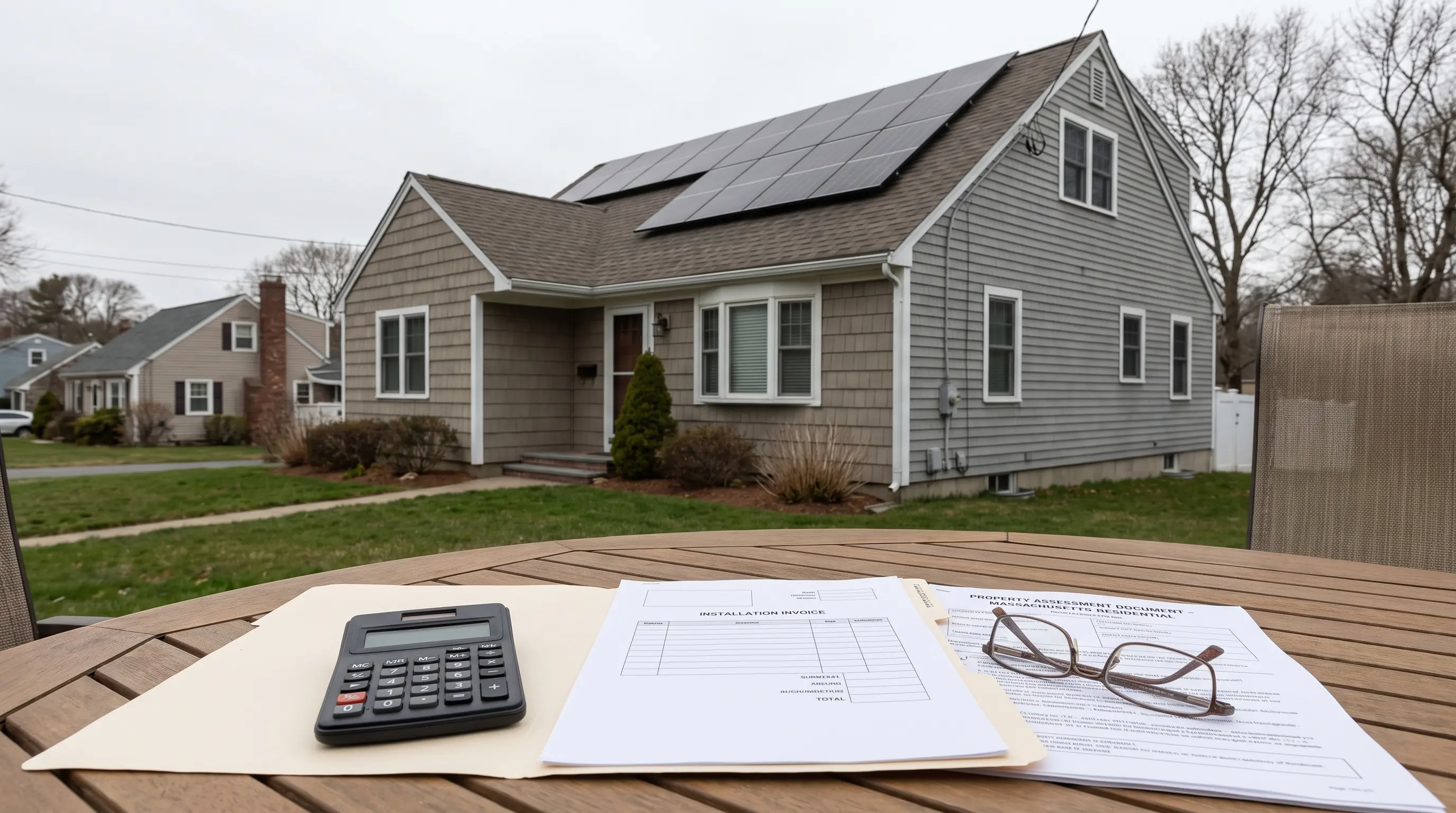
Net metering deals with electricity your solar panels produce but your home does not use at that moment.
The process is fairly simple:
- Your home uses available solar electricity first.
- Extra electricity moves from the solar system to the utility grid.
- An eligible credit is added to your utility account.
- Your home draws electricity from the grid when solar production cannot cover demand.
Eligible residential systems of 25 kW or less can generally participate without obtaining a cap allocation. Utility approval and billing rules still apply.
SMART and net metering serve different purposes. SMART pays based on qualifying solar production, while net metering deals with eligible electricity sent back to the grid.
Check the current Massachusetts net-metering eligibility rules before using projected bill credits in a payback calculation.
Massachusetts Solar Sales and Property Tax Rules
Massachusetts also provides tax treatment that can affect the cost of buying and owning qualifying residential solar equipment.
These benefits are separate from the state income tax credit.
Solar Sales Tax Exemption
Qualifying residential solar equipment is generally exempt from the 6.25% Massachusetts sales and use tax.
The exemption usually applies to eligible solar equipment used at a principal residence. It does not mean every expense listed in an installation proposal automatically receives the same treatment.
Roof repairs, batteries, electrical upgrades, and related work may fall under different tax rules.
Ask the installer to show how sales tax was calculated rather than subtracting 6.25% from the entire project price.
Solar Property Tax Treatment
A qualifying solar installation may receive an exemption for some of the value it adds to a property.
Eligibility can depend on factors such as property use, system ownership, and local assessment rules. The financial effect can therefore differ from one home or municipality to another.
Check with your city or town assessor before adding estimated property tax savings to a solar payback calculation.
Steps for Claiming Massachusetts Solar Benefits
Solar incentives involve several organizations, so keeping the process organized can prevent missed approvals or incorrect savings estimates.
I recommend separating the work into tasks that happen before installation and tasks that matter once the system is complete.
Before Installation
Complete the financial and eligibility checks before committing to a contractor.
- Identify Your Utility: Confirm if the property uses Eversource, National Grid, Unitil, or a municipal light plant.
- Compare Cash Prices: Request several written quotes and compare the base system price before incentives.
- Review Financing: Check loan interest, dealer fees, monthly payments, and total financed cost separately from the cash price.
- Confirm Program Eligibility: Ask whether the proposed system qualifies for SMART 3.0 and net metering.
- Check the Property: Review roof condition and electrical panel capacity before installation.
- Verify Incentive Ownership: Make sure the contract states who receives each available payment, credit, or tax benefit.
Written confirmation gives you a better basis for comparing proposals than a single projected savings figure.
After Installation
Once the project is complete, focus on approvals, records, and actual payments.
- Save Project Records: Keep contracts, invoices, permits, payment receipts, equipment records, and utility correspondence.
- Get Permission to Operate: Obtain the required utility approval before operating the system or exporting electricity.
- Verify SMART Enrollment: Keep proof of acceptance and the approved production rate.
- Check Utility Bills: Review early bills to make sure eligible net-metering credits appear correctly.
- Claim the State Credit: File Massachusetts Schedule EC with the appropriate state income tax return.
Compare actual bills and program records with the amounts promised in the proposal. A missing payment or credit is easier to address when the paperwork is organized.
Conclusion
Massachusetts still provides several ways to improve the financial result of a residential solar project, even though the previous federal residential credit no longer applies to new systems.
SMART 3.0 can provide production income, net metering can reduce electric bills, and state tax rules can lower certain costs. Local utility programs may add another option in some communities.
I would compare projects using the actual cash price first, then add only benefits that have been confirmed for that system.
I also recommend checking who receives each incentive when financing, leasing, or signing a power purchase agreement. That approach gives you a clearer estimate of what the solar system may really cost.
Frequently Asked Questions
What if My Home Uses a Municipal Light Plant?
Municipal light plant customers may not follow the same SMART or net-metering structure as Eversource, National Grid, or Unitil customers. Contact the local utility directly to ask about rebates, loans, and export credits.
Can a Tenant Claim the Massachusetts Residential Energy Credit?
A qualifying tenant who pays eligible renewable energy expenses may be able to claim the state credit. The residence and taxpayer must still meet the applicable Massachusetts requirements.
Who Gets Solar Incentives With a Lease or Power Purchase Agreement?
The solar company may receive some incentives when it owns the equipment. Check the agreement for SMART payments, tax benefits, utility credits, and rules that apply if the property is sold.
When Can I Turn On a Newly Installed Solar System?
Wait for the required utility permission to operate. Installation alone does not necessarily mean the system has approval to send electricity to the grid.
What Solar Records Should I Keep?
Save contracts, invoices, payment receipts, permits, equipment information, utility approvals, SMART documents, and tax records. These documents can help support incentive claims and resolve payment or billing problems.