


Solar incentives in Pennsylvania can look straightforward until you start comparing what different websites actually say.
One page may still mention a federal credit, while another focuses only on state or utility programs. That is where the confusion around Pennsylvania solar incentives really begins.
The rules changed after 2025, and homeowners now need to separate outdated federal guidance from programs that are still available today.
Here, I will break down the incentives Pennsylvania homeowners can actually use, including net metering, Solar Renewable Energy Credits, local rebates, and leasing options.
I will also explain what is no longer available, which programs depend on location or utility provider, and what to check before estimating your potential solar savings at home.
What Are Pennsylvania Solar Incentives?
Pennsylvania homeowners still have several ways to reduce solar costs or improve long-term savings. The main options include net metering, Solar Renewable Energy Credits, local or utility rebates, and third-party leasing arrangements.
One major change affects how homeowners should calculate system costs. The federal residential solar tax credit previously allowed eligible buyers to claim 30% of qualifying expenses, but that credit expired at the end of 2025.
Some older guides still state that the credit continues through 2032 because that was the previous schedule. Homeowners purchasing solar today should not include it in their savings estimates, and it’s worth checking which incentives are still active before running any numbers.
Without that credit, ownership and leasing calculations look different. Net metering, SRECs, and available local programs now play a larger role in determining overall solar savings.
Which Pennsylvania Solar Incentives Are Available to Homeowners?
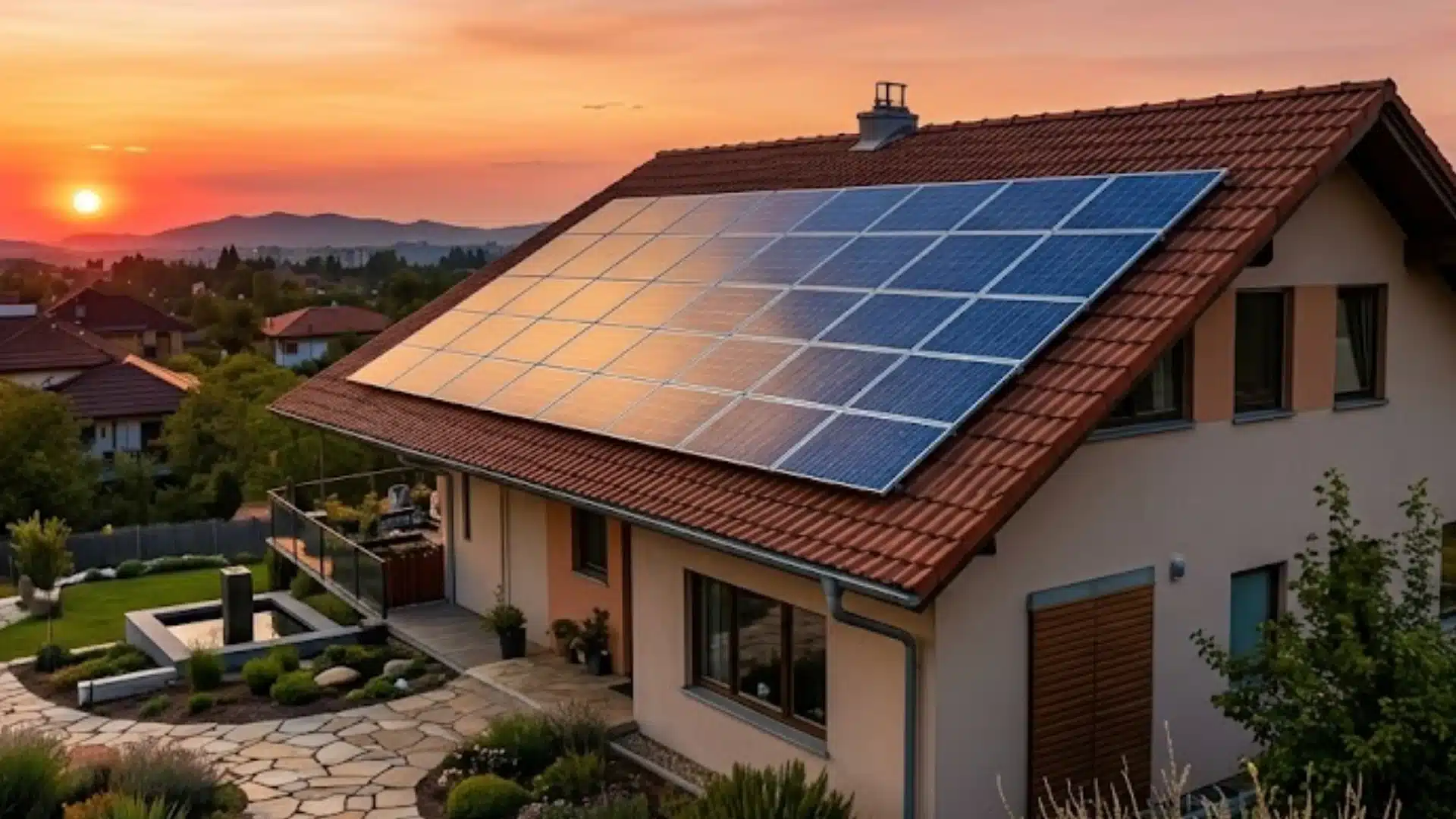
Pennsylvania homeowners can still benefit from several solar programs, but each one works differently and affects upfront costs, monthly bills, or long-term returns.
1. Net Metering
Net metering gives homeowners bill credits when their solar panels send unused electricity back to the grid, helping offset later electricity use. Understanding how utility credits work makes it easier to judge how much value this adds to your bill.
Pennsylvania utilities may apply different enrollment limits, rollover rules, and billing terms, so checking your provider before installation can prevent unexpected charges.
2. Solar Renewable Energy Credits (SRECs)
Solar Renewable Energy Credits let homeowners earn one credit for every 1,000 kilowatt-hours their solar system generates and records through approved tracking.
Homeowners can sell these credits directly or through aggregators, while market prices change regularly based on available supply and buyer demand.
3. Local and Utility Rebates
Local and utility rebates can reduce installation costs, but availability varies widely because Pennsylvania does not offer one universal statewide homeowner rebate.
Homeowners should confirm eligibility, funding status, system-size limits, and application deadlines before including any advertised rebate in their expected solar savings.
4. Third-Party Ownership Through Leases and PPAs
Solar leases and power purchase agreements let third-party companies own the system while homeowners pay monthly charges or purchase generated electricity. Since how these agreements work varies by provider, it’s worth reading the contract terms closely before signing.
These arrangements can lower upfront expenses, but homeowners may give up SREC income and some ownership benefits compared with purchasing their system.
Comparing net metering, SRECs, rebates, and third-party options helps homeowners identify which combination offers the strongest value for their location and ownership plans.
Which Pennsylvania Solar Incentives Are Commonly Misunderstood?
Some programs linked to Pennsylvania solar do not benefit homeowners directly, so understanding these exclusions helps prevent unrealistic savings expectations before installation.
- Solar Energy Program: Pennsylvania’s Solar Energy Program primarily supports qualifying solar businesses and manufacturers, not homeowners paying to install rooftop solar systems.
- Free Solar Panels: Advertisements promising free panels generally refer to leases or power purchase agreements, not systems homeowners receive and own without cost.
- Zero-Down Solar: A $0-down agreement may eliminate an upfront payment, but homeowners still make lease payments or purchase the electricity produced monthly.
- SREC Ownership: With many third-party ownership arrangements, the solar company may retain SREC rights, meaning homeowners do not automatically receive that additional income.
Knowing what these programs exclude makes it easier to compare legitimate incentives, ownership costs, and financing offers without mistaking marketing language for direct savings claims.
Are Pennsylvania Solar Incentives Worth It?
Pennsylvania solar incentives can still improve solar economics, but their value depends on system ownership, utility rules, electricity use, and available local programs.
| Factor | When It Adds Value | What to Consider |
|---|---|---|
| Net Metering | Helps reduce monthly electricity bills | Savings depend on utility rules and how much solar power you use or export |
| SRECs | Creates additional income from solar production | Credit prices can change with market supply and demand |
| Local Rebates | Can reduce upfront installation costs | Programs may have limited funding, deadlines, or location requirements |
| Buying Solar | Keeps ownership benefits and potential SREC income | Higher upfront cost may require cash or financing |
| Leasing or PPAs | Reduces or removes the upfront system cost | The solar company may keep SRECs and other ownership benefits |
For most homeowners, the strongest value comes from combining net metering and SRECs with a well-priced system that matches household electricity needs for years ahead.
How to Claim Pennsylvania Solar Incentives
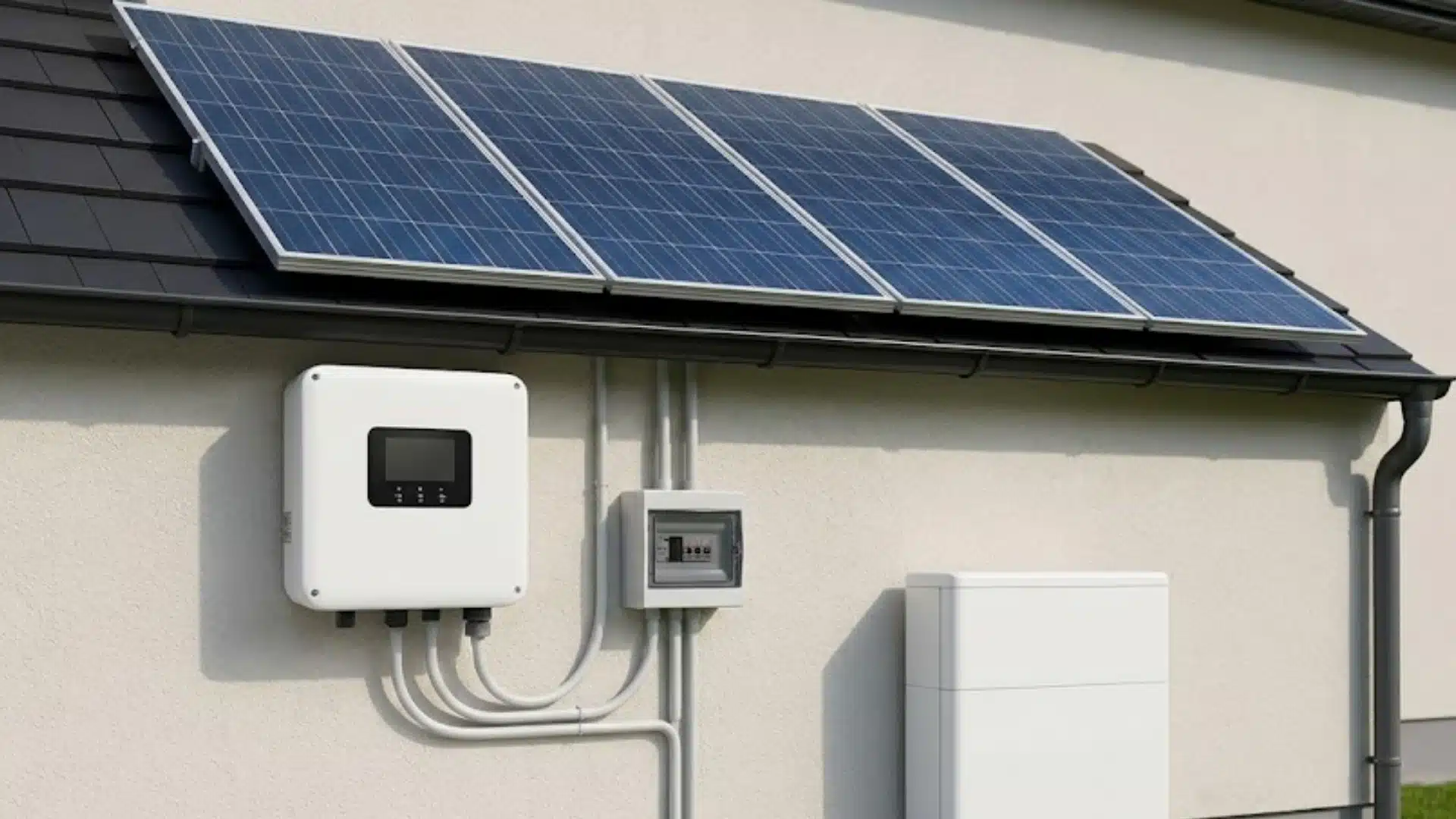
Claiming Pennsylvania solar incentives may require separate applications, utility approvals, and registrations, so reviewing each program beforehand can help prevent missed savings.
- Check Utility Eligibility: Review your electricity provider’s net metering requirements, system-size limits, application process, and interconnection rules before installing solar panels.
- Apply for Net Metering: Submit the required interconnection and net metering forms to your utility, usually with system specifications from your installer.
- Register for SRECs: Enroll your qualifying solar system with an approved tracking platform so its electricity production can generate Solar Renewable Energy Credits.
- Confirm Available Rebates: Check municipal, utility, and local rebate programs before installation because funding, eligibility requirements, and application deadlines can change.
- Review Lease or PPA Terms: Confirm who receives SRECs, available incentives, and other financial benefits before signing any third-party solar agreement.
- Keep Program Documentation: Save applications, approvals, contracts, production reports, and rebate records in case your utility or program administrator requests additional information.
Keeping copies of approvals, contracts, production records, and rebate paperwork makes it easier to track benefits and resolve questions with utilities or administrators later on.
Conclusion
Solar savings in Pennsylvania now depend more on choosing the right ownership setup and understanding which programs actually apply to your home.
The strongest Pennsylvania solar incentives still include net metering, SRECs, local rebates, and third-party financing options.
Each can affect your costs differently, so checking utility rules and current program availability before requesting quotes is worth the effort.
I would start by comparing buying and leasing, then review your utility’s net metering policy and any active local rebates. After that, ask installers for estimates based on the same system size so the numbers are easier to compare.
Have you used any solar incentive in Pennsylvania, or are you considering solar now? Share your experience or questions in the comments below.
Frequently Asked Questions
Is There Still a 30% Federal Solar Tax Credit in Pennsylvania in 2026?
No. The federal residential solar tax credit expired at the end of 2025 for anyone buying a system outright. Some older pages still reference a credit running through 2032, but that number no longer applies to direct purchases. Leasing companies can still claim separate commercial-side credits.
Can You Get Free Solar Panels in Pennsylvania?
Not in the sense of no-cost ownership. What gets advertised as free solar is usually a $0-down lease or power purchase agreement. A third party owns the system, and you pay for the electricity it produces. You don’t own the panels or qualify for SREC income under this setup.
How Much Are Pennsylvania SRECs Worth?
Pennsylvania SRECs generally trade between $22 and $40 per credit. A system earns one credit for every 1,000 kilowatt-hours it produces. Prices shift with market supply and demand, so check current numbers before relying on them for savings estimates on your own system.
Do Net Metering Rules Differ by Utility in Pennsylvania?
Yes. Pennsylvania’s major utilities all offer 1-to-1 net metering at the full retail rate. Specific enrollment caps and rollover rules vary by provider, including PECO, PPL, FirstEnergy, and West Penn Power. Checking your own utility’s terms is the only reliable way to confirm what applies to you.