

Solar battery pricing depends on more variables than a single price tag can show. Home solar battery storage cost includes hardware, electrical work, and permitting most buyers never see coming.
Two neighbors buying the same battery can receive quotes thousands of dollars apart. The difference almost never comes down to the battery itself.
Installers price your specific site, your panel age, your grid connection, and your backup goals. That combination is what determines the real number, not the spec sheet.
Every factor that moves your quote, every incentive that reduces it, and every condition that determines whether storage makes sense for your home is covered ahead.
How Much Does a Home Solar Battery Cost to Install?
Most homeowners pay $9,000 to $18,000 installed before incentives. That range holds for most buyers in 2026l; the 30% federal purchase credit ended for anyone paying cash or financing with a loan.
Leasing the system or financing through a solar company’s power purchase agreement can still route a credit through the installer, and state programs in places like California, New York, and Colorado can knock another $5,000 to $16,000 off the total.
| System Size | Installed Cost | Best For |
|---|---|---|
| 5 kWh | $5,000 to $7,000 | Critical devices only |
| 10 kWh | $9,000 to $13,000 | Essential appliances |
| 13.5 to 20 kWh | $12,000 to $22,000 | Whole-home backup |
Budget by usable kWh, not nameplate capacity. Most systems land between $1,200 and $1,600 per usable kWh, which lets you compare quotes of different sizes on equal footing.
What the Major Battery Brands Cost and How They Differ?
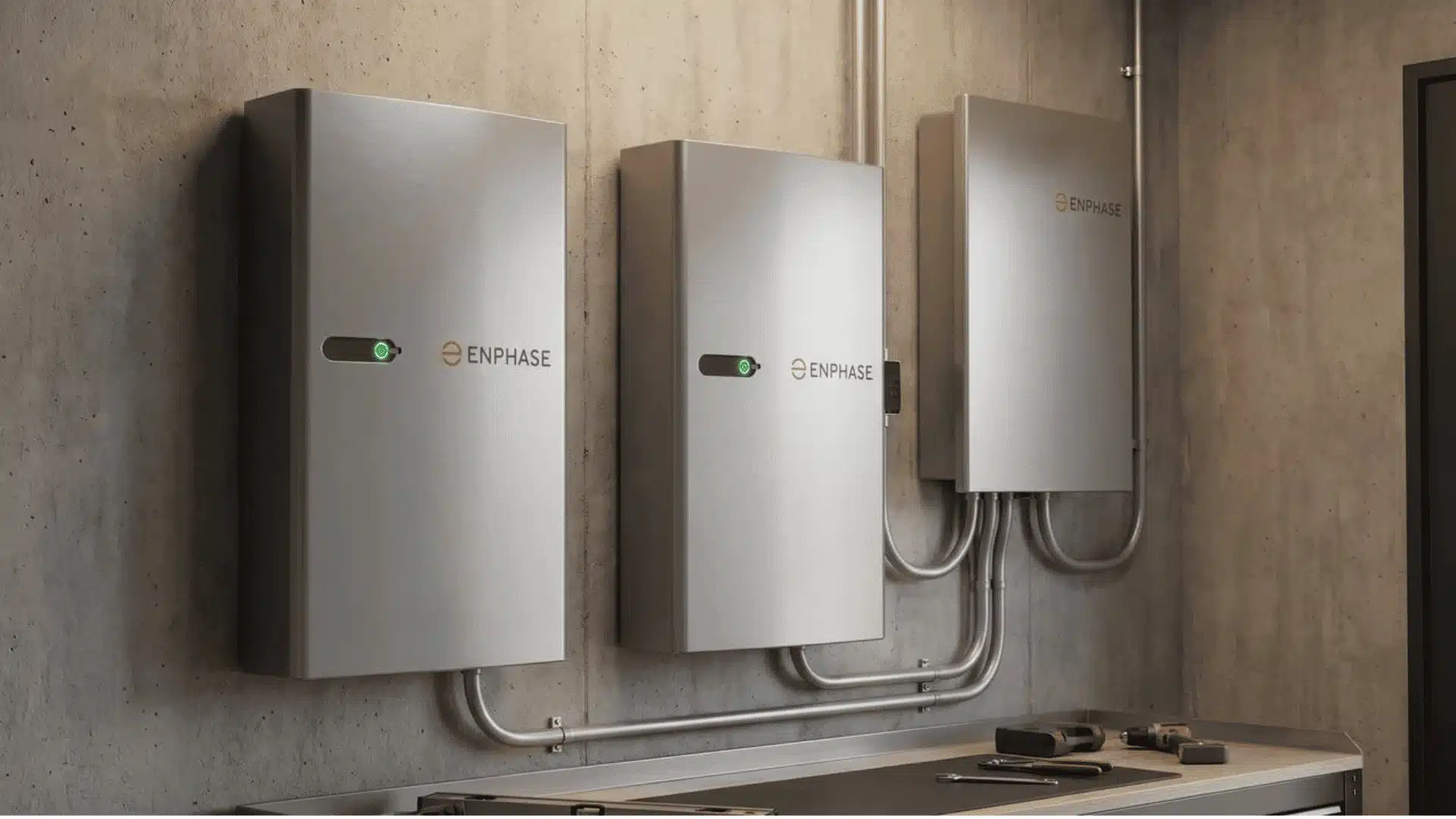
Battery prices vary more by ecosystem and warranty structure than by raw capacity. Two 13.5 kWh systems can differ by thousands based on what each requires to function.
| Brand | Price per kWh | Typical Size | Installed Cost | Key Differentiator |
|---|---|---|---|---|
| PointGuard Energy | $706 | 15.6 kWh | $11,014 | Lowest cost per kWh on the market; newer brand |
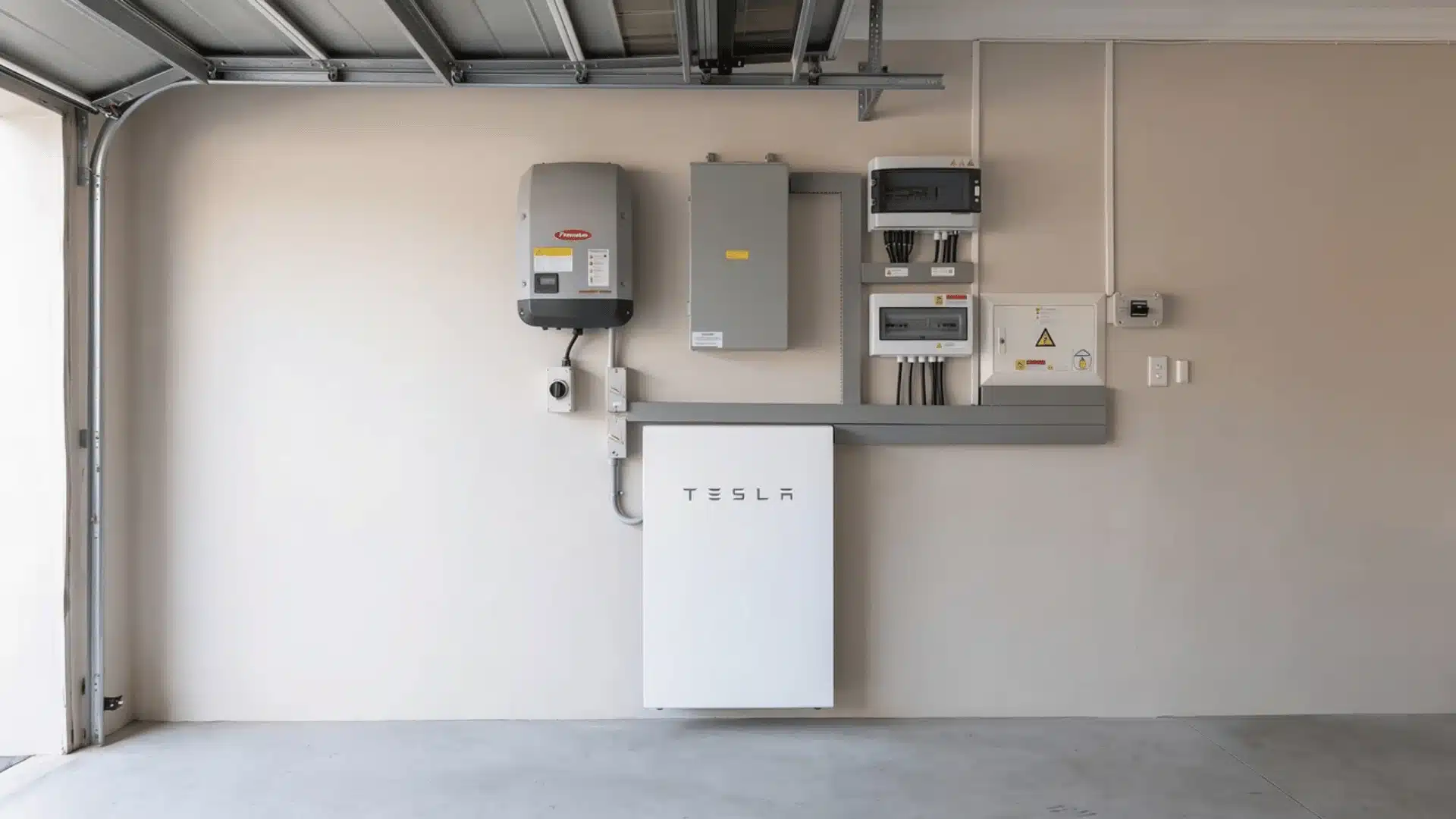
| Tesla Powerwall 3 | $1,018 | 13.5 kWh | $13,743 | Closed ecosystem; tight integration with Tesla solar and app |
| APsystems | $974 | 10.2 kWh | $9,935 | Lower total cost due to smaller typical system size |
| Fox ESS | $1,133 | 7.1 kWh | $8,044 | Smallest typical install; lowest total cost on this list |
| FranklinWH | $1,197 | 15 kWh | $17,955 | Newer entrant; often stronger warranty throughput than legacy brands |
| EG4 | $1,279 | 12.9 kWh | $16,499 | Mid-tier pricing with larger typical capacity |
| SolarEdge | $1,366 | 9.7 kWh | $13,250 | Best paired with existing SolarEdge inverters |
| Enphase IQ Battery | $1,419 | 10 kWh | $14,190 | Modular; pairs exclusively with Enphase microinverters |
| Schneider Electric | $1,437 | 10 kWh | $14,370 | Highest price per kWh on this list |
| Sigenergy | N/A | 17.5 kWh | N/A | Largest typical capacity; pricing data not yet available |
Pricing above reflects current per-kWh installed costs compiled from solar marketplace quote data. Installers update bids regularly, so treat these figures as a comparison baseline for evaluating your own quotes, not a guaranteed price.
Three patterns worth noting before you choose:
- Ecosystem lock-in is a long-term cost. Tesla and Enphase require staying within their own inverter families. Switching hardware later adds expense beyond the battery itself.
- Newer brands can outperform on warranty. PointGuard and FranklinWH carry less name recognition but warranty their batteries for more total lifetime energy throughput, the actual kWh you’re guaranteed to cycle through the battery over its life, than some legacy competitors, even though their brand names carry less recognition
- Modular flexibility costs more per kWh. Enphase carries the highest per-kWh price on the list, but expands in smaller increments than single-unit systems.
The brand you choose sets the rules for your system for the next decade. Prioritize ecosystem fit and warranty throughput over the lowest number on the quote.
Does Battery Chemistry Change What You Pay?
Nearly every battery on the market runs on one of two lithium-ion chemistries: nickel manganese cobalt (NMC) or lithium iron phosphate (LFP). The difference shows up in price, safety margin, and lifespan.
NMC packs more energy into a smaller footprint, which is why some higher-density systems still use it.
LFP gives up a little of that density in exchange for a longer cycle life and a wider safety margin. It’s more resistant to thermal runaway, which matters for a battery sitting in a garage or on an exterior wall.
Most residential brands, including Tesla’s newer packs and most of the newer ones on this list, have shifted to LFP for that reason. It costs slightly more per kWh to manufacture, but the added cycle life often lowers the effective cost per kWh over the battery’s full lifespan.
When you’re comparing quotes, ask which chemistry is inside the box, not just the brand printed on the outside.
What Actually Drives the Final Installed Price?
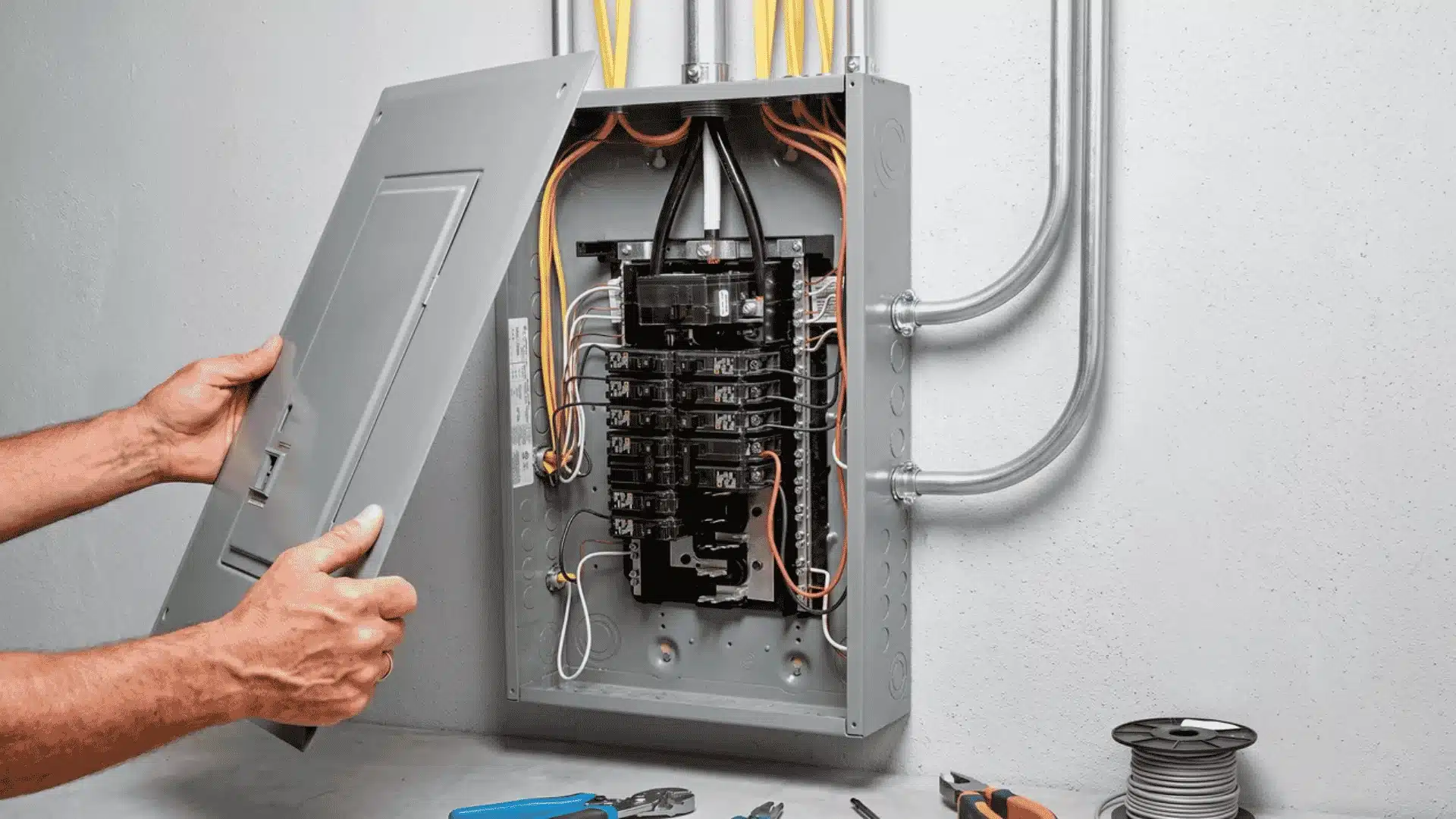
The battery is only part of what you pay for. The rest covers hardware, electrical work, and permitting, which vary by your type of solar battery backup system.
Three categories make up that gap:
- Balance-of-system hardware covers inverters, gateways, and meters that connect the battery to your home and grid.
- Electrical work covers subpanel upgrades, new wiring runs, and grid-disconnect switches your existing setup may require.
- Permitting and labor vary more by zip code than by brand. Two identical installs in different counties can differ by $1,000 or more.
Ask your installer to itemize each category before comparing bids. Here is what each one typically costs:
| Cost Component | Typical Range | What Drives It |
|---|---|---|
| Battery (per usable kWh) | $1,200 to $1,600/kWh | Brand, capacity, warranty throughput |
| AC-coupling (retrofit only) | $1,500 to $3,000 | Separate inverter required to convert power twice |
| Gateway or meter | $500 to $1,500 | System architecture and brand requirements |
| Subpanel upgrade | $1,500 to $3,000 | Panels under 200 amps or whole-home backup setups |
| Permits | $200 to $800 | Jurisdiction, approval timelines vary from weeks to months |
| Labor | $1,000 to $2,500 | One to three days, priced by zip code not brand |
DC-coupled systems avoid the AC-coupling line entirely, making new solar-plus-storage installs cheaper than retrofits on equivalent hardware. Always confirm usable kWh rather than nameplate capacity when comparing quotes, since some systems derate storage to protect battery life.
Are Solar Batteries Worth the Cost?
Solar batteries deliver value through two independent drivers: financial arbitrage on electricity rates, and backup resilience during outages. The right question is which one applies to your situation.
When Financial Arbitrage Works
Time-of-use pricing is the prerequisite. If your utility charges peak and off-peak rates, storing cheap solar power and discharging during peak hours creates real monthly savings. Installing battery and solar together at the same time also avoids separate permitting costs that add up on a retrofit.
When Resilience Justifies the Cost
Frequent outages, medical equipment, or a home office can make backup power worth the investment regardless of payback math. Resilience value does not show up in a calculator, but the cost of being without power often does.
When Neither Driver Is Strong Enough
Flat-rate utility pricing removes the arbitrage case entirely. A reliable grid with rare outages removes the resilience case. Retrofitting after solar adds AC-coupling and separate permitting costs that further stretch the payback period.
Know which driver applies to your home before running any numbers. A battery that solves a real problem for your household is worth more than any generic payback estimate suggests.
Conclusion
Solar battery pricing has more moving parts than the sticker price suggests. The unit cost is just the starting point, and your site is what determines everything after that.
The right system size, the right ecosystem, and the right ownership structure can mean thousands of dollars difference in what you actually pay.
Your situation, your electricity tariff, your grid reliability, and your backup priorities are what determine whether a battery genuinely makes financial sense for your home.
Get three installer quotes, confirm your usable kWh figure, and check which state rebates you qualify for before committing to anything. If a credit shows up on a quote, ask whether it’s coming through a lease or PPA, the purchase-based federal credit no longer applies in 2026.
Frequently Asked Questions
How much does a 10 kWh solar battery cost installed?
A 10 kWh system typically costs $9,000 to $13,000 fully installed. The 30% federal purchase credit ended for systems placed in service after December 31, 2025, so cash and loan buyers in 2026 pay the full range. Leasing or financing through a PPA can still bring a credit into the price through the installer. Final price also depends on brand, panel age, and local permitting fees, which can add $1,000 to $3,000 beyond hardware.
Can I add a battery to an existing solar system?
Yes, but retrofits cost more than installing battery and solar together. AC-coupled retrofits require an additional inverter, adding $1,500 to $3,000 to the project. If you’re buying outright, know that the federal purchase credit no longer applies in 2026 — retrofits and new installs are priced the same on that front. Ask your installer whether a lease or PPA structure is available if a federal credit matters to your decision.
How long will a home solar battery power a house?
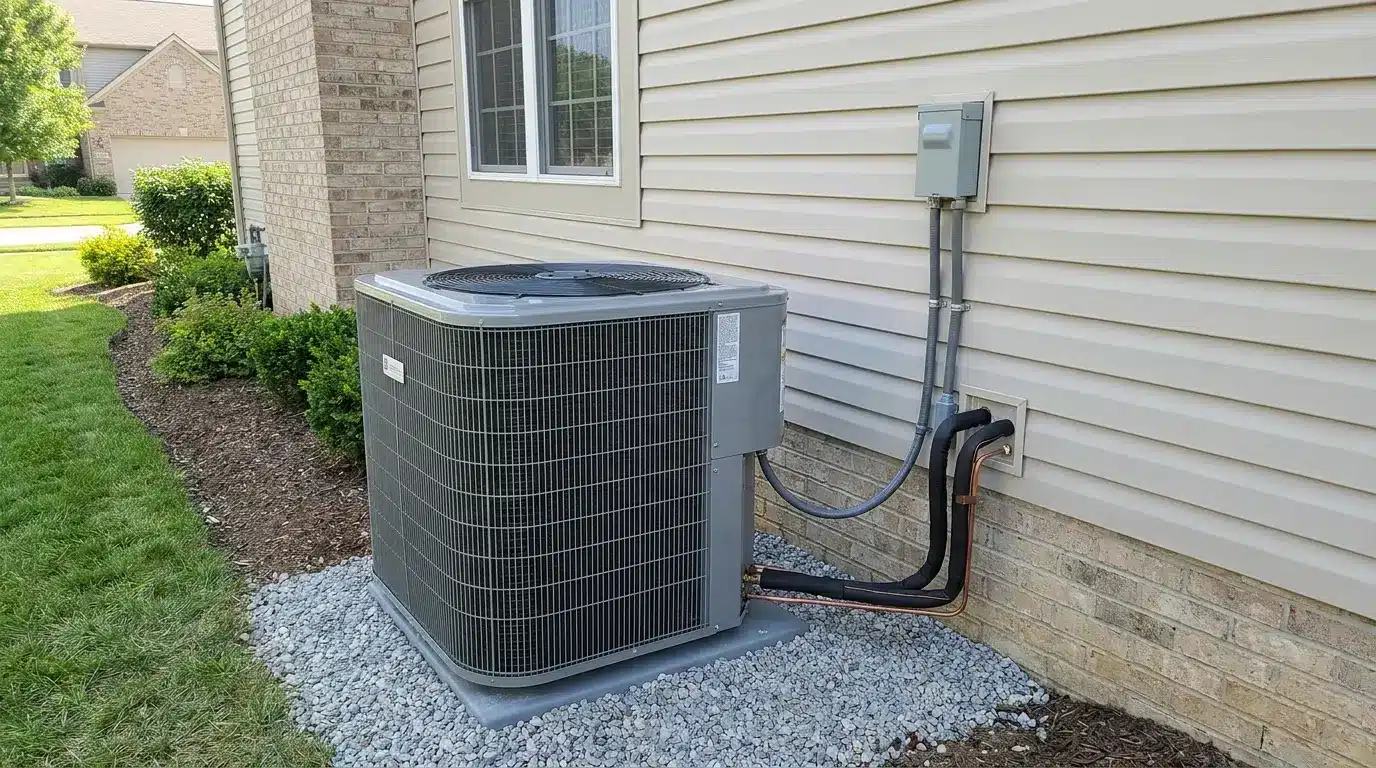
A 13.5 kWh battery covers essential appliances, refrigerator, lights, phone charging, and a few outlets, for roughly 12 to 24 hours. Whole-home backup including HVAC requires 20 kWh or more and lasts 8 to 16 hours without solar recharging. Daily solar recharge extends backup capacity indefinitely in most climates.
Does a solar battery increase home value?
Evidence for battery storage specifically is limited and varies by market. Appraisers have far more comps connecting solar panels to resale value than they do for batteries alone, since batteries are newer and harder to isolate as a separate line item. Homes in high-outage or high-rate areas show stronger valuation effects.