


Rising electricity costs can make solar look like a practical way to reduce what you buy from the grid. But installing more panels than necessary increases upfront costs, while installing too few can leave a large part of your electricity use uncovered.
If you’re asking how many solar panels do I need to power my house, the answer for most U.S. homes depends mainly on annual electricity consumption, local sunlight, panel wattage, and usable roof space.
I recommend starting with your last 12 months of electricity use rather than guessing from home size. Once you know that number, a simple calculation can give you a realistic starting point before you compare installer quotes.
How Many Solar Panels Your House Needs?
Most U.S. homes need roughly 15 to 25 solar panels to offset a large share or potentially all of their annual electricity consumption.
The U.S. Energy Information Administration reports that an average U.S. household uses roughly 10,500 kWh of electricity per year. A household around that level often falls near the middle of the typical solar panel range.
Your number may be different.
A home with electric heating, central air conditioning, a pool, or an EV can require more capacity. A household with lower electricity consumption may need fewer panels.
Location also matters because the same solar array can produce different amounts of electricity in Arizona, New York, Florida, or Washington.
Solar Panels Needed by Yearly Electricity Use
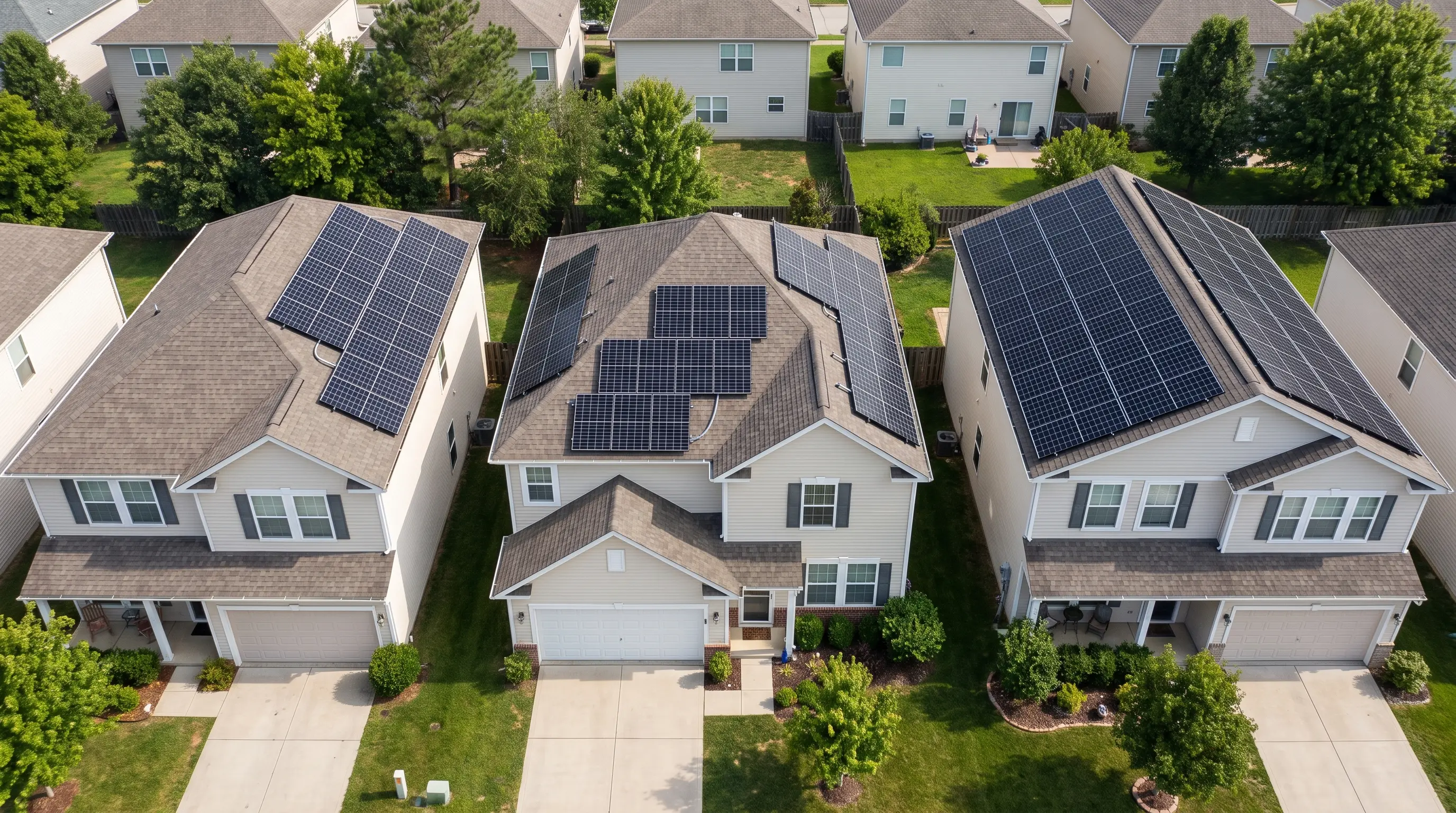
Annual electricity consumption is one of the strongest starting points for estimating panel requirements. The table below provides a useful range when considering modern panels around 400 watts each.
| Yearly Electricity Use | Estimated 400W Panels Needed |
|---|---|
| 8,000–10,000 kWh | 15–20 panels |
| 10,000–12,000 kWh | 18–25 panels |
| 12,000–15,000 kWh | 22–30 panels |
These figures are estimates rather than fixed installation requirements. Your local solar production, roof conditions, system losses, and individual panel output can move the final number higher or lower.
Check your utility account or last 12 electric bills to find your annual kWh use. Understanding what a kWh actually measures makes this number easier to interpret before making a more detailed calculation.
Key Factors That Change Your Panel Count
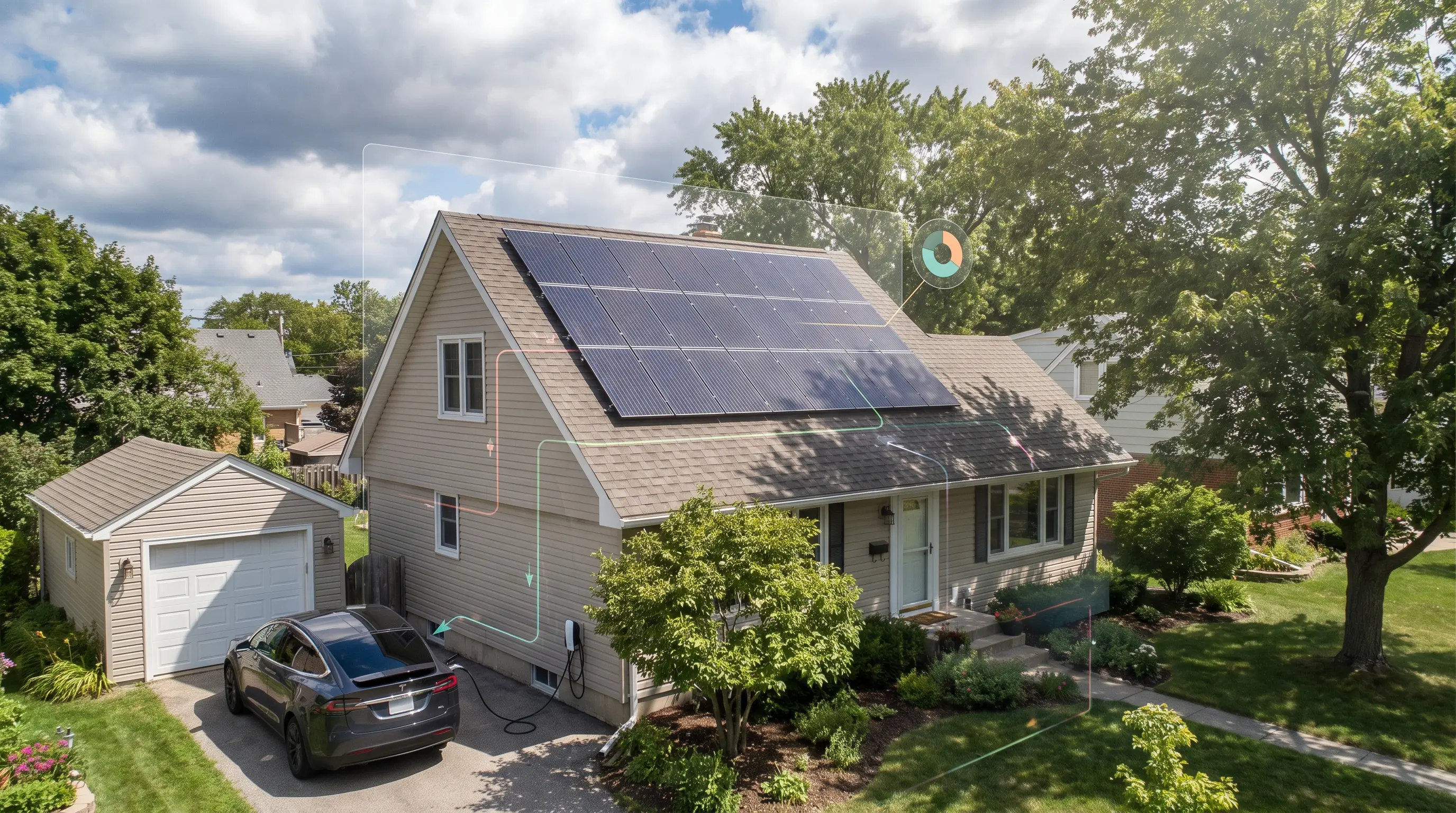
Several factors determine why two similar homes may need very different solar systems.
- Energy usage: Electric heating, air conditioning, water heating, pool equipment, large appliances, and EV charging can increase annual electricity demand. Higher consumption generally requires a larger solar array.
- Location: A panel receiving stronger year-round sunlight can generate more electricity than the same panel installed in a cloudier location. Homes with lower solar production usually require greater system capacity.
- Panel wattage: Modern residential panels commonly fall around the 400-watt range, although output varies by model. Higher-wattage panels can provide the same system capacity using fewer physical panels.
- Roof conditions: Shade, roof direction, pitch, vents, chimneys, and how panel dimensions fit your roof affect how productive your array can be. Limited roof space may make higher-efficiency panels more useful.
Reviewing these factors alongside annual electricity consumption gives you a far better estimate than relying on square footage alone.
How to Calculate Your Solar Panel Count
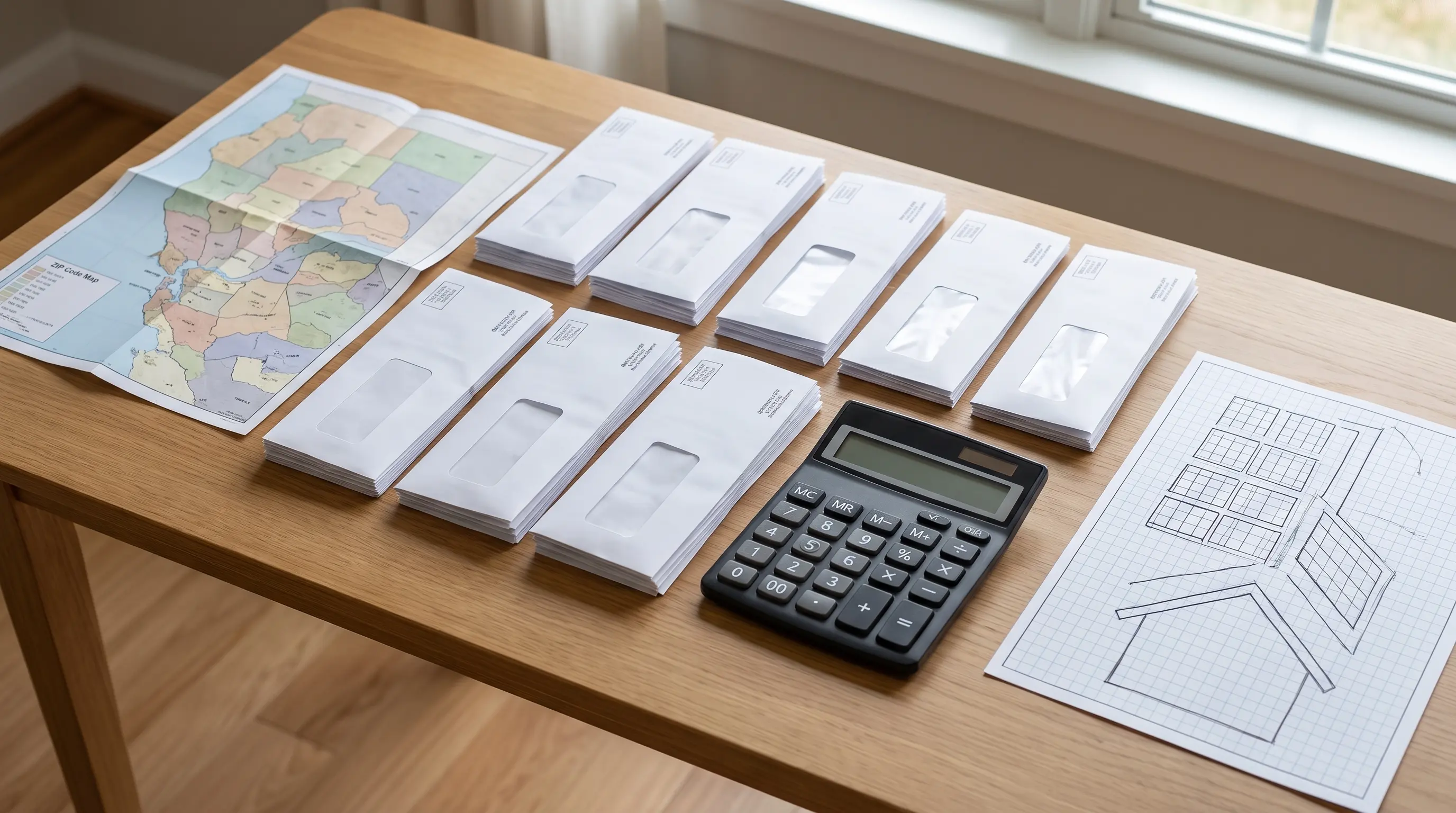
You can estimate how many solar panels are needed to power a house using three main pieces of information: annual electricity consumption, local solar production, and panel wattage.
Step 1: Find Your Yearly Energy Use
Start with your annual electricity consumption in kilowatt-hours. Many utility accounts show a 12-month usage history. If yours does not, add the kWh totals from your previous 12 monthly bills.
Use electricity consumption rather than the dollar amount of the bill because utility rates vary by location.
Step 2: Estimate Local Solar Production
Your location determines how much annual electricity a solar system can generate.
One common sizing approach uses a production ratio representing the relationship between installed solar capacity and expected yearly electricity generation. Depending on local sunlight and system conditions, an illustrative ratio may fall around 1.3 to 1.6.
For an actual installation, use location-specific solar production data rather than assuming one national figure.
Step 3: Divide by Panel Wattage
Once you know the solar system capacity you need, divide that capacity by the wattage of each panel.
For example, a 400-watt panel equals 0.4 kW. If your calculation shows that you need an 8.6 kW system: 8.6 kW ÷ 0.4 kW = 21.5 panels
Since you cannot install half a panel, that estimate rounds up to 22 panels.
Example Solar Panel Calculation
Suppose your household consumes 12,000 kWh per year and your location supports an estimated production ratio of 1.4.
12,000 ÷ 1.4 = 8,571 watts
That equals approximately an 8.57 kW solar system.
Now divide the required system size by a 400-watt panel: 8.57 kW ÷ 0.4 kW = 21.4
The estimated requirement would therefore be approximately 22 solar panels.
Treat this as a planning estimate. A final system design should also account for shading, panel orientation, equipment losses, local weather, and installer modeling.
How Home Size Affects Solar Panel Requirements
Home size can provide some context, but it should not be the main factor used to size a solar system.
A 2,000-square-foot home with gas heating and efficient appliances may consume less electricity than a 1,500-square-foot all-electric home with an EV and heavy air-conditioning use.
That is why panel-count estimates based only on square footage can be misleading.
If two homes have identical floor areas but one consumes 8,000 kWh per year and the other consumes 14,000 kWh, their solar systems should not be the same size.
Use annual electricity consumption first and square footage only as supporting information.
What Happens When Your Solar Panel Count Is Wrong?
Installing too little or too much solar can reduce the financial value of your system.
Too few panels may leave a significant gap between annual solar production and household consumption. You will continue buying the remaining electricity from your utility.
Too many panels increase your initial installation cost. Extra production may still be useful, but its financial value depends on your utility’s export compensation, net-metering rules, and future electricity needs.
A well-sized system should balance expected annual consumption with realistic solar production.
It should also consider upcoming changes such as an EV, heat pump, pool, home addition, or conversion from gas appliances to electric equipment.
Getting an Accurate Number for Your Home
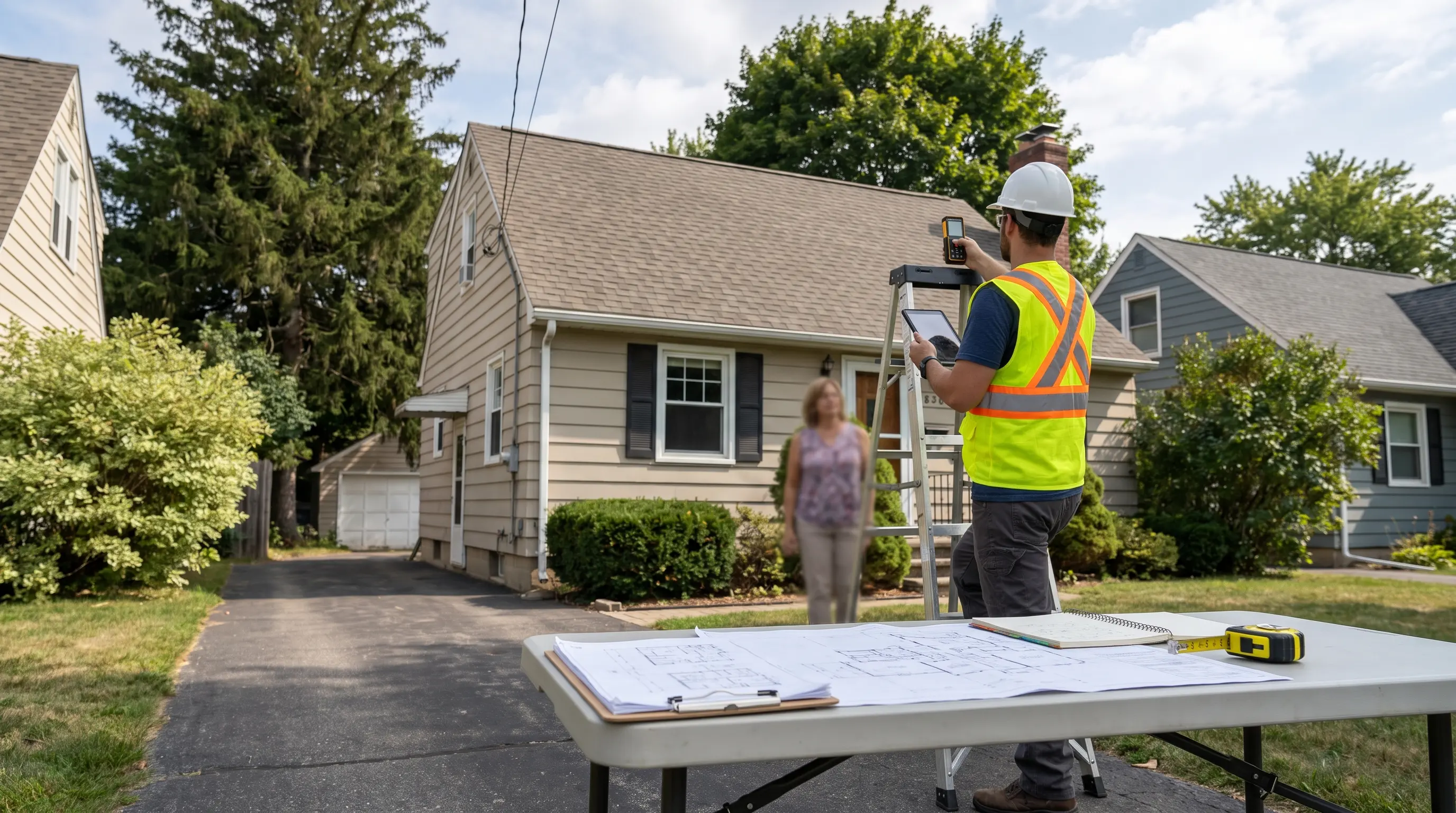
A calculation gives you a strong starting point, but a roof and site assessment helps confirm the final system design.
Before requesting solar quotes:
- Gather 12 months of electricity use: Download your annual kWh consumption so each installer sizes the system from the same starting point.
- Provide your ZIP code: Location helps determine expected sunlight and annual solar production.
- List future electrical loads: Mention planned EVs, heat pumps, electric water heaters, pool equipment, or home additions before the system is designed.
- Check your roof conditions: Roof age, direction, slope, shading, and available area can determine how many panels can be installed effectively.
Giving every installer the same information also makes competing proposals easier to compare.
Should You Add Extra Panels for Future Electricity Use?
A small amount of additional capacity can make sense when you reasonably expect your electricity consumption to increase.
For example, buying an EV or replacing a gas furnace with a heat pump could significantly change your annual kWh use.
However, there is no universal rule requiring every homeowner to oversize a system by exactly 20%.
Estimate the electricity your planned upgrades will consume and include that amount in your projected annual usage instead. This produces a more defensible system size than applying an arbitrary percentage.
Local utility rules may also limit system sizing or affect how excess solar production is compensated.
Finbal Thoughts
Finding how many solar panels are needed to power a house starts with your electricity use, not the size of your roof or a national average. Most homes may fall somewhere around 15 to 25 panels, but your actual requirement can be higher or lower.
I recommend checking your annual kWh consumption first, then adjusting for local solar production, panel wattage, roof conditions, and future electrical loads.
Once you have that estimate, compare it with the expected annual production shown in installer proposals. Do not judge quotes only by panel count.
A properly sized system should match the way your household uses electricity while leaving room for realistic changes you already plan to make.
Frequently Asked Questions
How Many Solar Panels Does a 2,000 Sq Ft Home Need?
There is no fixed number based on 2,000 square feet alone. Many homes may fall around 18 to 26 panels, but annual electricity consumption provides a better estimate because heating, cooling, appliances, occupancy, and EV charging can change usage substantially.
What Is the 20% Rule for Solar Panels?
Some homeowners use a 20% sizing buffer when expecting future electricity demand, but it is not a universal solar requirement. A better approach is to estimate the actual additional kWh from planned EVs, heat pumps, appliances, or home additions.
Why Is My Electric Bill Still High With Solar Panels?
Your bill may remain high if electricity consumption exceeds solar production, the system is undersized, shading reduces output, or your utility charges fixed fees. Compare your system’s actual kWh production with your household’s electricity consumption to identify the cause.
Can Solar Panels Run Air Conditioning?
Yes. Solar electricity can help supply an air conditioner, but AC systems can consume substantial energy during hot weather. Include your actual cooling consumption when sizing the array so expected annual solar production reflects your household’s full electricity demand.