

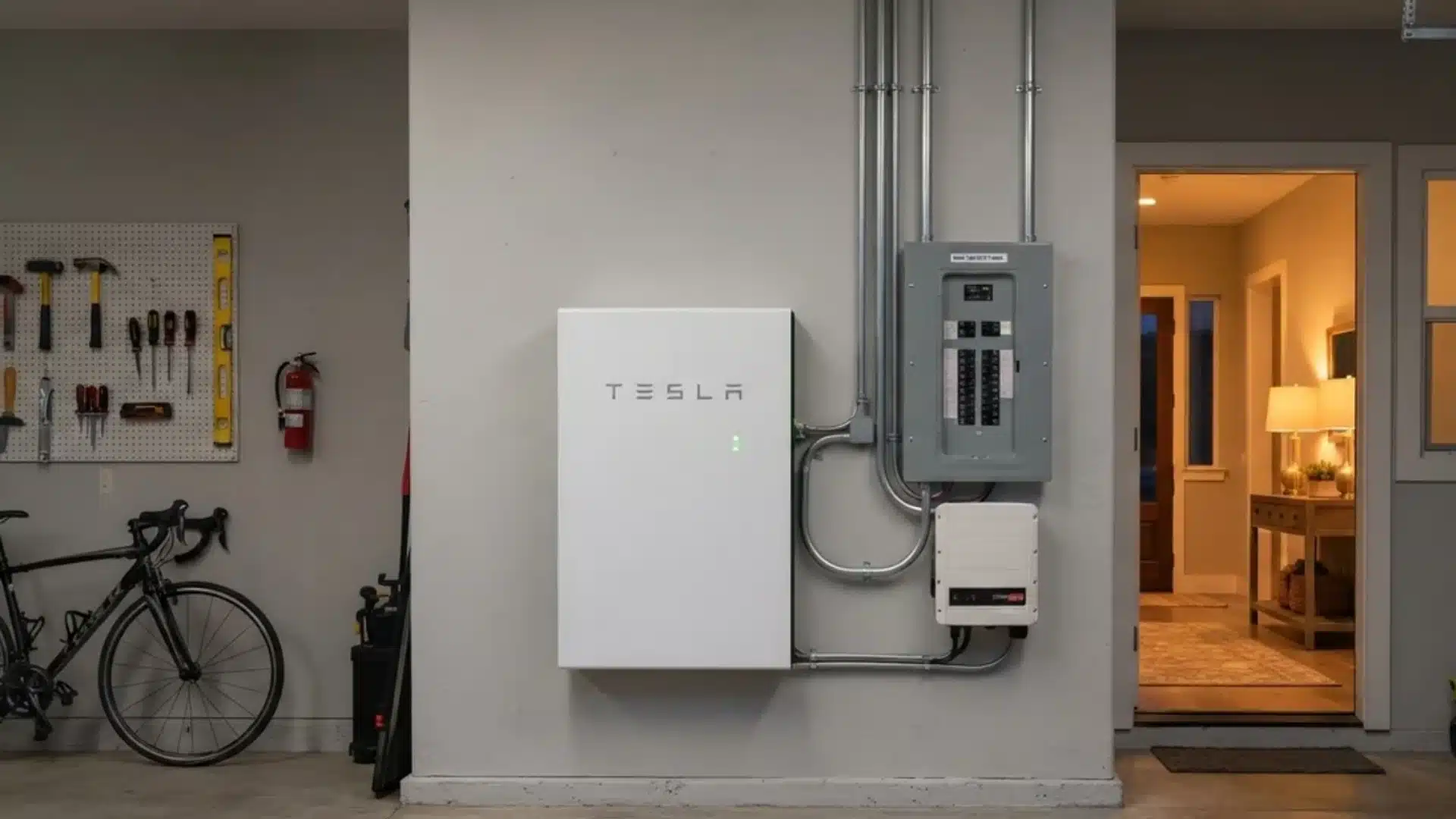
Most people think going green means picking one technology and sticking with it. That is not how homes or power grids actually work.
Very different technologies fall under the umbrella of renewable energy solutions, and each one solves a different problem depending on where you live, how much sun or wind you get, and what your roof or land can handle.
A homeowner in Phoenix and a homeowner in Seattle are not shopping for the same fix, even though both are looking at the same options.
Some of these systems install on a single roof. Others only make financial sense at a utility scale, feeding whole neighborhoods instead of one house.
Knowing which is which keeps you from chasing a system that was never right for your home. Here is where each one starts.
What are Renewable Energy Solutions?
Renewable energy solutions are technologies that generate electricity or heat from resources that are naturally restored over time.
These resources include sunlight, wind, moving water, underground heat, and biological materials such as plant waste.
The main difference between renewable and non-renewable energy is the speed at which resources are replaced. Coal, oil, and natural gas take millions of years to form, while sunlight and wind are continuously available.
A small rooftop solar installation and a large offshore wind project are both renewable systems, but they operate at very different scales.
A homeowner may use solar panels with battery storage, while a utility provider may operate large renewable projects connected to the electricity network.
The right system depends on factors such as location, energy demand, available resources, and project goals.
Main Types of Renewable Energy Solutions
Renewable energy solutions fall into six major categories: solar, wind, hydropower, geothermal, biomass, and marine energy.
Each category uses a different natural resource and requires different conditions to operate effectively.
Together, wind and solar alone supplied a record 17% of United States electricity in 2025, so this is no longer a niche corner of the grid; it is a fast-growing share of it.
Some technologies suit individual buildings, while others are designed for large-scale electricity generation.
Understanding how each type works helps you compare where each solution performs best.
1. Solar Energy Solutions
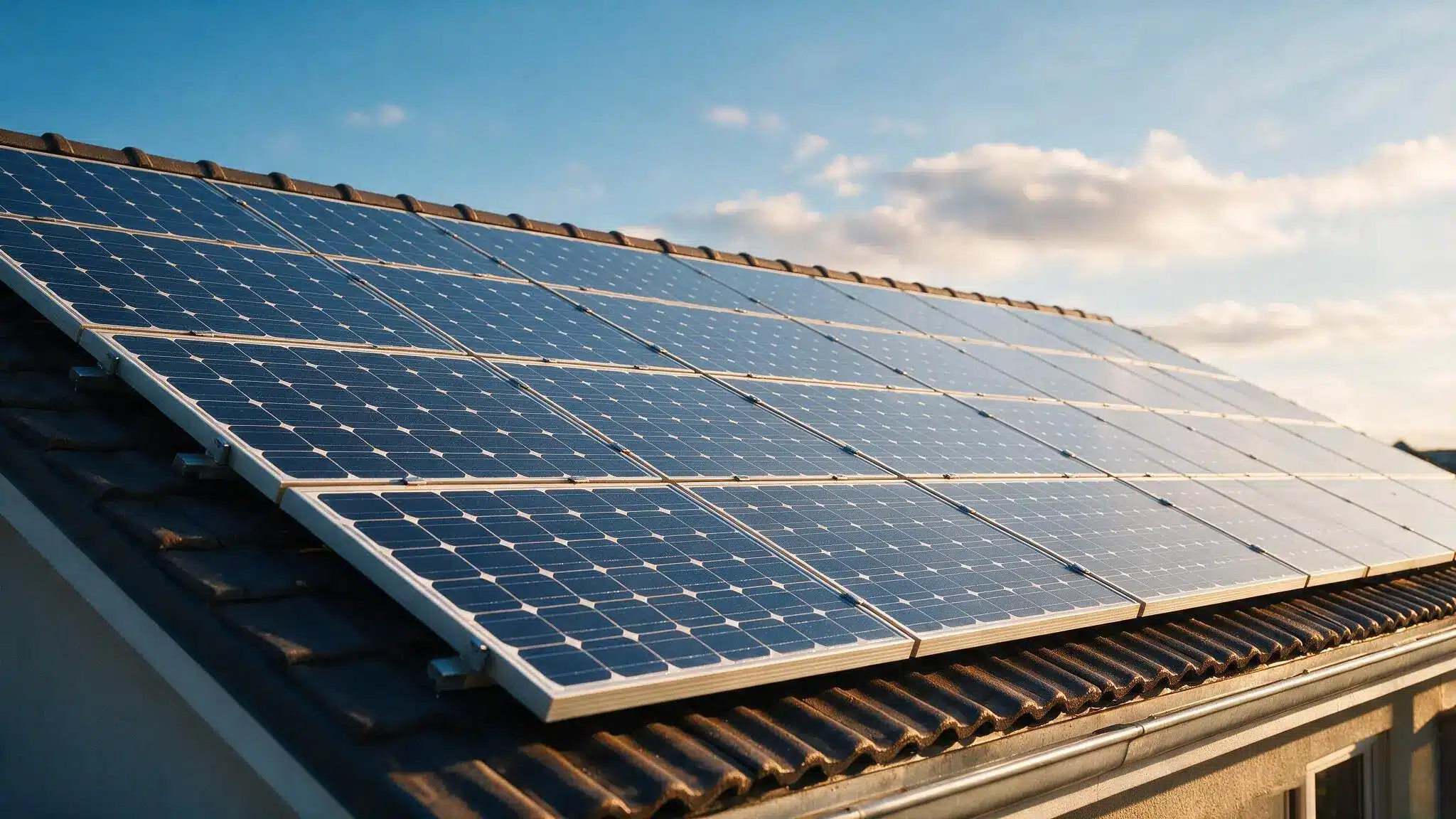
Solar energy solutions convert sunlight into electricity or heat.
Photovoltaic (PV) panels use semiconductor materials to convert sunlight directly into electricity, while solar thermal systems capture heat for applications such as water heating.
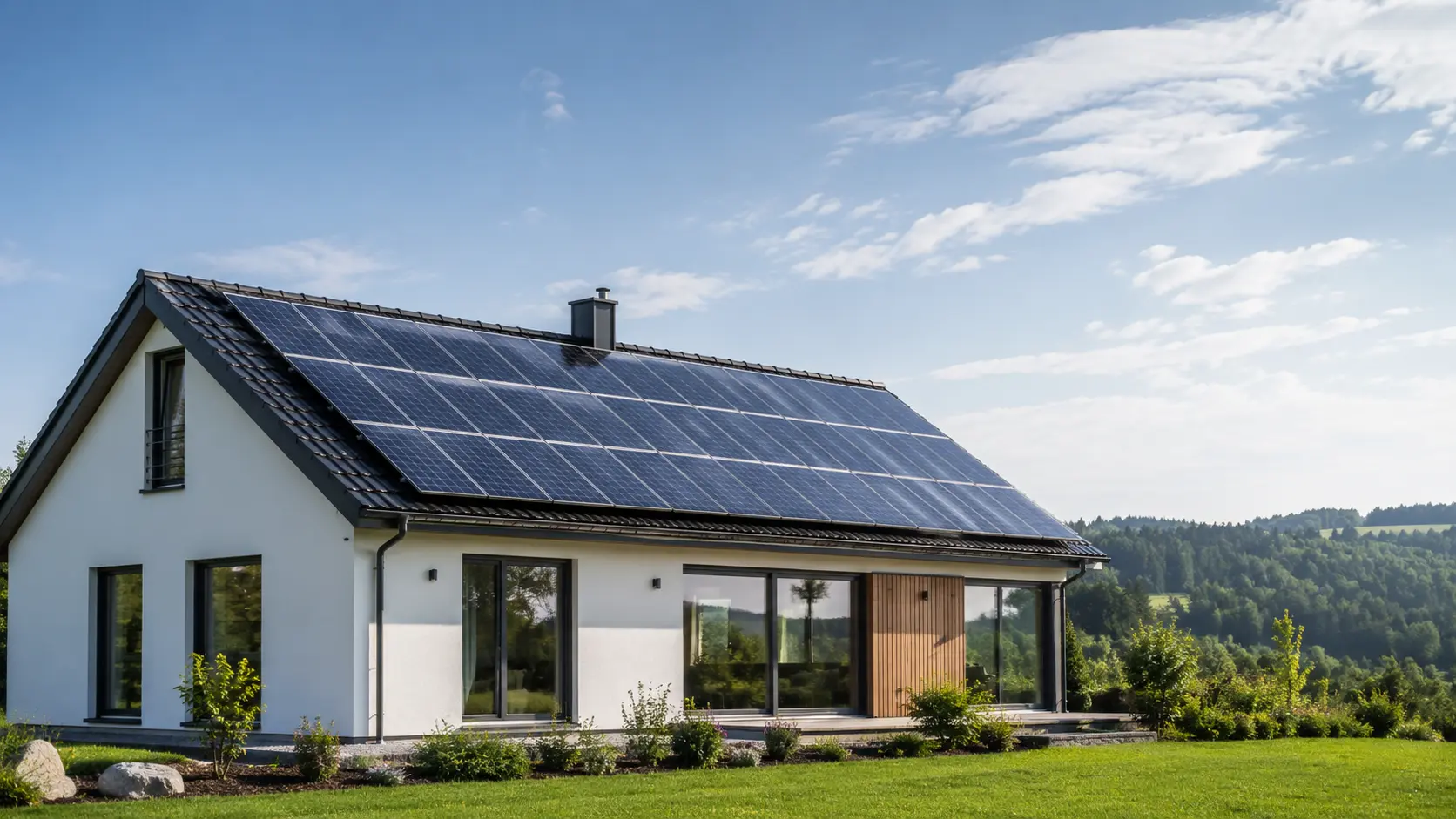
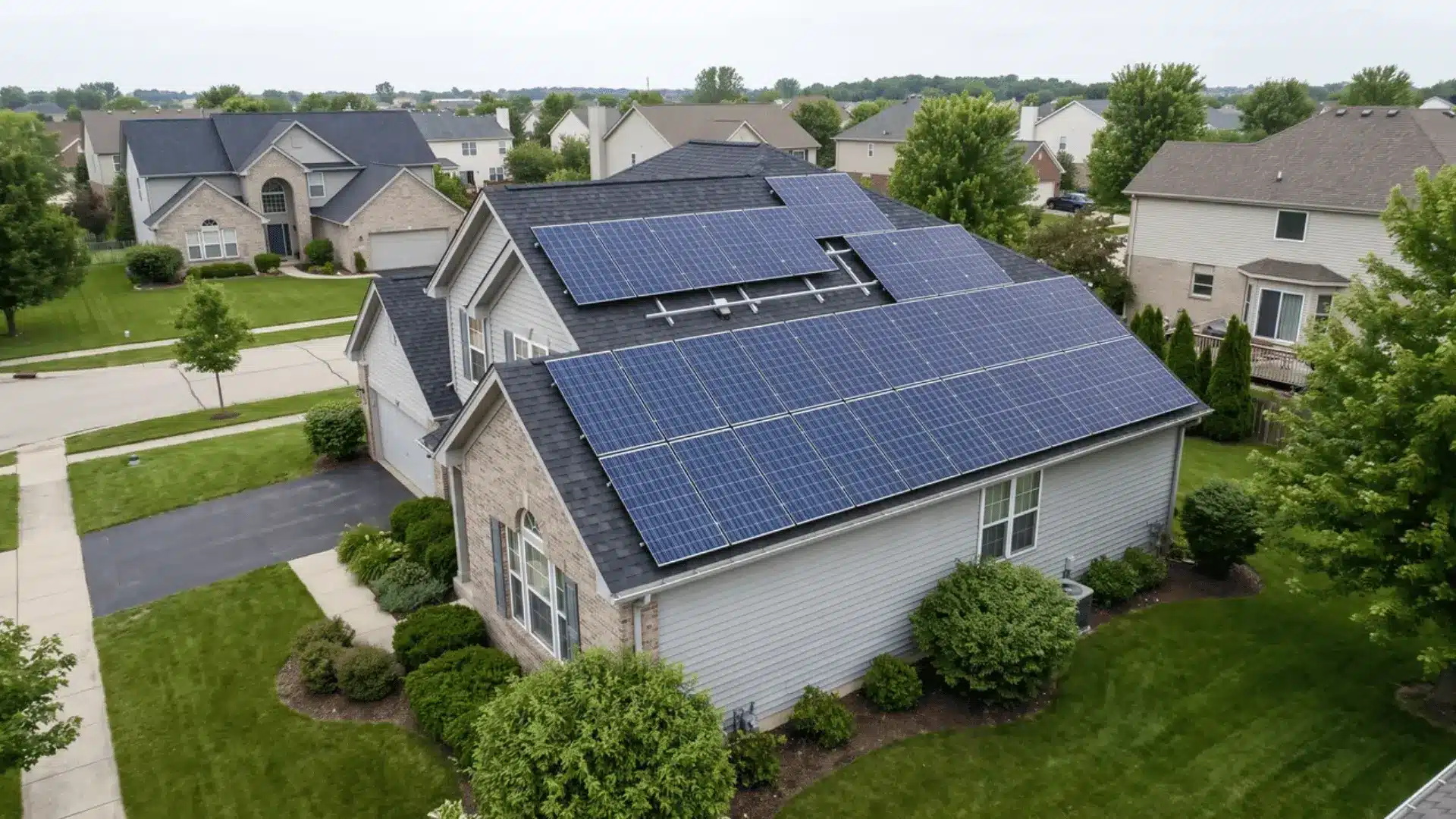
Solar panels can be installed on residential rooftops, commercial buildings, open land, and floating platforms. Their performance depends on sunlight exposure, panel direction, shading, and seasonal changes.
For example, a home with an open roof in a sunny state like Arizona may produce more solar electricity than a property surrounded by tall trees.
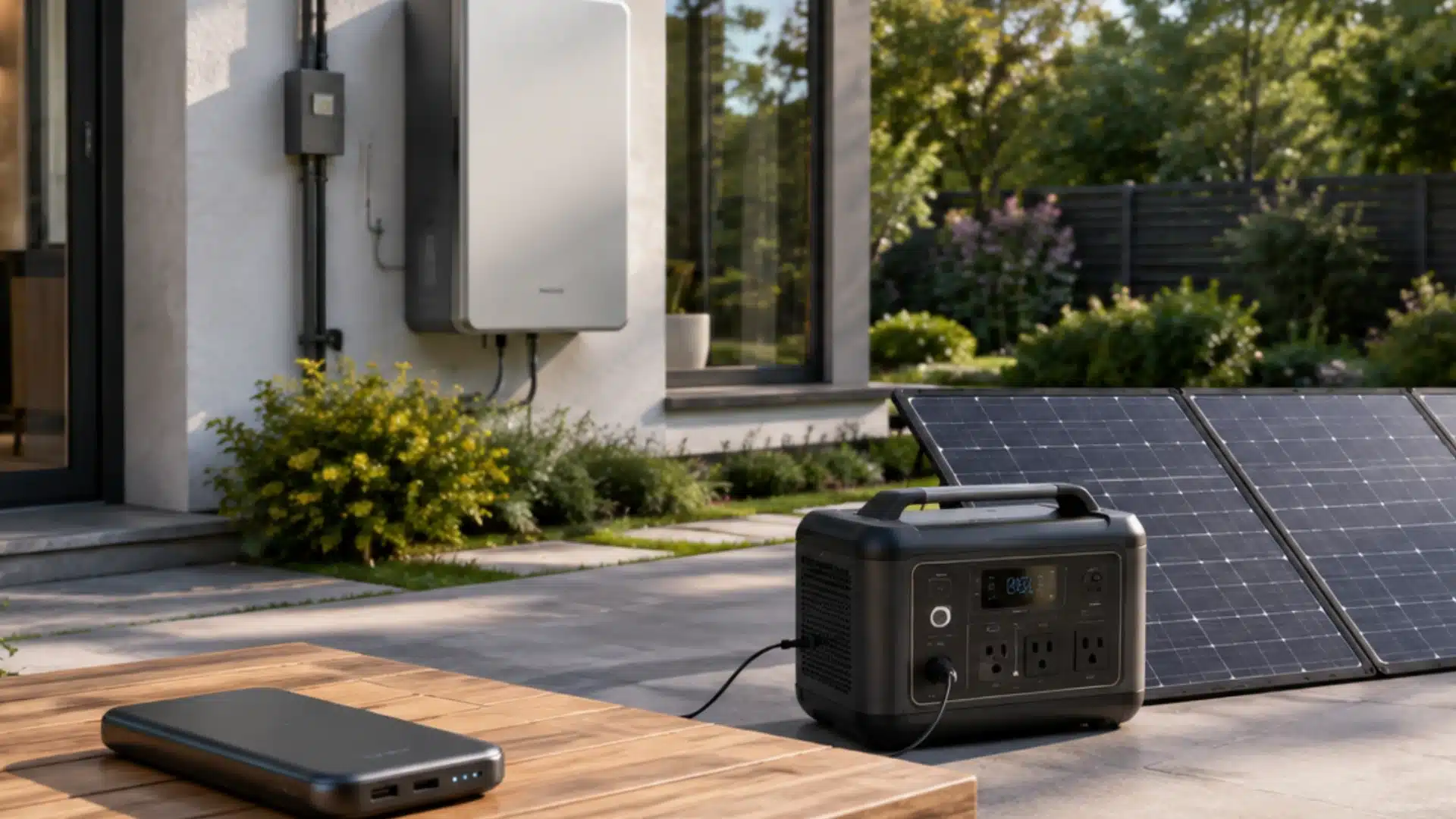
Battery storage can help save extra electricity produced during sunny hours and provide power when sunlight is unavailable.
In my own installs, the biggest surprise for homeowners is rarely the panels themselves; it is how much shading from a single mature tree can cut into production.
2. Wind Energy Solutions
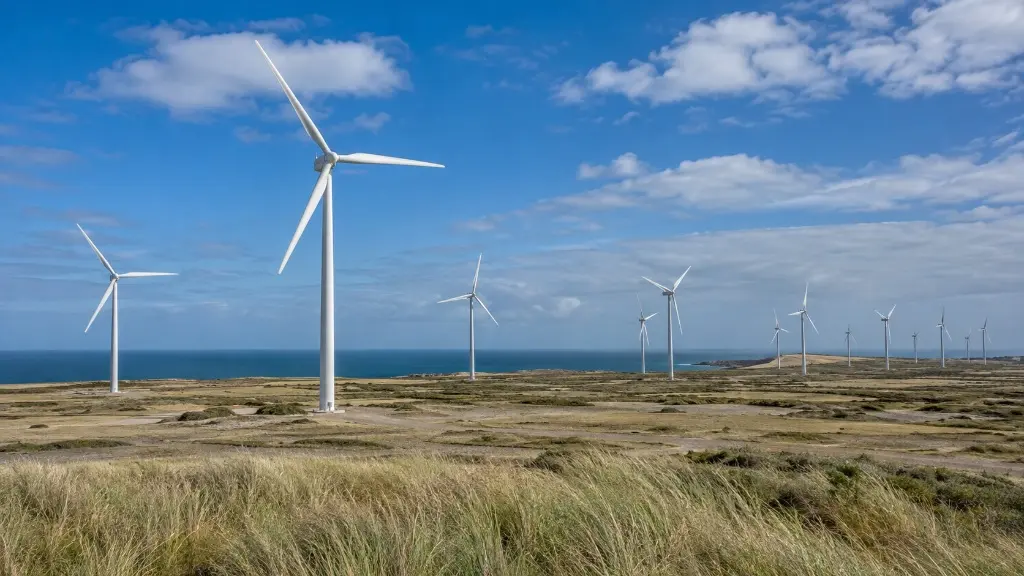
Wind energy solutions convert the movement of air into electricity.
When wind turns turbine blades, the rotation powers a generator that produces electrical energy. Wind farms can be built onshore or offshore.
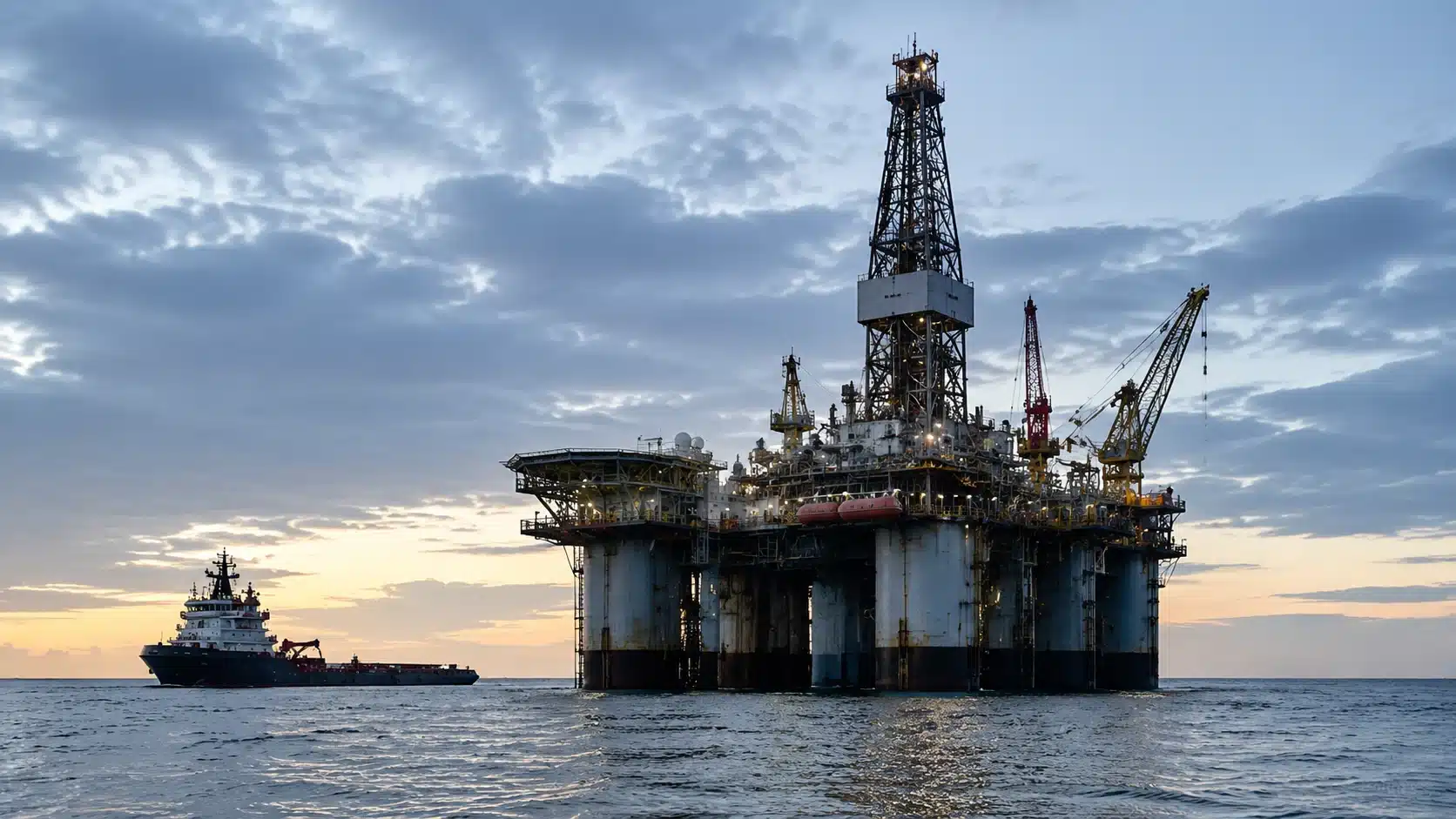
Onshore projects are generally easier to maintain, while offshore turbines can access stronger wind speeds over open water.
Wind power’s share of total U.S. utility-scale electricity generation grew from less than 1% in 1990 to about 11% in 2025, according to the U.S. Energy Information Administration, with the largest wind resources concentrated across central states with wide open terrain.
Wind power depends on average wind speed, terrain, and nearby structures.
A turbine placed in an open area can generate more electricity than one blocked by buildings or natural barriers.
3. Hydropower Solutions
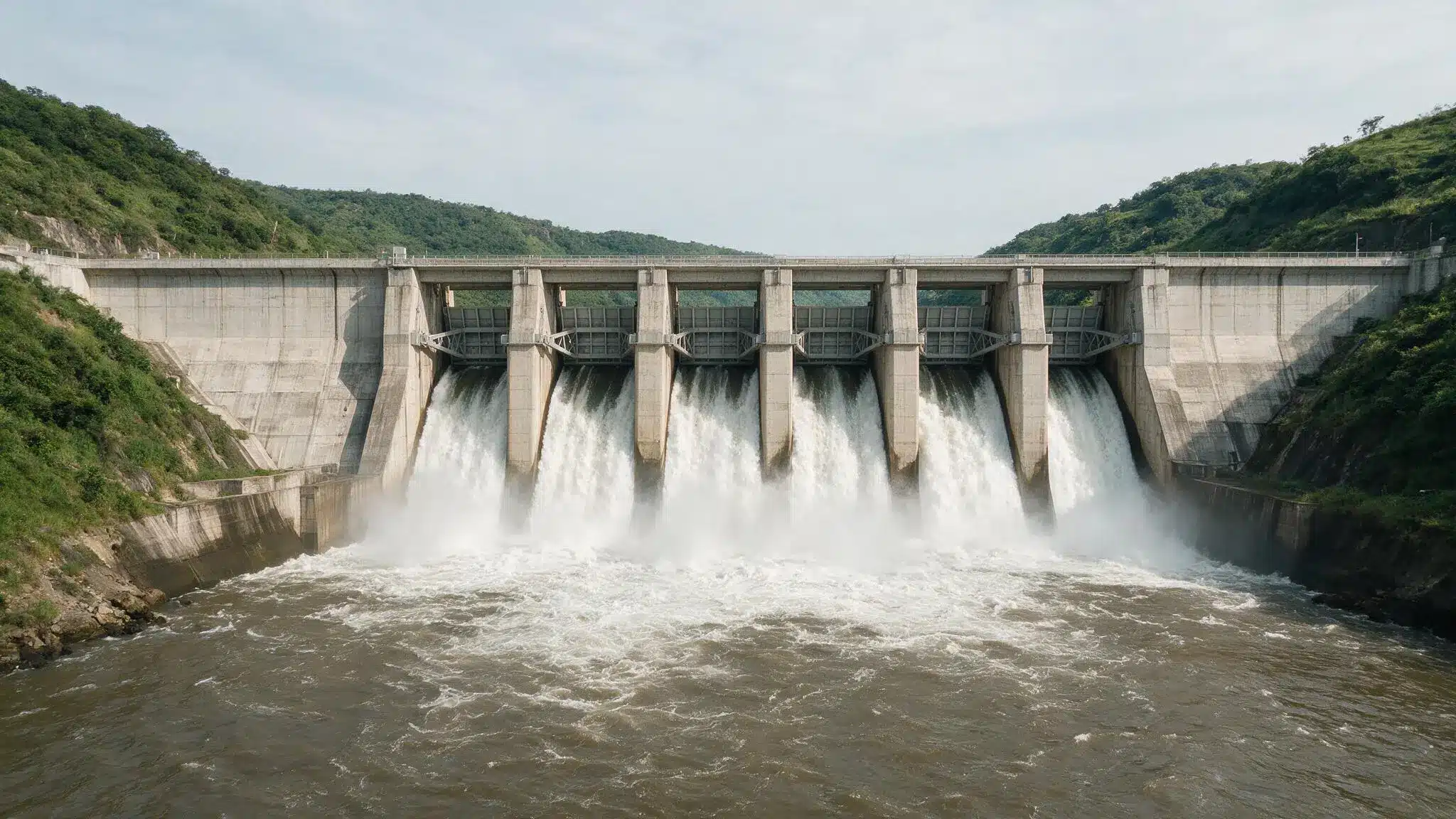
Hydropower solutions generate electricity by using moving water to rotate turbines connected to generators. Water from rivers, reservoirs, or dams provides the force needed to produce electricity.
Conventional hydropower uses dams or flowing rivers, while pumped-storage systems move water between reservoirs at different elevations to store energy for later use.
Hydropower was historically the leading source of U.S. renewable electricity generation, a title it held until wind and solar combined overtook it around 2019.
It can still provide reliable electricity, but it requires suitable geography and consistent water availability. Drought conditions or changing water levels can affect how much power a facility produces.
4. Geothermal Energy Solutions
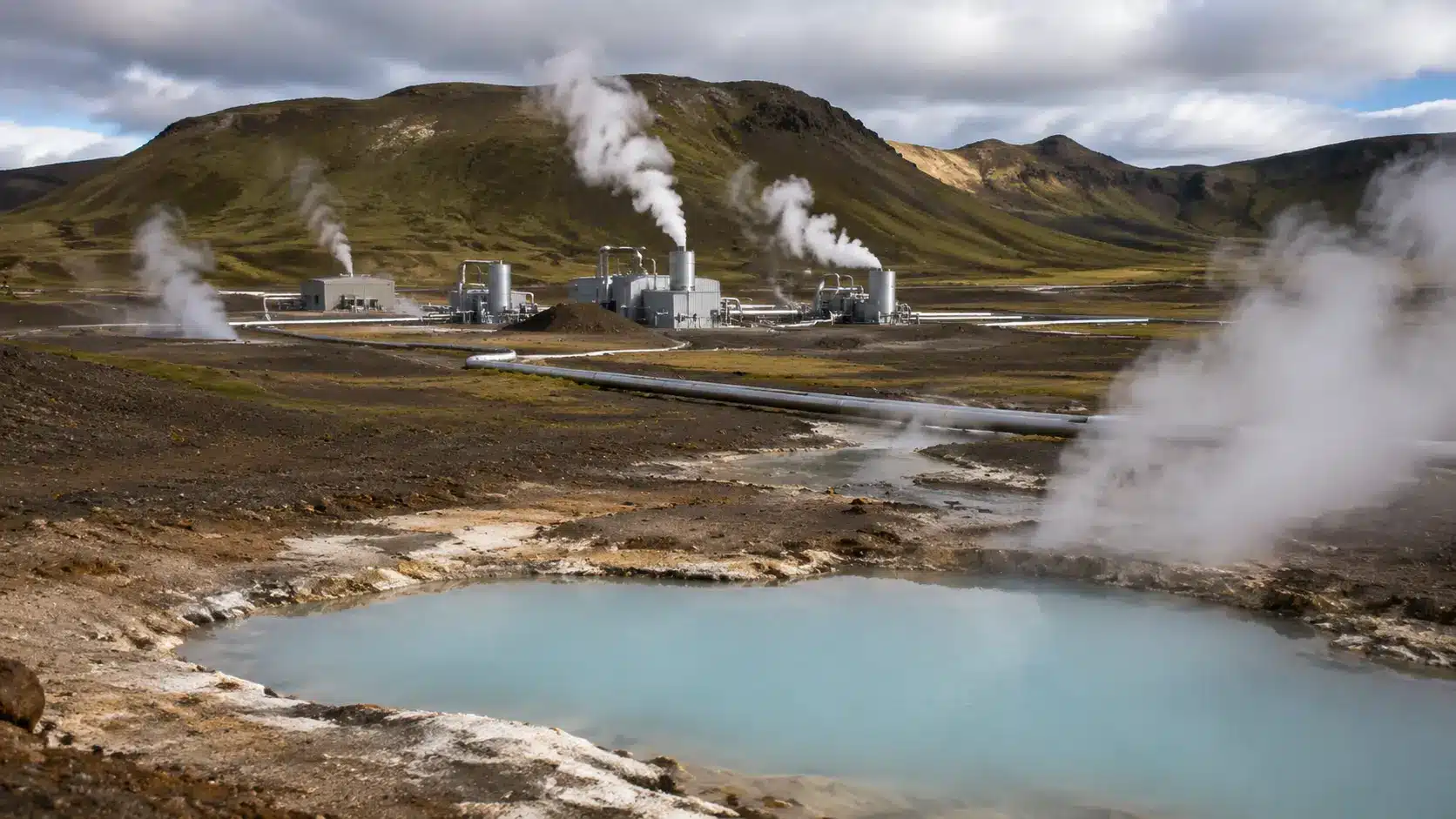
Geothermal energy solutions use heat stored beneath the Earth’s surface to produce electricity or provide heating and cooling.
Geothermal power plants access underground heat through wells, while geothermal heat pumps use stable ground temperatures to regulate building temperatures.
Unlike solar and wind, geothermal systems can operate continuously because they don’t depend on daily weather conditions.
However, geothermal resources are not available equally everywhere.
Areas with strong underground heat sources, such as regions with volcanic activity, are generally better suited for geothermal development.
5. Biomass Energy Solutions
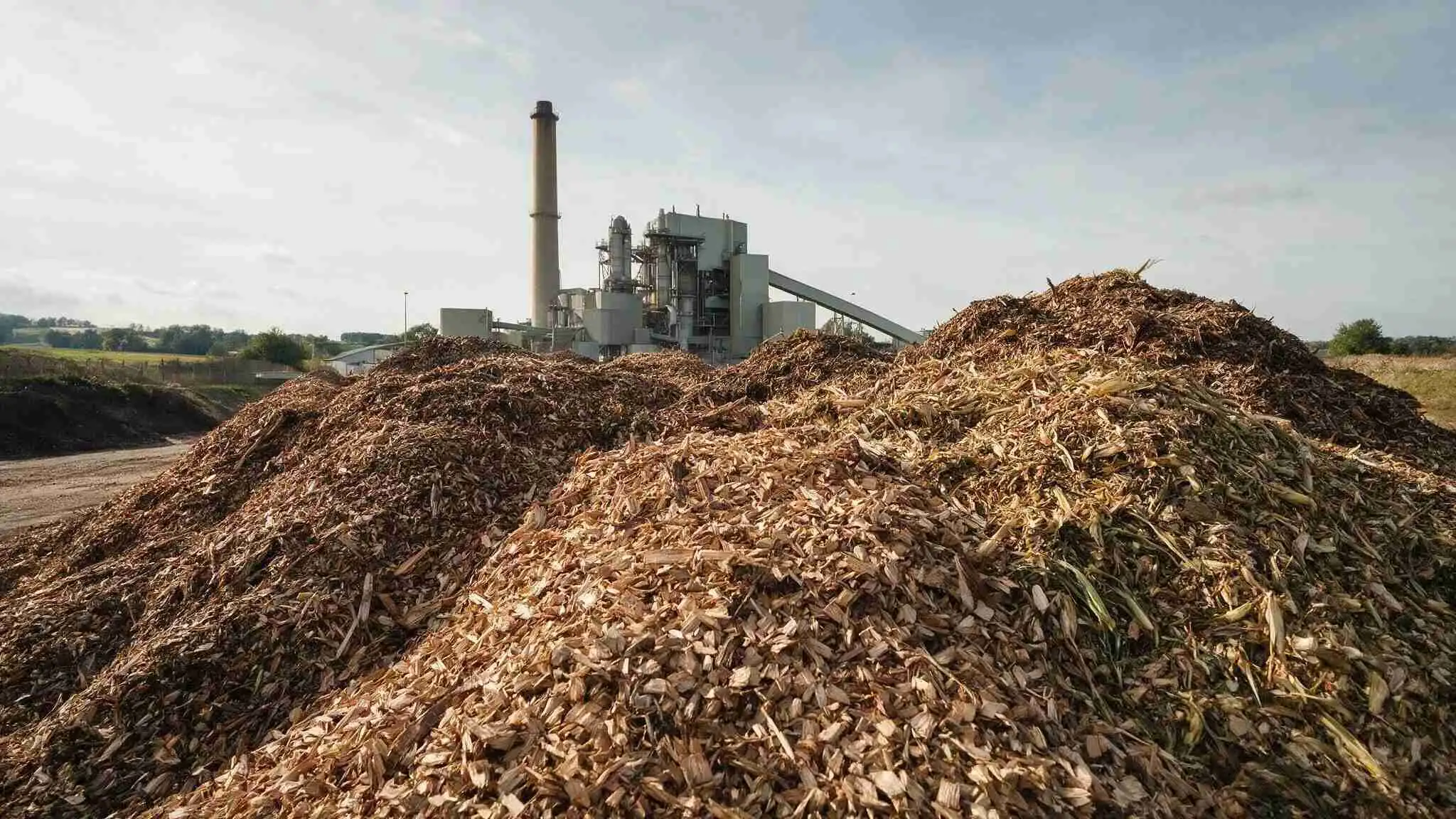
Biomass energy solutions use organic materials such as wood waste, agricultural leftovers, and landfill gas to produce electricity, heat, or biofuels.
These materials contain stored chemical energy that can be released through different conversion processes.
One advantage of biomass is that it can make use of waste materials that would otherwise be discarded.
Some facilities combine energy production with waste management by converting organic waste into usable power. However, biomass is not completely emission-free.
Burning organic materials can release greenhouse gases, so the overall environmental impact depends on how the materials are sourced, processed, and replaced.
6. Marine Energy Solutions
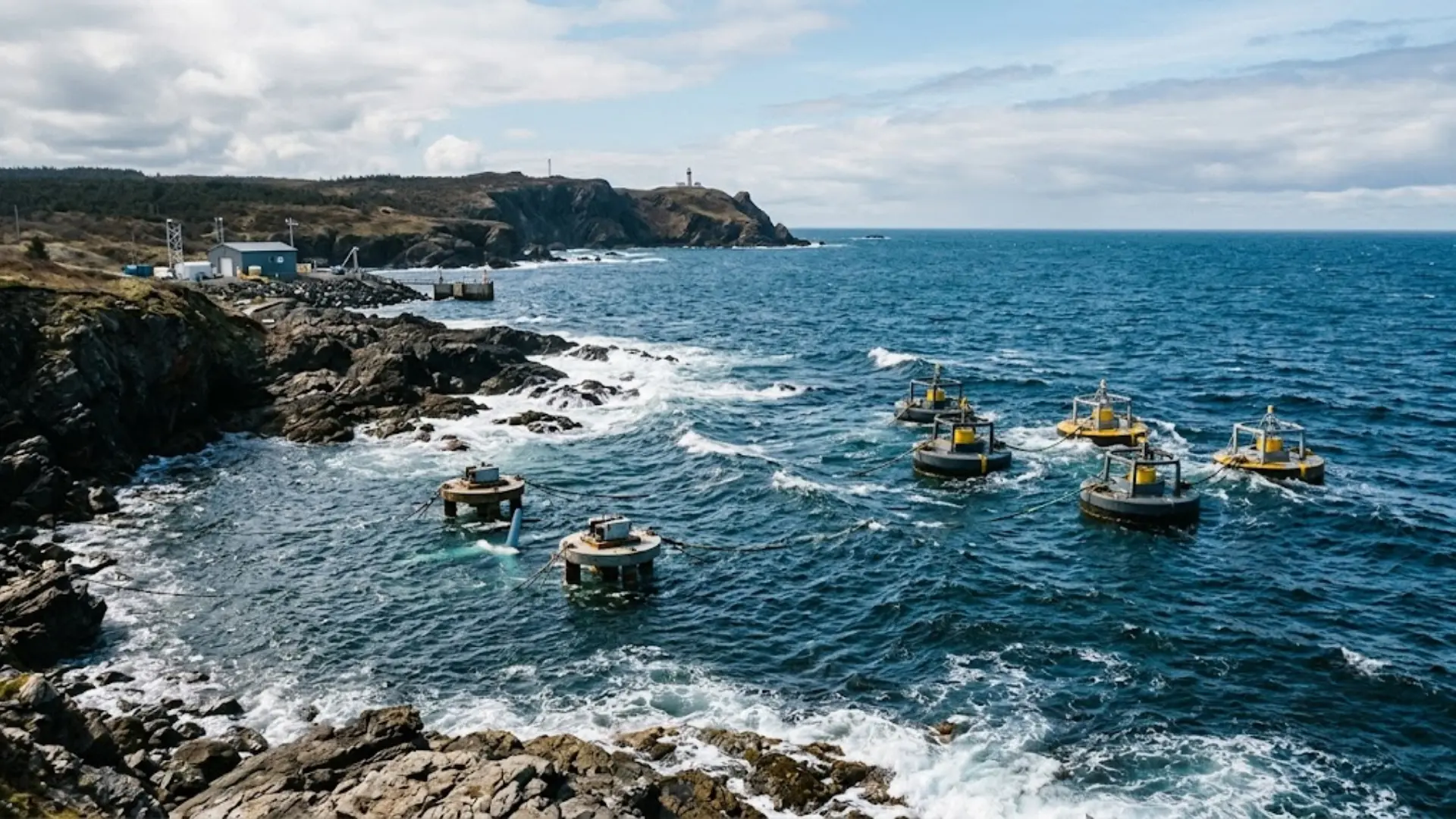
Marine energy solutions capture power from ocean movement, including tides, waves, and currents.
Tidal systems use underwater turbines that rotate as water moves, while wave energy systems capture motion from ocean surfaces.
Marine energy has potential because tides follow predictable patterns, but the technology is still developing compared with solar, wind, and hydropower.
Coastal regions with strong tidal movement or wave activity may be better suited for these systems, although installation costs and technical challenges remain important factors.
How Renewable Energy Solutions are Categorized?
Renewable energy systems are usually classified by their source, how consistently they produce power, their size, and their final use.
These categories help you understand why two technologies that both produce electricity may work very differently in practice.
For example, rooftop solar and utility-scale wind farms both generate electricity, but they require different land areas, equipment, and operating conditions.
A homeowner choosing a system will focus on energy bills and available space, while a utility company will consider grid demand and long-term supply.
| Category | What It Means | Examples |
| Energy source | The natural resource used to create power | Solar, wind, water, Earth’s heat, organic materials |
| Power consistency | How regularly the system produces energy | Geothermal and hydropower provide steady output, while solar and wind can change with conditions |
| System size | The scale of the installation | Rooftop solar for homes, large wind farms for utilities |
| Main use | How the energy is used | Electricity generation, heating, cooling, or fuel production |
The same technology can also have different results depending on where and how it is installed.
A solar system in a sunny region with high electricity demand may provide strong value, while the same system may perform differently in an area with lower sunlight or limited roof space.
What are the Benefits of Renewable Energy Solutions?
Renewable energy solutions offer benefits that affect households, businesses, and the broader energy system. Their value is not only measured by electricity production but also by how they change energy use over time.
Key benefits include:
- Lower greenhouse gas emissions: Renewable sources generally produce fewer emissions during operation compared with fossil fuel-based electricity generation.
- Reduced dependence on limited fuels: Solar, wind, hydropower, and other renewable sources use naturally replenished resources.
- Energy cost control: Homes and businesses can reduce exposure to changing electricity prices by generating some of their own power.
- Greater energy independence: Distributed systems, such as rooftop solar with battery storage, can provide more control over electricity use.
- Support for local energy systems: Renewable projects can create new infrastructure, jobs, and investment in communities.
The benefits vary by technology. Solar panels may help a homeowner reduce monthly electricity costs, while a large wind project may help supply electricity across an entire region.
Renewable Energy Solutions for Homes and Businesses

Renewable energy solutions are no longer limited to large power stations. Homes, offices, farms, and industrial facilities can use different systems based on their energy requirements and available resources.
Residential properties usually focus on reducing electricity costs and improving energy independence, while businesses often focus on long-term savings and managing large energy demands.
Residential renewable energy options:
- Solar panels: Solar remains one of the most common choices for homes because panels can be installed on rooftops and combined with battery storage.
- Geothermal heat pumps: These systems use stable underground temperatures to provide heating and cooling with less dependence on outdoor weather.
- Small wind systems: Properties in open areas with consistent wind conditions may benefit from smaller turbines.
- Battery storage: Batteries allow homeowners to store extra electricity and use it when solar production is low.
A well-designed home system is not always the largest one available. The best results usually come from matching the system size with actual energy consumption and local conditions.
Commercial renewable energy uses:
- Solar installations: Businesses with large rooftops, warehouses, or industrial buildings can use solar panels to produce electricity on-site.
- Wind and other systems: Farms and large properties may use renewable options that match their available land and natural resources.
- Battery storage: Companies use stored energy to improve power management during periods of high demand.
- Energy cost control: Renewable systems can help businesses reduce dependence on changing electricity prices over time.
Choosing the right system requires understanding how the building operates, how much energy it uses, and what resources are available nearby.
Factors to Consider When Choosing Renewable Energy Solutions
Choosing a renewable energy system requires more than comparing equipment prices. The best option depends on technical, financial, and environmental conditions.
Consider these factors before selecting a system:
- Location and climate: Solar projects need strong sunlight, wind systems need reliable airflow, and marine systems require suitable ocean conditions.
- Energy demand: A small home, a farm, and an industrial facility will require different system capacities.
- Installation costs: Equipment prices, labor, financing options, and available incentives affect the total investment. The federal residential solar tax credit expired for new installations placed in service after December 31, 2025, so check current state and utility programs rather than assuming a federal discount still applies.
- Available space: Rooftop size, land availability, and surrounding structures can limit certain installations.
- Maintenance needs: Some systems require regular inspections, while others need limited ongoing care.
- Grid connection: Some systems send electricity to the shared power network, while others operate independently.
A good renewable energy decision comes from balancing these factors. A low-cost system may not always provide the best value if it cannot meet your energy needs.
Future Role of Renewable Energy Solutions
Renewable energy solutions are becoming a larger part of global electricity production as technology improves and installation costs change.
Solar and wind have expanded quickly because they can be deployed at different scales, from individual buildings to large utility projects.
Energy storage is also becoming an important part of renewable development.
Since sunlight and wind availability can change throughout the day, batteries help store excess electricity and provide power when production decreases. New technologies are expanding the range of renewable options.
Floating solar projects allow panels to be installed on water surfaces, offshore wind projects use stronger ocean winds, and improved geothermal systems are being developed in more locations.
The future energy system will likely rely on a combination of renewable sources rather than a single technology.
Different regions will use different mixes depending on their natural resources, infrastructure, and energy needs.
Conclusion
Solar tends to get the most attention because it scales down to a single roof. But wind, hydropower, geothermal, biomass, and marine energy each fill in gaps that solar cannot cover alone.
The right renewable energy solutions for your home depend on your sun exposure, your roof, your budget, and what your local utility actually allows.
None of these technologies is automatically the best choice. The best one is whichever matches your specific situation and pays for itself in a timeframe you are comfortable with.
If you have already compared quotes or looked into your roof’s solar potential, tell us what surprised you most about the numbers.
Frequently Asked Questions
What is the Biggest Problem With Renewable Energy?
Weather and location dependence is the biggest limitation. Solar output drops on cloudy days and stops at night, while wind depends entirely on local wind speed. Wind and solar combined supplied a record 17% of United States electricity in 2025, per the U.S. Energy Information Administration, but growth still depends on storage and grid upgrades.
Is Solar the Best Renewable Energy Option for Homeowners?
For most homeowners, yes, mainly because solar is the only renewable energy solution that scales down to a single roof without needing shared infrastructure. Wind, hydropower, and geothermal usually require land, water access, or drilling that most residential properties do not have. Community solar programs also let renters and HOA-restricted homeowners buy in without installing anything themselves.
What Government Incentives are Available for Renewable Energy?
The federal residential solar tax credit expired for new installations after December 31, 2025, per the IRS. State rebates, utility programs, and solar renewable energy certificates still exist and vary widely by location. Leased or third-party-owned systems can sometimes still pass along a separate commercial credit, so check current programs in your state before assuming a discount no longer applies.
Does Renewable Energy Reduce Electricity Bills Right Away?
Savings usually start with the first bill after installation, but the size depends on your system, local electricity rates, and how you financed it. Homeowners who pay cash typically see the clearest savings, while those with loans often see a smaller net gain until the loan is paid off. Payback periods for home solar systems commonly fall between six and twelve years.