

Ever open your electricity bill and wonder where all that money actually went? I’ve been there more times than I’d like to admit.
Most of us can name maybe two or three appliances we think are draining power, but the real answer often surprises people, myself included.
Knowing what appliances use the most electricity can help you spot exactly where your money is going every month, instead of just guessing. Some devices you barely notice, like your fridge, quietly cost more than you’d expect.
Others, like your dryer, feel expensive but might not be your biggest culprit at all.
By the end of this, you’ll know exactly which appliances to watch, why they cost what they do, and simple ways to cut your bill starting today.
Which Appliances Use the Most Electricity at Home?
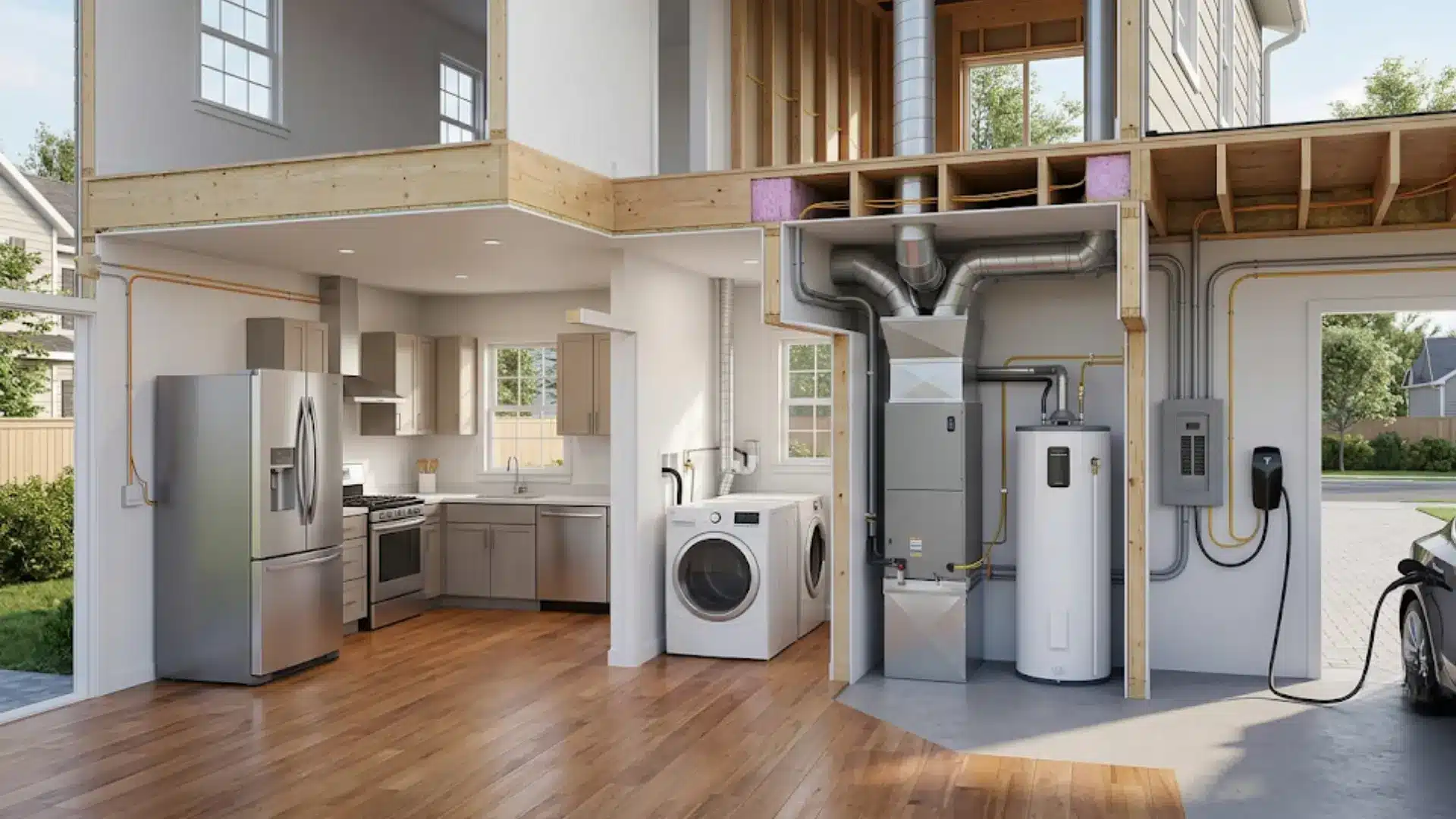
If you’re wondering what consumes the most energy in a house, the answer is usually heating and cooling. HVAC systems account for the largest share of electricity use because they often run for hours during extreme weather.
Beyond HVAC, several other appliances also contribute heavily to monthly electricity bills throughout the year. Water heaters constantly cycle on and off to keep large water tanks hot.
Refrigerators and freezers run around the clock, drawing power every single day, nonstop. Clothes dryers pull high wattage in short, heavy bursts during each use. Even smaller devices, like how much power a ceiling fan draws, add up more than people expect when they run for hours at a time.
EV chargers can rival the energy use of an entire household on their own. Pool pumps and hot tubs often run for several hours every day.
Actual consumption varies from home to home based on several key factors. These include square footage, local climate, appliance efficiency ratings, and daily usage habits.
How Much Electricity Do the Biggest Energy-Using Appliances Consume?
Each major appliance draws power differently, and understanding these differences helps homeowners target the right upgrades for savings.
1. HVAC Systems Use the Most Electricity in Many Homes
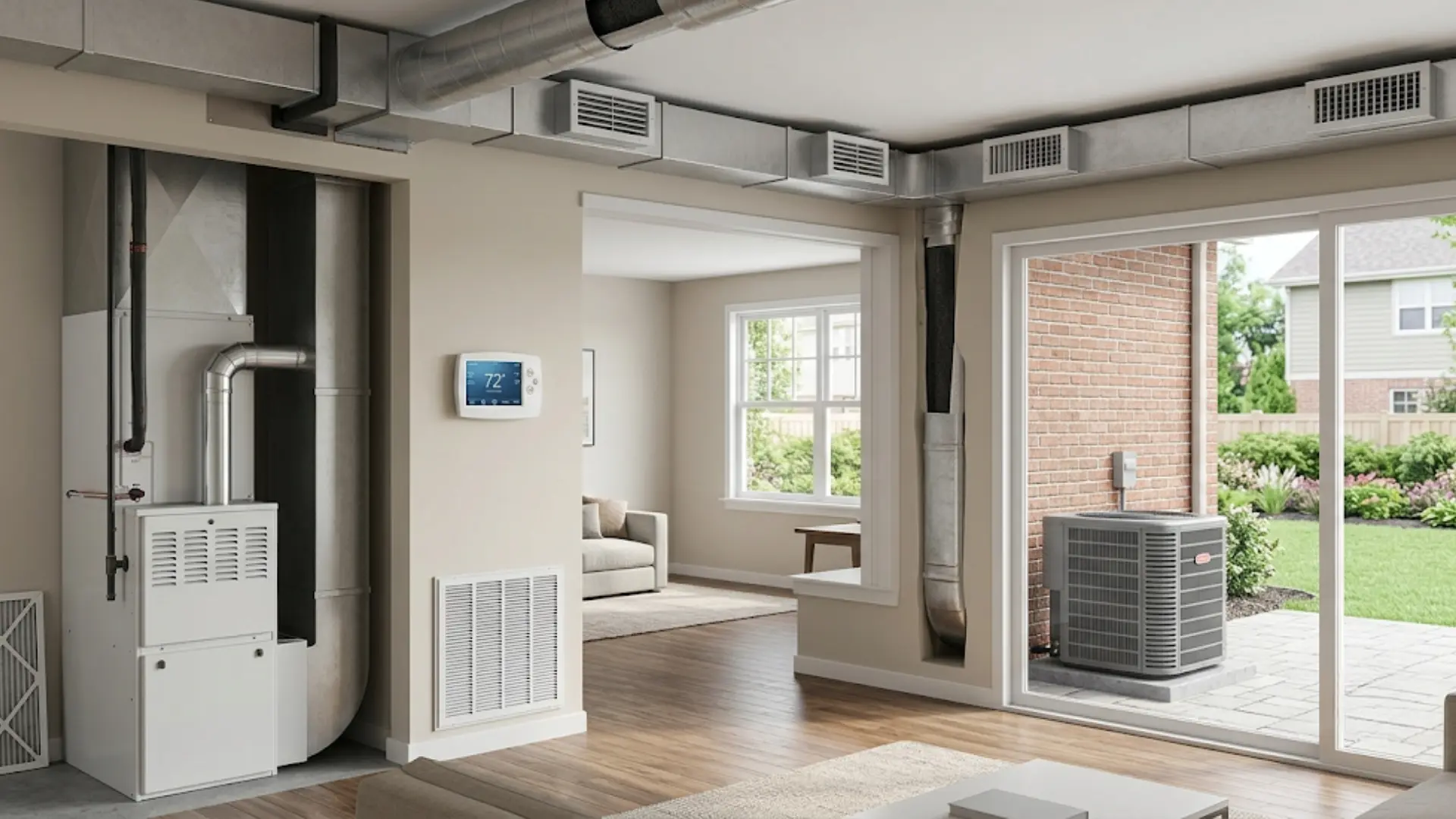
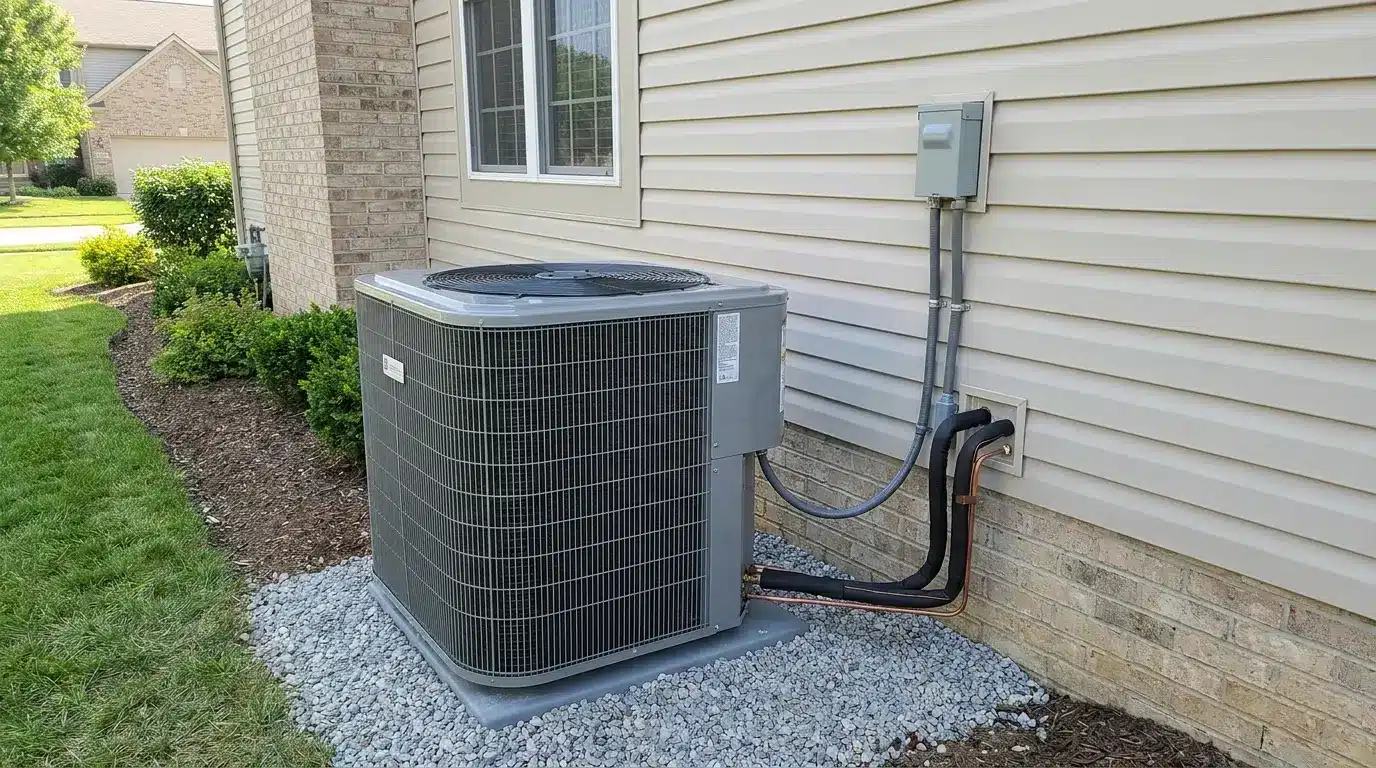
Heating and cooling systems dominate electricity bills because they run for extended hours, especially during extreme weather. Air conditioners, heat pumps, and electric furnaces all require high energy output to shift indoor temperatures.
Summer and winter months drive usage even higher as systems work harder to withstand outdoor conditions. Several factors influence how much electricity your HVAC system actually consumes:
- Thermostat settings and how often temperatures are adjusted
- Home insulation quality, which affects heat loss or gain
- System age, since older units run less efficiently
- Regular maintenance, including filter changes and tune-ups
Some households also rely on portable units for extra warmth, and it’s worth understanding the true cost of running space heaters before leaning on one all winter.
2. Electric Water Heaters Require Constant Energy to Maintain Hot Water
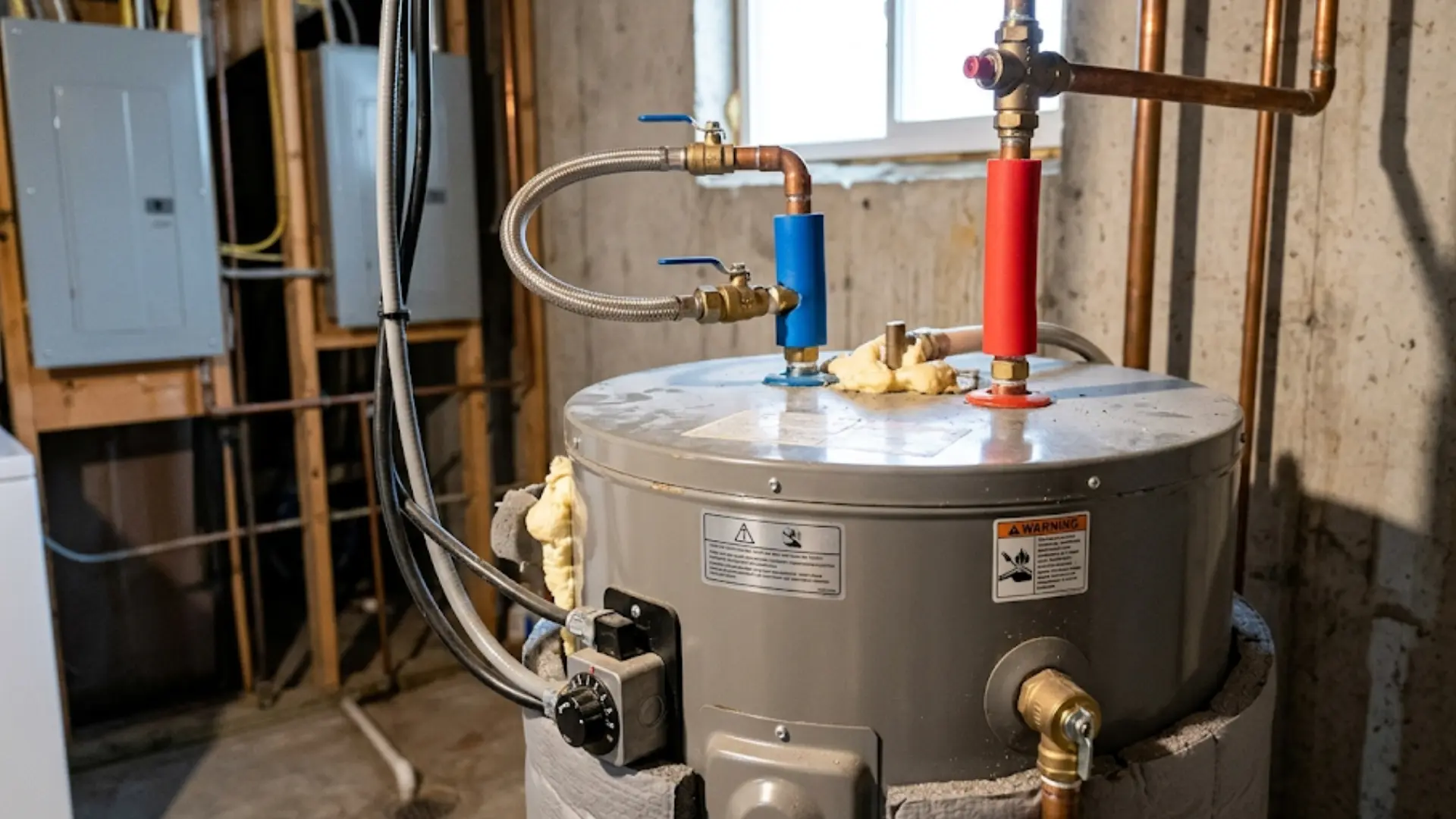
Storage water heaters work throughout the day, reheating water as it’s used and as the tank naturally loses heat. Higher hot water demand from showers, laundry, and dishes means more frequent heating cycles. A few conditions push consumption even higher:
- Temperature settings are set above what’s actually needed
- Poor tank insulation, which lets heat escape faster
- Older heating elements that run less efficiently
Heat pump water heaters offer a more efficient alternative, using significantly less electricity to produce the same amount of hot water. If you’re comparing hot water demand around the kitchen, it also helps to know how much energy your dishwasher pulls each cycle.
3. Refrigerators and Freezers Consume Electricity Around the Clock

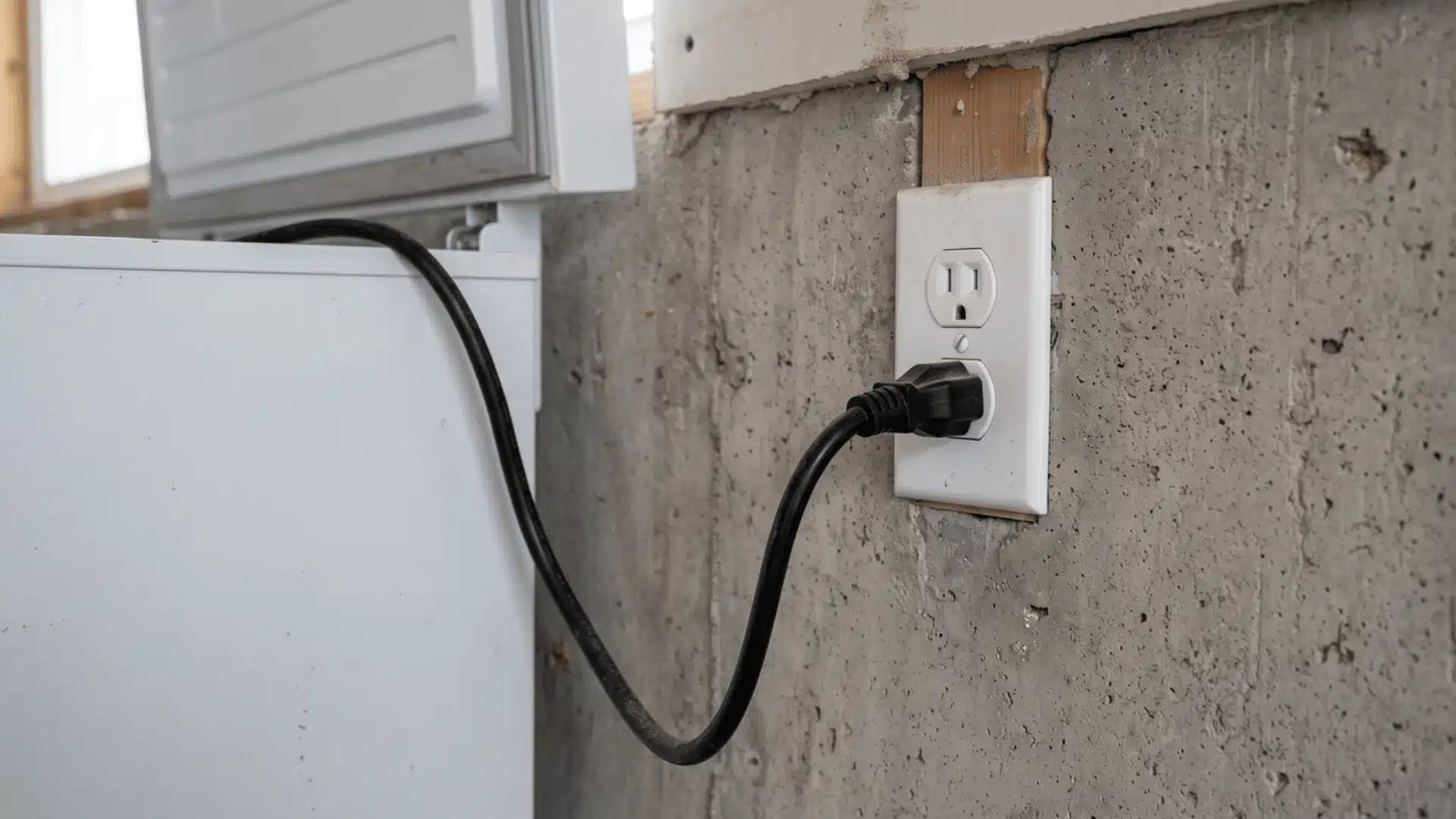
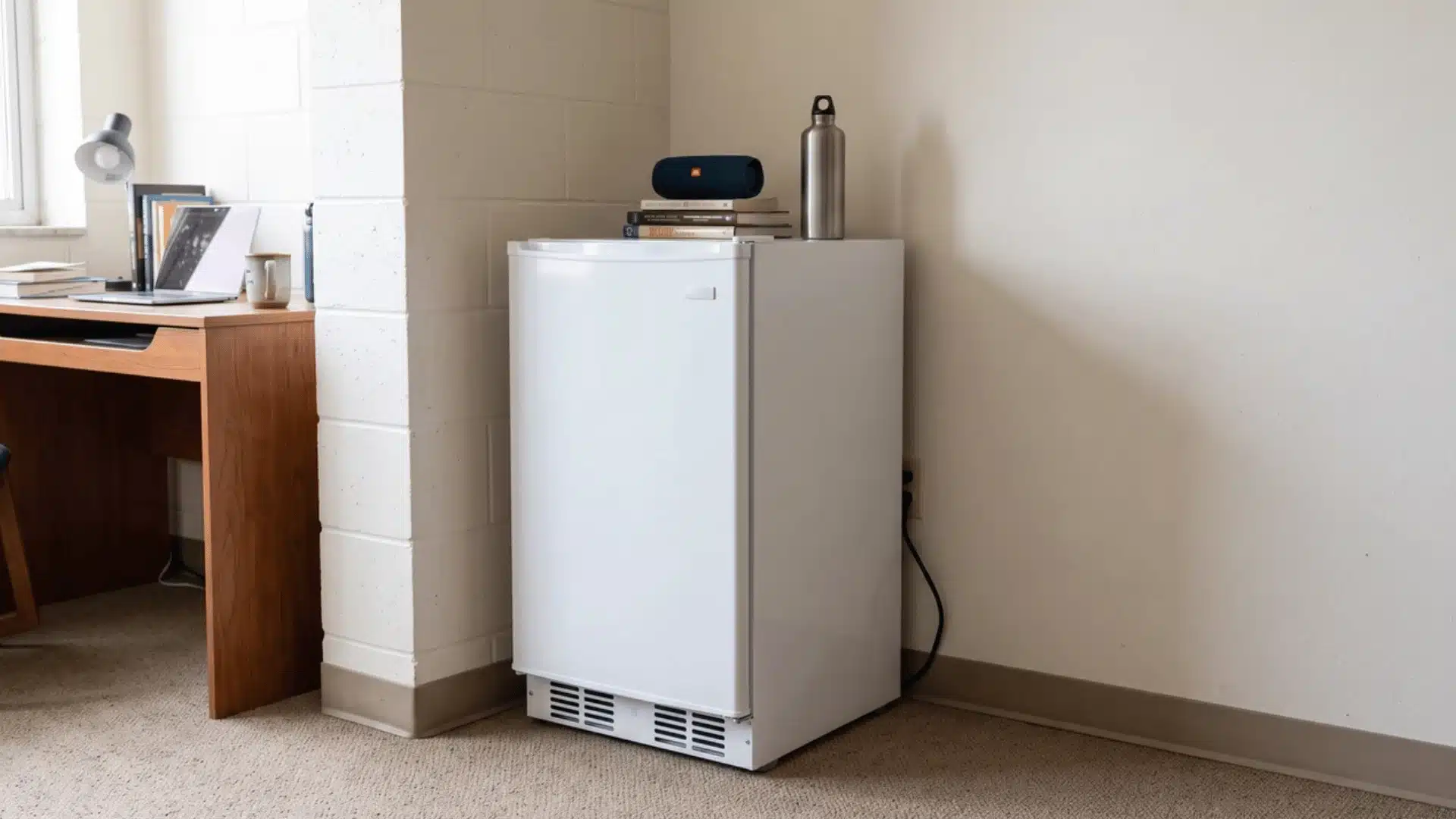
Refrigerators don’t draw much wattage compared to HVAC or water heaters, but they run continuously, every hour of every day, all year long. That nonstop cycling is what makes them a significant contributor to your bill, even though their compressor’s power draw is relatively modest.
Consumption climbs due to:
- Appliance age, since older units lose efficiency over time
- Worn door seals, which let cold air escape
- Temperature settings were kept colder than necessary
- Lack of regular maintenance, like coil cleaning
The key takeaway: constant operation matters more than peak wattage. That’s also true for other always-on devices, which is why it helps to check what dehumidifiers cost to run if you use one regularly in a damp basement.
4. Clothes Dryers Use High Energy During Short Cycles
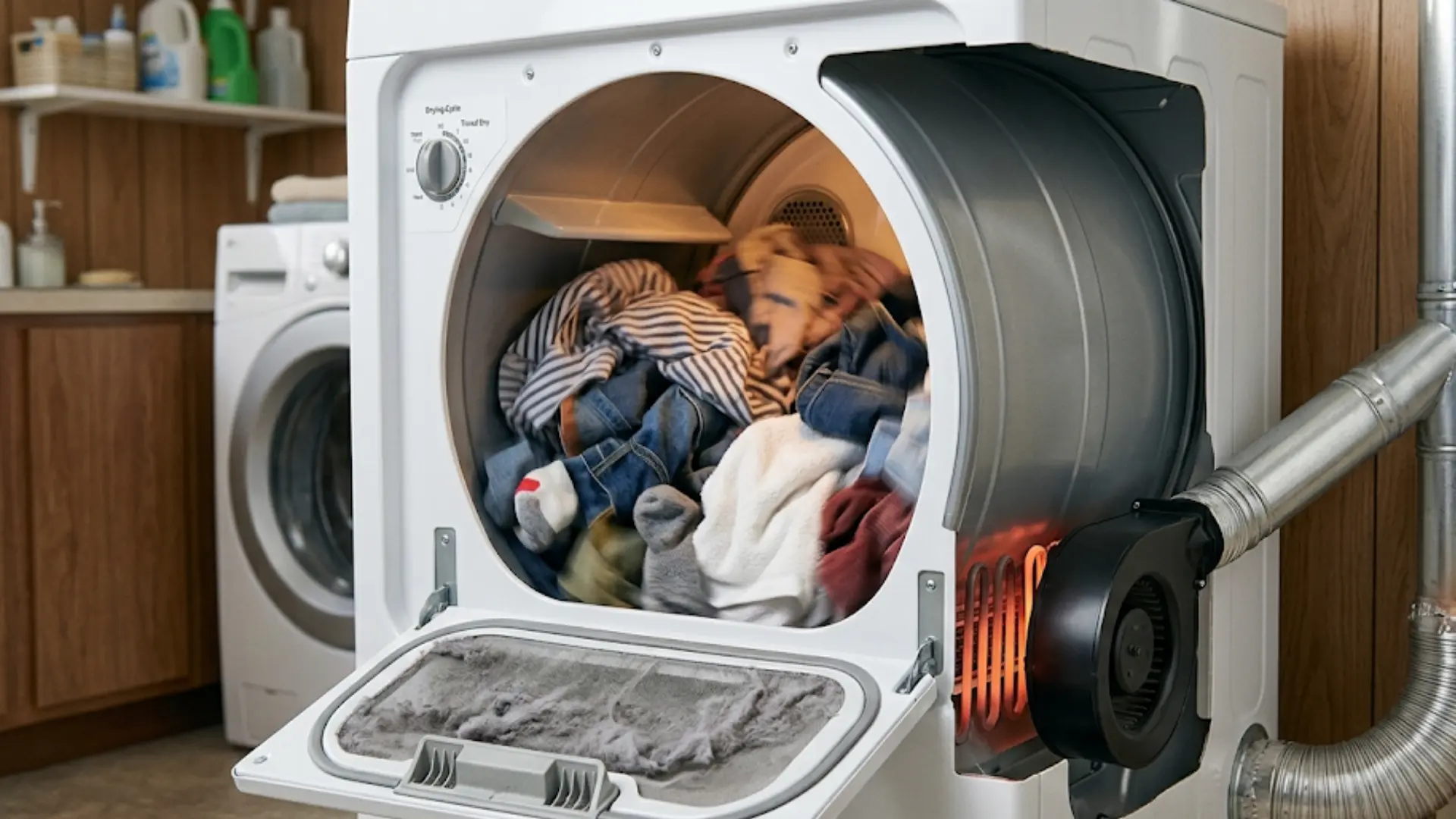
Dryers require substantial electricity because heating air to evaporate moisture from clothes is energy-intensive. Even though each cycle lasts only an hour or less, the power required makes it costly.
Running dryers frequently, especially for small loads, adds up quickly over the course of a month. Efficiency also depends on:
- Load size, since overloading or underloading wastes energy
- Lint buildup, which restricts airflow and extends drying time
- Drying settings with higher heat levels use more power
5. EV Chargers, Pool Pumps, and Other High-Power Appliances
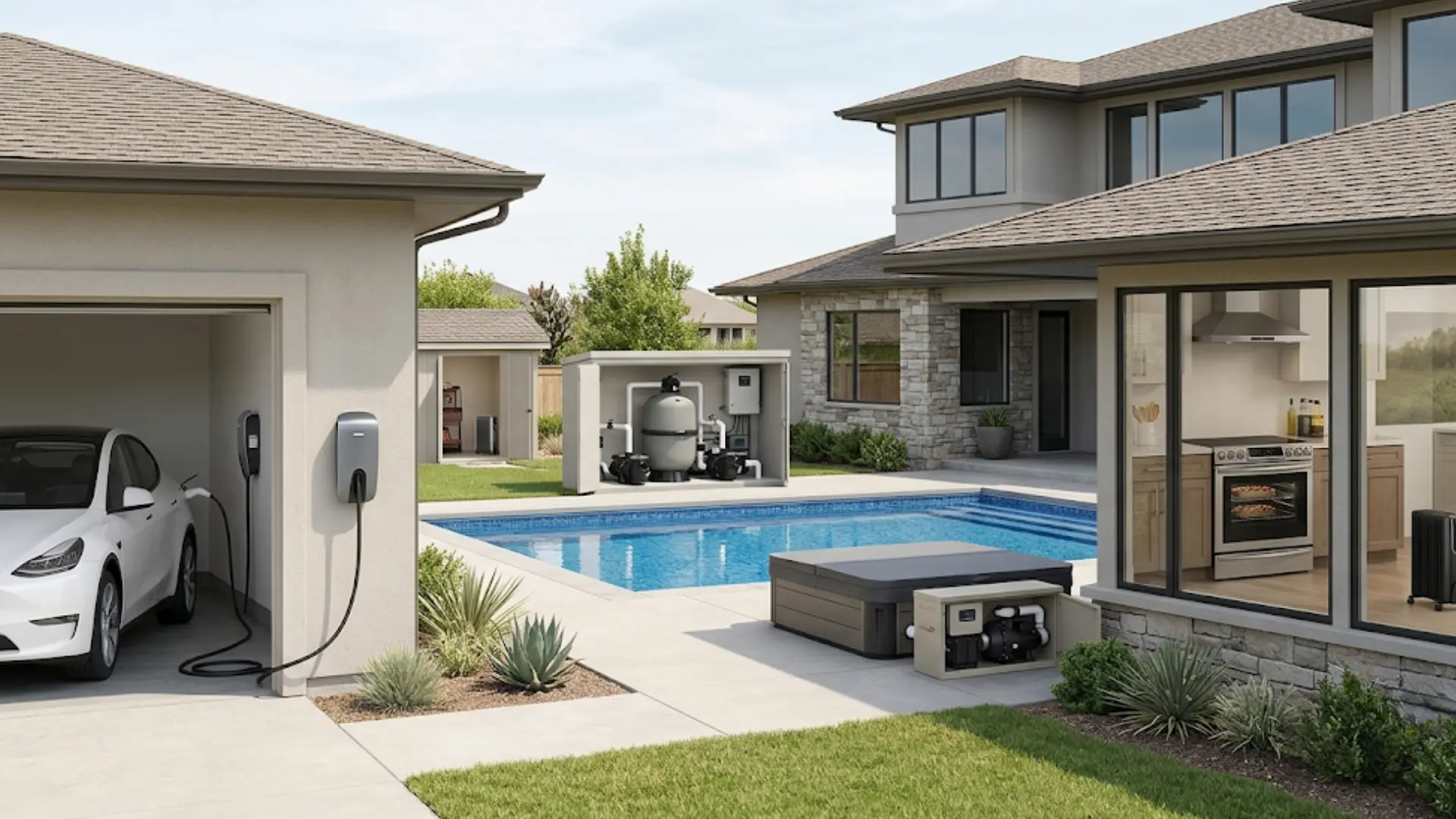
Level 2 EV chargers create one of the largest electricity demands in a home, often outpacing all other appliances combined during a charging session. Other high-power devices contribute significantly too, depending on how often they’re used:
- Pool pumps, which may run for several hours daily in warm climates
- Hot tubs, requiring continuous heating and filtration
- Space heaters draw high wattage for supplemental warmth
- Electric ovens, which use substantial energy during cooking
By comparison, everyday electronics like televisions use far less power, though it’s still worth knowing what it costs to run a TV if you’re leaving one on for hours each day. Ultimately, it’s the frequency and duration of use, not just wattage, that determines how much these appliances add to your monthly bill.
Why Do Some Appliances Use More Electricity Than Others?
Understanding electricity consumption starts with knowing the difference between watts and kilowatt-hours. Watts measure how much power an appliance draws at any given moment, while kilowatt-hours (kWh) measure total energy used over time.
A high-wattage appliance isn’t necessarily your biggest expense if it only runs briefly. Overall electricity consumption depends on four key factors:
- Power required while the appliance is actively operating
- Total hours the appliance runs each day or month
- How frequently the appliance is used
- The appliance’s overall energy efficiency
As covered above, this is exactly why a dryer’s high wattage doesn’t translate into a high bill, while a refrigerator’s modest wattage does. Because of these variables, rankings can also shift from home to home.
A household with an inefficient old freezer and a rarely used dryer may see very different priorities than one with a new EV charger running nightly.
How to Identify Which Appliances Use the Most Electricity and Increase Your Bills
Understanding appliance electricity usage helps you identify which devices increase your bills the most. The highest costs usually come from appliances that combine high energy demand with frequent or continuous operation.
Bills are based on total energy consumed in kilowatt-hours (kWh), not simply an appliance’s wattage. You can calculate this using a simple formula:
Watts × Hours Used ÷ 1,000 = Kilowatt-hours (kWh)
Actual costs also depend on: Appliance efficiency rating, Local electricity rates, Frequency of use, Maintenance condition, and Household habits
To find your home’s biggest energy users:
- Check the appliance label for wattage information
- Estimate daily and monthly operating hours
- Calculate approximate kWh consumption using the formula above
- Compare usage patterns against your electricity bill
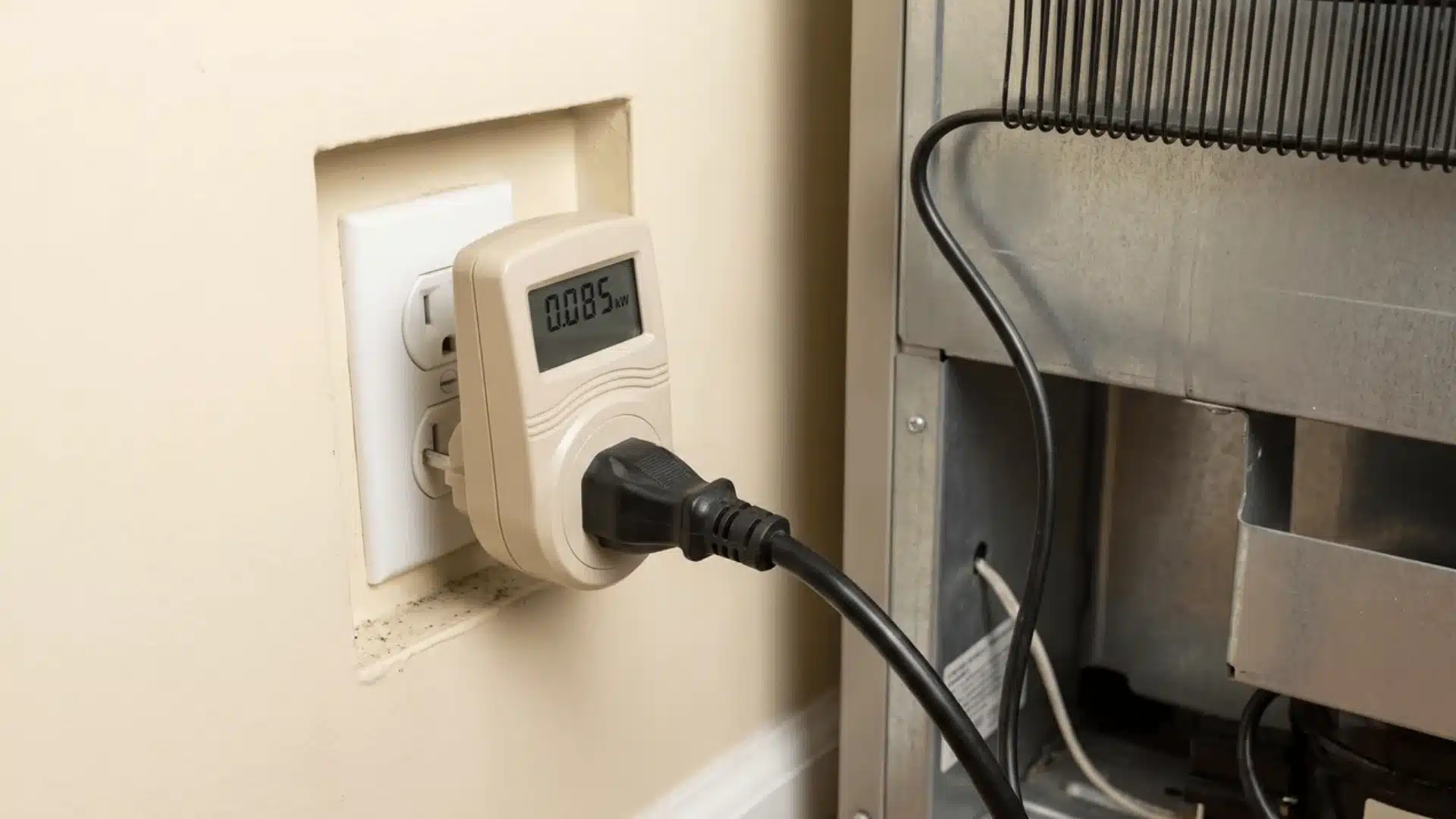
- Use smart plugs or whole-home energy monitors for accurate tracking
Smart plugs work well for measuring individual appliances and electronics, while whole-home energy monitoring systems provide a complete, real-time picture of overall household consumption.
How Can You Reduce Electricity Use From High-Energy Appliances?
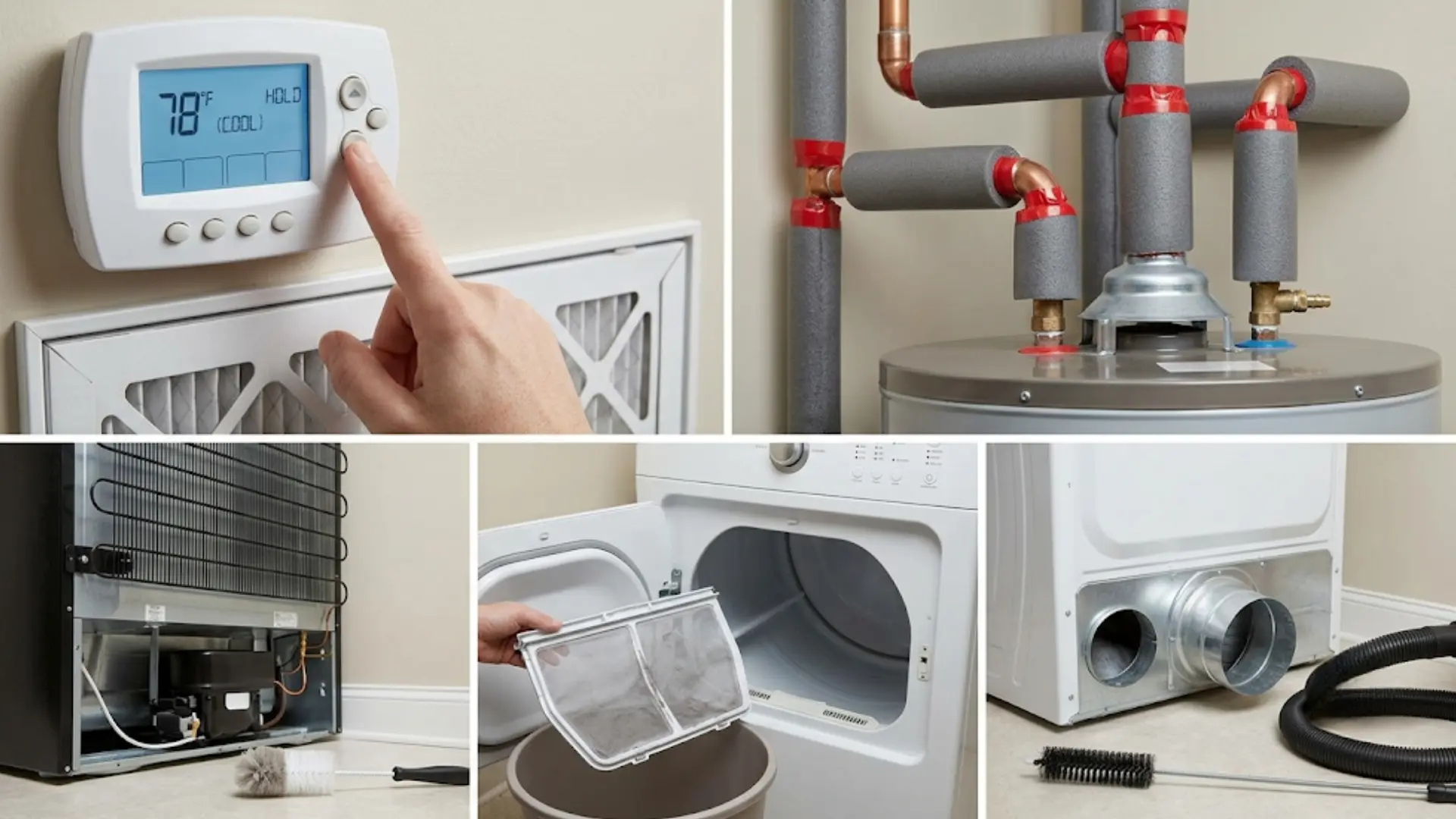
Small adjustments to your biggest energy consumers can meaningfully lower monthly billswithout requiring major renovations or replacements.
1. Reduce HVAC Electricity Usage
Adjusting your thermostat by even a few degrees can noticeably cut heating and cooling costs over time. Improving home insulation helps trap conditioned air inside, reducing how hard your system has to work. Simple steps include:
- Setting the thermostat a few degrees warmer in summer, cooler in winter
- Sealing gaps around windows and doors
- Replacing air filters every one to three months
- Installing a smart thermostat to automate efficient scheduling
Together, these steps reduce strain on your system and lower overall energy demand.
2. Lower Water Heater Energy Consumption
Water heaters often run hotter than necessary, wasting energy with every cycle. Lowering the thermostat to around 120°F reduces energy use without sacrificing comfort.
Insulating hot water pipes prevents heat loss as water travels to faucets, meaning the heater cycles less often. For long-term savings, consider upgrading to a more efficient system, such as a heat pump water heater.
3. Improve the Efficiency of Everyday Appliances
Routine upkeep and smarter habits go a long way toward reducing everyday electricity use. Cleaning refrigerator coils regularly helps the compressor run more efficiently, reducing the risk of it working overtime.
Running dryers with full loads, rather than small partial ones, maximizes each cycle’s energy use. Other helpful habits include:
- Choosing ENERGY STAR-rated appliances when replacing old ones
- Unplugging electronics or using power strips to avoid standby power drain
- Cleaning lint filters before every drying cycle
These small, consistent changes add up to noticeable savings across your entire home.
Do Appliances Use Electricity When They Are Turned Off?
Yes, many devices continue drawing small amounts of electricityeven when switched off, a phenomenon known as standby power or phantom load. This happens because certain components stay active to enable quick restarts, maintain clock settings, or listen for remote signals.
Common culprits include TVs that remain ready for instant-on, gaming consoles left in low-power standby, phone and laptop chargers left plugged in, and smart devices or speakers awaiting voice commands.
While standby power adds up across multiple devices, it’s typically minor compared to major appliances like HVAC systems or water heaters, which draw far more energy during active operation.
Still, unplugging unused electronics or using power strips can help trim this small but avoidable drain over time.
Putting It All Together
I used to think my bill was just bad luck, but it’s really about which appliances run the longest and hardest, not just which ones feel powerful.
Now that you know what appliances use the most electricity, a lot of it probably makes more sense.
Your HVAC and water heater account for the biggest share; your fridge adds up quietly through constant use, and dryers or EV chargers spike things in short bursts.
Small habits, like adjusting your thermostat or running full loads, genuinely add up over time. You don’t need a full home overhaul to see real savings, just a bit more awareness.
I’d try tracking one appliance this month and see what you find. If it helps, pass it along to someone else too.
Frequently Asked Questions
Does the size of my home affect how much electricity I use?
Yes. Larger homes generally require more energy for heating, cooling, and lighting simply because there’s more space to condition. A bigger house also tends to run larger HVAC systems and multiple appliances simultaneously, which increases overall consumption compared to smaller homes with similar habits.
Do older homes use more electricity than newer ones?
Often, yes. Older homes typically have less efficient insulation, older wiring, and outdated appliances, all of which contribute to higher electricity use. Newer homes are usually built to higher insulation standards and are more likely to include energy-efficient appliances, which can lower overall energy consumption.
Is it cheaper to run appliances at night instead of during the day?
It depends on your utility provider. Some electricity companies offer time-of-use rates, in which electricity costs less during off-peak hours, typically at night or early in the morning. If your provider offers this pricing structure, running major appliances like dryers or dishwashers during off-peak hours can lower your bill.
Can installing solar panels reduce the impact of high-electricity appliances?
Solar panels can offset a significant portion of electricity costs, especially for appliances that run during daylight hours when solar production is highest. However, appliances that run overnight, like water heaters or HVAC systems in extreme climates, may still rely on grid electricity unless paired with battery storage.
How do I know if my electric bill is unusually high compared to similar homes?
Many utility companies provide a comparison feature on monthly bills or on their online portals, showing your usage against that of similar-sized homes in your area. If your bill runs significantly higher without a clear reason, it may be worth checking for an aging appliance, a malfunctioning unit, or unusually high HVAC runtime.
Does the number of people living in a home significantly affect electricity use?
Yes. More occupants generally mean more frequent appliance use, longer HVAC runtimes to accommodate different comfort preferences, and increased hot water demand. A household of four will typically use noticeably more electricity than a single-person home, even with similar appliances.